How to Reverse Diabetes Naturally

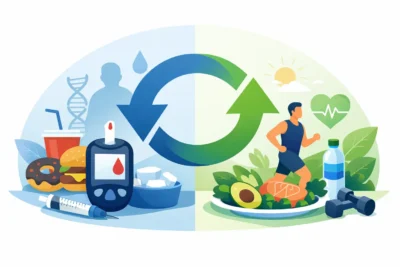
A high A1C does not always mean your future is fixed. For many adults with prediabetes or Type 2 diabetes, the real question is not whether change is possible, but how to reverse diabetes naturally in a way that works in real life. The encouraging news is that blood sugar can improve dramatically when you reduce the daily habits that drive insulin resistance and replace them with ones that help your body respond better to insulin.
The first thing to clear up is the word reverse. With Type 2 diabetes, reversal usually means bringing blood sugar back into a healthy or near-healthy range without needing as much medication, or sometimes without medication for a period of time. Many experts also use the word remission. That matters because it sets the right expectation. You are not erasing the condition forever. You are improving the underlying metabolic problem so strongly that your numbers return to normal or close to normal.
That is also why natural reversal is not about one miracle food, one supplement, or one 7-day detox. It is about lowering the pressure on your blood sugar system day after day.
What you\'ll find in this article?
- Can you really learn how to reverse diabetes naturally?
- The real target is insulin resistance
- How to reverse diabetes naturally with food
- Weight loss can change blood sugar fast
- Exercise helps even when the scale barely moves
- Sleep and stress are not side issues
- Natural supplements: helpful or overhyped?
- What to monitor if you want real results
- When natural reversal is harder
- A practical way to start this week
Can you really learn how to reverse diabetes naturally?
For many people, yes - especially if they have prediabetes, newly diagnosed Type 2 diabetes, or Type 2 diabetes tied closely to excess weight, inactivity, poor sleep, and a high intake of refined carbs. The body often responds surprisingly fast when those drivers are removed.
Still, results depend on several things. How long you have had diabetes matters. How much insulin your pancreas still makes matters. Your starting weight, medication use, age, stress level, and consistency all play a role. Someone with prediabetes may see major improvement within weeks. Someone with long-standing Type 2 diabetes may need more time and may still require medication support.

If you use insulin or blood sugar-lowering drugs, natural changes can lower glucose quickly. That is a good thing, but it also means you need medical supervision to avoid blood sugar dropping too low.
The real target is insulin resistance
Most practical advice about Type 2 diabetes makes more sense once you understand insulin resistance. Your body makes insulin to move sugar from the bloodstream into cells. When cells become less responsive to insulin, the pancreas has to work harder and produce more of it. Over time, blood sugar rises because the system is under strain.
Natural reversal focuses on reducing that resistance. In plain terms, you want your body to stop being overwhelmed by constant glucose spikes, excess calories, and stored fat around the liver and abdomen. When that pressure comes down, blood sugar often follows.
How to reverse diabetes naturally with food
Food is usually the biggest lever because it affects blood sugar several times a day. The goal is not to eat perfectly. The goal is to eat in a way that gives your body fewer reasons to spike glucose and store more fat.
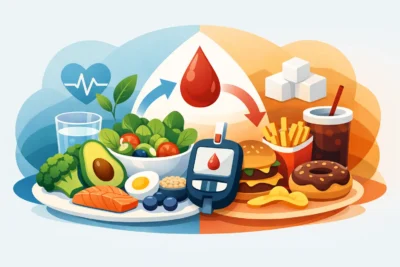
Start by cutting back hard on sugary drinks, desserts, white bread, chips, fries, and oversized portions of rice, pasta, and packaged snack foods. These foods digest quickly and can push blood sugar up fast. Replacing them with higher-protein, higher-fiber meals often helps within days.

A simple plate works well for many people. Build meals around non-starchy vegetables, a solid source of protein, and healthy fats, then keep starches modest and intentional. Chicken, fish, eggs, Greek yogurt, tofu, beans, nuts, avocado, olive oil, salads, broccoli, cauliflower, green beans, and berries tend to fit well into this pattern.
That does not mean everyone needs the exact same carb level. Some people do well on a lower-carb approach because it brings down post-meal spikes quickly. Others prefer a balanced whole-food plan with controlled portions of higher-fiber carbs like beans, oats, quinoa, sweet potatoes, and fruit. The best plan is the one that lowers your numbers and that you can keep doing next month.
Timing matters too. Many people see better fasting glucose when they stop late-night snacking and give their body a longer overnight break from food. You do not need extreme fasting to benefit. Simply finishing dinner earlier and avoiding mindless evening eating can help.
Weight loss can change blood sugar fast
If you carry extra weight, especially around the midsection, even a modest weight loss can improve insulin sensitivity. You do not need to lose 50 pounds before anything changes. For many adults, losing 5 to 10 percent of body weight can lead to meaningful improvement in fasting blood sugar, A1C, and energy.
This is one reason natural strategies work. They do not just lower sugar in the moment. They can reduce the metabolic burden that caused the problem in the first place.
Rapid weight loss is not required, and for some people it backfires. Slower, steady progress is often easier to sustain. If your current routine leaves you constantly hungry, the plan probably needs adjustment.
Exercise helps even when the scale barely moves
Movement gives your body another path for using glucose. Muscles can pull sugar from the blood during and after activity, which is why exercise is one of the fastest natural tools for improving insulin sensitivity.
Walking after meals is especially effective. A 10 to 20 minute walk after lunch or dinner can reduce the blood sugar rise that follows eating. That is practical, free, and easier to stick with than an all-or-nothing workout plan.
Strength training matters too because muscle tissue improves glucose handling. You do not need a gym membership to start. Bodyweight exercises, resistance bands, light dumbbells, or chair squats done consistently can make a real difference.
The sweet spot for most people is a mix of daily walking and two or three strength sessions a week. If you have not exercised in a while, start small. Consistency beats intensity.
Sleep and stress are not side issues
Plenty of people clean up their diet and still wonder why their glucose is stubborn. Two common reasons are poor sleep and chronic stress.
When you are sleep-deprived, your body becomes more insulin resistant. Hunger hormones also shift, which makes cravings worse and portion control harder. Aim for a regular sleep schedule and enough sleep to wake up feeling functional, not depleted.
Stress pushes up hormones like cortisol, which can raise blood sugar. That does not mean stress causes diabetes by itself, but it absolutely makes management harder. A daily routine that includes walking, deep breathing, stretching, prayer, journaling, or quiet time can help lower the constant stress load that keeps your body on edge.
Natural supplements: helpful or overhyped?
This is where many people get pulled off track. Some supplements may support blood sugar control, but none can replace the basics of food, movement, weight loss, sleep, and stress management.
Common options people explore include magnesium, berberine, alpha-lipoic acid, chromium, cinnamon, and fiber supplements. Some have modest evidence in certain cases. But effects vary, quality differs, and interactions with medications are possible. A supplement can be supportive. It should not be the foundation.
If you try one, do it with a clear purpose and track your response. Randomly stacking multiple pills usually creates more confusion than progress.
What to monitor if you want real results
If you want to know whether your plan is working, you need feedback. Blood sugar improvement feels good, but numbers tell the real story.
Track fasting blood sugar, your readings one to two hours after meals if you test at home, body weight or waist size, energy levels, and your A1C over time. Keep your meals simple enough that you can notice patterns. If your glucose jumps every time you eat a certain breakfast or snack, that is useful information.
This process helps you personalize your plan. One person may tolerate oatmeal well. Another may spike from the same bowl. General advice gets you started. Your meter helps fine-tune.
When natural reversal is harder
There are cases where progress is slower or partial. If you have had Type 2 diabetes for many years, if your pancreas is producing much less insulin, or if you also have major hormonal or medication-related issues, natural methods may improve control without leading to full remission.
That is still meaningful. Lowering A1C, reducing medication needs, losing abdominal fat, and stabilizing daily blood sugar are all major wins. Better numbers lower the risk of nerve damage, kidney problems, eye disease, and cardiovascular trouble.
And one important reminder: Type 1 diabetes cannot be reversed naturally. It requires insulin because the body no longer makes it.
A practical way to start this week
If all of this feels overwhelming, do not try to overhaul everything by tomorrow. Pick the habits with the biggest return. Build meals around protein and vegetables, cut sugary drinks, walk after dinner, stop eating late at night, and protect your sleep. Those five moves can shift blood sugar faster than most people expect.
At Diabetes Cure Now, the goal is simple: make blood sugar improvement feel possible, not confusing. You do not need a perfect body or a perfect week. You need repeatable habits that reduce insulin resistance and give your body a chance to recover.
Your next meal, your next walk, and your next night of sleep all count. That is the good news. Change does not start someday. It starts the next time you choose a direction that helps your body heal.