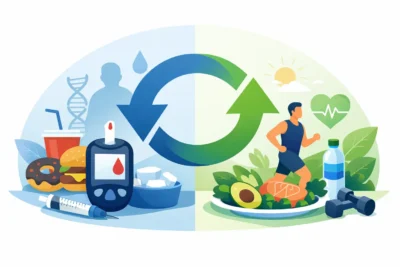
What Dietary Changes Can Help Reverse Diabetes?

A lot of people get told to just "eat better" after a Type 2 diabetes or prediabetes diagnosis. That advice is vague, frustrating, and not very useful when your blood sugar is already swinging and you want real results. If you are asking what dietary changes can help reverse diabetes, the short answer is this: the most effective changes are the ones that lower blood sugar spikes, reduce insulin resistance, and help you lose excess body fat in a way you can actually maintain.
That does not mean there is one magic food or one perfect diabetes diet. It means your meals need to start working for you instead of against you. For many people, that requires eating fewer refined carbs, cutting back on sugar, choosing more protein and fiber, and building meals that keep blood sugar steadier throughout the day.
What you\'ll find in this article?
- What dietary changes can help reverse diabetes?
- Cut the foods that raise blood sugar fastest
- Build meals around protein, fiber, and fullness
- Lower your carb load without making your diet miserable
- Choose carbs that come with fiber
- Eat in a way that supports weight loss if needed
- Stop treating breakfast like dessert
- Watch your eating pattern, not just your ingredients
- What dietary changes can help reverse diabetes long term?
What dietary changes can help reverse diabetes?
For Type 2 diabetes, reversal usually means blood sugar returns to a non-diabetic range without the need for diabetes medication, or with less medication, for an extended period. Not everyone will reach full remission, and some people will improve more than others. But many adults can dramatically improve blood sugar control through food choices, especially when those changes also lead to weight loss and better insulin sensitivity.
The biggest shift is moving away from foods that flood the bloodstream with glucose quickly. Sugary drinks, desserts, white bread, chips, sweet cereals, and oversized pasta or rice portions are common trouble spots. These foods are easy to overeat, low in fiber, and often keep insulin levels high.
In their place, the most helpful foods tend to be non-starchy vegetables, lean proteins, healthy fats, beans, eggs, plain Greek yogurt, nuts, seeds, and smaller portions of higher-fiber carbohydrates. This approach is not about starving yourself. It is about changing the blood sugar impact of your meals.

Cut the foods that raise blood sugar fastest
If you want the fastest dietary win, start with liquid sugar and highly processed carbs. Soda, sweet tea, energy drinks, fruit punch, specialty coffee drinks, and even large servings of juice can send blood sugar up quickly. These calories also do very little to keep you full.
Refined starches have a similar effect. White bread, crackers, packaged snack foods, pastries, and many breakfast cereals digest fast and often leave you hungry again soon after eating. Swapping these out can make a bigger difference than obsessing over minor details.
That does not mean every carb is off-limits forever. It means the form, amount, and context matter. A small serving of berries with yogurt is very different from a blueberry muffin and a sweet latte. A half cup of beans with grilled chicken and vegetables is not the same as a large plate of white rice.
Build meals around protein, fiber, and fullness
One of the smartest dietary changes for blood sugar is learning how to build a balanced plate. Meals that center on protein and fiber are usually easier on glucose levels and more satisfying, which can also help with weight control.
Protein slows digestion and helps preserve muscle while you lose weight. Good options include fish, chicken, turkey, eggs, cottage cheese, Greek yogurt, tofu, and lean beef in sensible portions. Fiber helps blunt blood sugar spikes and supports appetite control. Non-starchy vegetables, beans, lentils, chia seeds, flaxseeds, and berries are especially useful.

Healthy fats also have a place here. Avocado, olive oil, nuts, seeds, and fatty fish can help make meals more satisfying. The trade-off is that fats are calorie-dense, so portion awareness still matters if weight loss is a goal.
A simple meal pattern often works best: protein first, vegetables next, then a moderate portion of carbohydrates if your body tolerates them well. That one shift can help many people feel more in control after meals.
Lower your carb load without making your diet miserable
For many people with Type 2 diabetes, lowering total carbohydrate intake is one of the most effective strategies. That can mean a lower-carb plan, a moderately carb-conscious plan, or simply a smarter-carb plan. The right level depends on your blood sugar response, medications, activity level, and what you can sustain.
Some people do well keeping starches to small portions at one or two meals a day. Others get better results with a more structured low-carb approach. There is no prize for suffering through a plan you hate. The best eating style is the one that improves your numbers and still fits your real life.
Start by reducing the obvious carb excess. Skip the bread basket. Replace fries with vegetables. Use lettuce wraps, cauliflower rice, or smaller portions of potatoes, pasta, or rice. Choose berries instead of large servings of tropical fruit or dried fruit. These changes can lower your daily glucose burden without making you feel deprived.
Choose carbs that come with fiber
When you do eat carbohydrates, quality matters. Fiber slows the rise in blood sugar and often improves satiety. That is why whole-food carbs usually work better than processed ones.
Beans, lentils, steel-cut oats, quinoa, berries, apples, and non-starchy vegetables are generally better choices than white bread, sugary cereal, cookies, or snack cakes. Even then, portion size still counts. A healthy carb can still raise blood sugar if the serving is too large for your current insulin sensitivity.
This is where blood sugar testing can be eye-opening. Two people can eat the same meal and get different readings. If you monitor your glucose, you can learn which foods and portion sizes your body handles well and which ones keep pushing you out of range.
Eat in a way that supports weight loss if needed
For many adults, excess weight is a major driver of insulin resistance. That is why weight loss can be one of the strongest predictors of Type 2 diabetes improvement or remission. Dietary changes that help reverse diabetes often work in part because they reduce calorie intake naturally while keeping blood sugar more stable.
This does not require crash dieting. In fact, extreme plans often backfire. A better strategy is to create meals that are filling enough to reduce constant snacking and cravings. Protein-rich breakfasts, fewer ultra-processed foods, and better portion control at dinner can make a real difference over time.
If you need to lose weight, watch the foods that are easy to overconsume even when they seem healthy. Nut butters, trail mix, smoothies, granola, restaurant salads loaded with sugary dressing, and large handfuls of nuts can add up fast. Healthier choices still need structure.
Stop treating breakfast like dessert
A surprisingly common blood sugar trap is the standard American breakfast. Toast, cereal, pancakes, muffins, flavored oatmeal, and juice can create a heavy carb load before the day has even started.
A better breakfast usually includes protein and fewer refined carbs. Eggs with vegetables, plain Greek yogurt with berries and chia seeds, cottage cheese with cinnamon, or a protein-focused smoothie without added sugar are better bets for many people. If you notice you are hungrier and sleepier after a high-carb breakfast, your body may be telling you something.
Watch your eating pattern, not just your ingredients
Food quality matters, but timing and habits matter too. Constant grazing can keep blood sugar and insulin elevated throughout the day. Many people do better when they eat defined meals instead of snacking from morning to night.
Late-night eating can also be a problem, especially when it involves chips, sweets, or takeout. If your biggest carb load happens when you are tired and least disciplined, that is worth changing. Sometimes diabetes progress starts with one simple rule: the kitchen closes after dinner.
That said, there is no universal eating schedule. Some people benefit from an earlier dinner or a longer overnight fasting window. Others need regular meals to avoid overeating later. It depends on your medication use, daily routine, and how your blood sugar responds.
What dietary changes can help reverse diabetes long term?
The long-term answer is not a short detox or a two-week reset. It is a repeatable way of eating that keeps blood sugar lower most days. That usually means less sugar, fewer refined carbs, more whole foods, enough protein, more vegetables, and better portion control.
It also means being honest about your patterns. Restaurant meals, weekend indulgence, emotional eating, and "healthy" processed snacks can quietly stall progress. You do not need perfection, but you do need consistency. Blood sugar improves when your habits improve often enough to let your metabolism recover.
If you take diabetes medication, especially insulin or drugs that can lower blood sugar, dietary changes should be made carefully and with medical guidance. As your diet improves, your medication needs may change. That is a good problem to have, but it still needs supervision.
The encouraging part is this: your next meal matters. You do not need to wait for Monday, next month, or some dramatic life reset. Start with the food swaps that lower sugar, steady hunger, and help your body become more insulin-sensitive again. Small changes done consistently can create the kind of momentum that turns fear into real progress.