
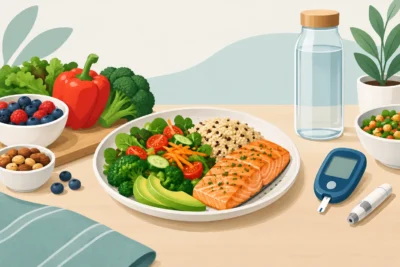
Best Diabetes Program Online: What to Look For


Typing best diabetes program online into a search bar usually happens at a stressful moment. Maybe your A1C just came back high. Maybe your doctor mentioned prediabetes and told you to lose weight. Or maybe you are tired of blood sugar swings and want a plan that feels clear, practical, and possible. The right online program can help, but only if it is built around real behavior change instead of hype.
A lot of diabetes programs promise fast results. Some focus on one food rule, one supplement, or one secret method. That is where people get stuck. Type 2 diabetes and prediabetes usually improve when several things work together - smarter food choices, steady movement, better sleep, weight loss when needed, and consistent tracking. A good online program should make those pieces easier to follow in daily life.
What you\'ll find in this article?
- What makes the best diabetes program online?
- Look for lifestyle guidance, not quick fixes
- The best online diabetes programs include tracking that teaches you something
- Coaching and support can make a real difference
- Watch out for red flags
- How to compare your options without getting overwhelmed
- Can an online program really help reverse Type 2 diabetes?
- Who benefits most from the best diabetes program online?
- The right program should make you feel capable
What makes the best diabetes program online?
The best diabetes program online is not always the most expensive, the most popular, or the one with the boldest claims. It is the one that helps you lower blood sugar in a way you can actually sustain.
That means the program should give you a clear system, not just information. Education matters, but information alone does not change fasting glucose. People need structure. They need meal guidance that makes sense at the grocery store, simple exercise recommendations they can do at home, and support that keeps them moving when motivation drops.
A strong program should also respect the fact that not everyone starts in the same place. Someone with newly diagnosed prediabetes has different needs than someone who has dealt with Type 2 diabetes for ten years, takes medication, and struggles with weight and energy. If a program acts like one plan works for every person, that is a red flag.

Look for lifestyle guidance, not quick fixes
If your goal is better blood sugar control, the foundation still comes back to daily habits. The best programs usually teach you how to eat in a way that reduces blood sugar spikes, improves insulin sensitivity, and supports healthy weight loss if that is part of the picture.
That does not always mean the same exact eating style for everyone. Some people do well with lower-carb meal plans. Others need a more moderate approach they can maintain long term. What matters is whether the program explains why foods affect blood sugar, helps you build balanced meals, and gives you realistic options for breakfast, lunch, dinner, snacks, and eating out.
Exercise guidance matters too, but it should be practical. A program that expects you to train like an athlete is not realistic for most adults with busy schedules, joint pain, or low energy. Better programs usually focus on walking, resistance training, consistency, and small daily movement habits that improve glucose use.
Sleep, stress, and routine should not be ignored either. Many people are doing reasonably well with food, yet still see stubborn readings because of poor sleep, chronic stress, or inconsistent habits. A serious diabetes program should address that.
The best online diabetes programs include tracking that teaches you something
Tracking can either feel empowering or exhausting. The difference is how it is used.

A worthwhile program helps you connect your habits to your numbers. That might include blood sugar logs, meal tracking, weight trends, waist measurements, habit check-ins, or progress markers like energy and cravings. The point is not to become obsessed. The point is to notice patterns.
For example, you may learn that your morning blood sugar rises after poor sleep, that certain "healthy" snacks spike you more than expected, or that a 15-minute walk after dinner improves your evening readings. Those lessons are valuable because they turn diabetes management into something personal and actionable.
If a program gives you pages of tracking sheets but never shows you how to use the data, it is not helping enough.
Coaching and support can make a real difference
One of the biggest advantages of an online program is support. Trying to improve diabetes on your own can feel overwhelming, especially when the internet is full of conflicting advice.
Some people do fine with a self-paced course if the lessons are clear and organized. Others need coaching, group support, or accountability check-ins. Neither option is automatically better. It depends on your personality, your budget, and how much guidance you need to stay consistent.
If you know you start strong and then fall off after two weeks, support may be worth paying for. If you are highly self-motivated and mostly want a structured plan, a simpler program may be enough. The important thing is honesty. Choose the format that matches your habits, not the one that sounds impressive.
Watch out for red flags
Not every diabetes program deserves your trust. Some are built more for marketing than results.
Be cautious if a program promises you can reverse diabetes fast without changing how you eat or live. Be skeptical if it relies heavily on one pill, powder, or proprietary formula. Also pay attention when a program avoids specifics. If it never explains the actual food plan, exercise expectations, or level of support before you buy, that is a problem.
Another warning sign is language that creates false certainty. Blood sugar improvement is possible for many people, and some people can achieve remission of Type 2 diabetes through major lifestyle change. But results depend on factors like insulin resistance, weight, consistency, medications, sleep, age, and how long diabetes has been present. Honest programs talk about improvement with confidence while still admitting that progress is individual.
How to compare your options without getting overwhelmed
If you are trying to choose between several programs, slow down and compare them on a few practical points.
First, look at the food strategy. Does it teach you how to build meals you can live with, or does it depend on extreme restriction? Second, check whether movement is simple and realistic. Third, find out how much support you actually get. Fourth, see whether the program helps you measure progress beyond a vague promise.
You should also think about your own obstacles. If your biggest issue is emotional eating at night, a meal chart alone may not be enough. If your problem is confusion about carbs, then strong nutrition education may matter more than coaching. If cost is a concern, remember that the cheapest option is not the best value if it leaves you confused and unmotivated.
Can an online program really help reverse Type 2 diabetes?
For some people, yes - but the word reverse needs to be used carefully. Many adults with Type 2 diabetes can significantly improve blood sugar, reduce A1C, lose weight, and in some cases reach remission levels through sustained lifestyle changes. Online programs can help if they create structure and make those changes easier to follow.
Still, no program can replace medical supervision, especially if you take insulin or blood sugar-lowering medication. As your habits improve, your blood sugar may drop, and medication needs can change. That is a good reason to stay in touch with your healthcare provider while using any online plan.
This is where a natural-first approach can be helpful. Food quality, weight loss, muscle-building activity, sleep, and stress control are not small side topics. They are often the main drivers of better metabolic health. That is why readers who follow practical education from sites like Diabetes Cure Now are often looking for programs that support these basics instead of distracting from them.
Who benefits most from the best diabetes program online?
Online programs tend to work best for people who want guidance they can use at home, on their own schedule. They can be especially useful for adults with prediabetes, newly diagnosed Type 2 diabetes, or long-term blood sugar issues who need a simpler framework.
They are also a good fit for people who feel stuck. Maybe you already know sugar is a problem, but you do not know what to eat for breakfast. Maybe you know exercise helps, but you need a plan that works with sore knees or a busy job. A good program closes that gap between knowing and doing.
That said, if you have major complications, complex medication issues, or other serious health conditions, an online program should be one part of your support system, not the whole thing.
The right program should make you feel capable
The best diabetes program online should not leave you feeling confused, dependent, or guilty. It should make you feel more in control of your numbers and more confident in your daily choices.
That usually means clear lessons, simple meal guidance, reasonable exercise goals, honest expectations, and support that fits your life. If a program helps you understand your blood sugar, stay consistent, and build habits you can repeat next month and next year, that is a strong sign you are looking at something worthwhile.
You do not need a perfect plan. You need one you will actually follow long enough to see your body respond, because steady action is still the thing that changes the story.
Important notice: The content of Diabetes Cure Now is solely educational and informational and does not replace the evaluation, diagnosis, or treatment of a doctor or health professional. Before making changes to your diet, exercise, or medication, consult with a qualified professional..
Content reviewed for educational purposes and based on public medical sources.
Sources consulted
- American Diabetes Association (ADA)
- Mayo Clinic
- CDC
- NIH
12 Diabetic Recipes That Keep Meals Balanced
Diabetic Kidney Health Guide for Daily Protection
How to Start Walking With Diabetes Safely
10 Healthy Soups for Diabetics That Satisfy
Do Chia Seeds for Blood Sugar Really Help?

How to Reduce Dawn Phenomenon Naturally
Is Fruit Safe for Diabetes? What to Know
How to Walk After Meals for Better Blood Sugar