
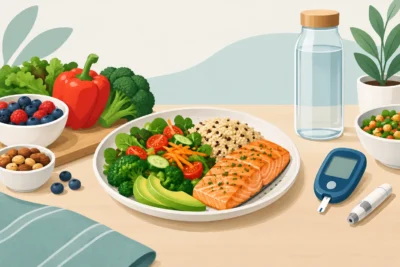
12 Low Glycemic Snack Swaps That Work


That 3 p.m. crash is where good intentions usually fall apart. You start the day strong, then hunger hits, energy drops, and suddenly the crackers, granola bars, or vending machine snacks look like the fastest fix. This is exactly where low glycemic snack swaps can make a real difference. The right swap helps steady blood sugar, reduces rebound hunger, and makes it easier to stay consistent without feeling like you are on a strict diet.
For people with prediabetes, Type 2 diabetes, or insulin resistance, snacks are not a small detail. They can either support stable glucose or quietly push it in the wrong direction several times a day. A low glycemic approach does not mean every snack has to be perfect. It means choosing foods that digest more slowly, especially those with fiber, protein, and healthy fat, instead of fast-burning carbs that spike blood sugar and leave you hungry again soon after.
What you\'ll find in this article?
- Why low glycemic snack swaps matter
-
12 low glycemic snack swaps to try
- 1. Swap crackers for cucumber slices and hummus
- 2. Swap fruit juice for whole berries
- 3. Swap granola bars for nuts and a few apple slices
- 4. Swap flavored yogurt for plain Greek yogurt with cinnamon
- 5. Swap chips for roasted chickpeas
- 6. Swap toast or bagels for hard-boiled eggs
- 7. Swap ice cream for chia pudding
- 8. Swap pretzels for cheese and cherry tomatoes
- 9. Swap breakfast cereal for cottage cheese and seeds
- 10. Swap trail mix with candy for a DIY version
- 11. Swap rice cakes for celery with peanut butter
- 12. Swap pastries for turkey roll-ups
- How to build better low glycemic snacks
- Common mistakes with low glycemic snack swaps
- When a swap may need adjusting
Why low glycemic snack swaps matter
Many popular snack foods are built around refined starch and added sugar. Pretzels, chips, sweet yogurt, flavored oatmeal cups, cereal bars, and even some so-called healthy crackers can raise blood sugar quickly because they are easy to digest and low in fiber or protein. That quick rise is often followed by a drop in energy and cravings.
Low glycemic snack swaps work because they change the structure of the snack, not just the calorie count. When you replace a processed carb-heavy option with something that includes protein, fat, or fiber, your body breaks it down more gradually. That can help with appetite control, fewer cravings, and more stable energy between meals.
There is one important reality check here. Glycemic response is not identical for everyone. Portion size matters, food combinations matter, and your own metabolism matters too. A snack that works well for one person may still need adjusting for someone else. That is why practical swaps beat rigid food rules.

12 low glycemic snack swaps to try
1. Swap crackers for cucumber slices and hummus
Crackers seem harmless, but many are basically refined flour in a crunchy form. Cucumber slices with hummus give you crunch, fiber, and fat with fewer fast-digesting carbs. If cucumber feels too light, bell pepper strips or celery can do the same job with a little more bite.
2. Swap fruit juice for whole berries
Juice removes most of the fiber that slows sugar absorption. Berries, especially strawberries, raspberries, and blueberries, are one of the better fruit choices for blood sugar support because they give you sweetness with less sugar per serving and more fiber. Pair them with a few nuts if you want the snack to last longer.
3. Swap granola bars for nuts and a few apple slices
Most granola bars are closer to candy bars than health food. A small handful of almonds, walnuts, or pistachios with a few apple slices is usually a better option. You still get something sweet and satisfying, but the fat and fiber help slow the effect on blood sugar.
4. Swap flavored yogurt for plain Greek yogurt with cinnamon
Flavored yogurt often packs more sugar than people expect. Plain Greek yogurt gives you protein without the sugar load, and cinnamon adds flavor without extra carbs. If you need more sweetness, a few berries are usually a smarter add-in than honey or flavored syrups.
5. Swap chips for roasted chickpeas
Chips are easy to overeat because they combine starch, salt, and very little staying power. Roasted chickpeas bring crunch, fiber, and plant protein. The trade-off is that portion size still matters. They are better than chips, but they are not a free food.

6. Swap toast or bagels for hard-boiled eggs
When hunger hits, bread-based snacks can feel filling at first but wear off quickly. Hard-boiled eggs are simple, portable, and high in protein. If plain eggs feel boring, add a little salt, pepper, or paprika. This is one of the easiest swaps for people trying to avoid a blood sugar roller coaster during a busy day.
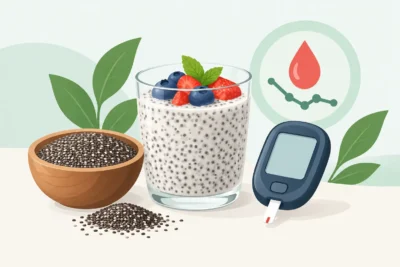
7. Swap ice cream for chia pudding
Ice cream tends to combine sugar and saturated fat in a way that makes it hard to stop at a small serving. Chia pudding made with unsweetened milk gives you a creamy texture with fiber and a slower blood sugar impact. It is not the same as ice cream, and that matters. But if what you want is something cold, thick, and dessert-like, it can absolutely help.
8. Swap pretzels for cheese and cherry tomatoes
Pretzels are one of the least satisfying snacks for blood sugar control because they are mostly refined starch with very little fiber or protein. Cheese and cherry tomatoes give you protein, fat, and volume. This swap works especially well if salty snacks are your weakness.
9. Swap breakfast cereal for cottage cheese and seeds
Dry cereal is easy to snack on, but most cereals break down quickly and do not keep you full. Cottage cheese with pumpkin seeds or sunflower seeds gives you a more balanced snack with protein and fat. If you prefer a little sweetness, add a few sliced strawberries instead of reaching for sweetened cereal.
10. Swap trail mix with candy for a DIY version
Store-bought trail mix often includes chocolate pieces, sweetened dried fruit, and yogurt-covered extras that push the sugar count up fast. Making your own lets you control what goes in. A mix of nuts, seeds, and a small amount of unsweetened coconut or a few dark chocolate chips is usually a better fit.
11. Swap rice cakes for celery with peanut butter
Rice cakes are light, but they are also fast-digesting and not very filling on their own. Celery with peanut butter gives crunch and satisfaction without the same quick blood sugar effect. Just watch the peanut butter label. Added sugar turns a good snack into a less helpful one.
12. Swap pastries for turkey roll-ups
Muffins, danishes, and sweet rolls can send blood sugar soaring, even when they look small. Turkey roll-ups with avocado or cheese are a more stable option when you need something substantial. This is one of the best low glycemic snack swaps for people who snack because they are truly hungry, not just craving something sweet.
How to build better low glycemic snacks
If you do not want to memorize a long food list, use a simple formula. Start with protein or fiber, then add flavor and texture. For example, pair nuts with fruit, yogurt with seeds, vegetables with hummus, or eggs with sliced veggies. That basic structure makes it much easier to avoid snacks that spike glucose and leave you searching for more food an hour later.
It also helps to stop thinking of snacks as treats that need to be earned. For many people, a planned snack can prevent overeating later and support more stable blood sugar through the day. The key is choosing a snack with a purpose, not just eating whatever is convenient.
Common mistakes with low glycemic snack swaps
One common mistake is trusting health packaging too much. Words like natural, whole grain, protein, or gluten-free do not automatically mean blood sugar friendly. A protein bar with 18 grams of sugar is still a sugary snack.
Another mistake is focusing only on sugar grams while ignoring total carbs and ingredients. Some foods are not sweet at all but still spike blood sugar because they are made from refined starches. Crackers, puffed snacks, and white flour products often fall into that category.
A third issue is portion creep. Nuts, cheese, hummus, and peanut butter can all be smart choices, but large servings add up quickly. That does not mean you should avoid them. It means they work best when you eat them intentionally instead of straight from the package.
When a swap may need adjusting
There are days when even a smart snack does not seem to help much. That can happen if you are already stressed, sleep-deprived, inactive, or eating the snack alongside other high-carb foods. Blood sugar control is rarely about one item alone.
This is where testing your response can be useful if you monitor glucose at home. You may find that Greek yogurt works well for you, but apples need a smaller portion. Or berries may be fine alone, while chickpeas work better earlier in the day. Those details can help you personalize your choices instead of guessing.
At Diabetes Cure Now, the goal is not perfection. It is helping you make repeatable changes that move your numbers and your energy in the right direction.
The best snack swap is the one you will actually keep using. Start with one or two easy replacements this week, notice how you feel after eating them, and let that momentum build. Small food decisions made consistently can create the kind of blood sugar progress that feels real, steady, and worth sticking with.
Important notice: The content of Diabetes Cure Now is solely educational and informational and does not replace the evaluation, diagnosis, or treatment of a doctor or health professional. Before making changes to your diet, exercise, or medication, consult with a qualified professional..
Content reviewed for educational purposes and based on public medical sources.
Sources consulted
- American Diabetes Association (ADA)
- Mayo Clinic
- CDC
- NIH
12 Diabetic Recipes That Keep Meals Balanced
Diabetic Kidney Health Guide for Daily Protection
How to Start Walking With Diabetes Safely
10 Healthy Soups for Diabetics That Satisfy
Do Chia Seeds for Blood Sugar Really Help?

How to Reduce Dawn Phenomenon Naturally
Is Fruit Safe for Diabetes? What to Know
How to Walk After Meals for Better Blood Sugar