
Can You Reverse Prediabetes in 3 Months?


If your lab work just came back with prediabetes, waiting six months to "see what happens" is usually the wrong move. Many people can reverse prediabetes in 3 months, or at least make major progress, because blood sugar responds faster than most people realize when daily habits change in the right direction.
That does not mean a crash diet, punishing workouts, or chasing miracle supplements. It means lowering the strain on your metabolism quickly and consistently enough for your fasting glucose, A1C, and insulin response to improve. For some people, three months is enough to move out of the prediabetes range. For others, it is the start of a longer turnaround. Either way, three months is long enough to change your trajectory.
What you\'ll find in this article?
Can you really reverse prediabetes in 3 months?
In many cases, yes. Prediabetes is not the same as permanent diabetes damage. It is a warning sign that your body is struggling with blood sugar control, often because of insulin resistance, extra body fat around the waist, low activity, poor sleep, chronic stress, or a diet built around refined carbs and ultra-processed foods.
Three months matters for a simple reason: A1C reflects your average blood sugar over roughly the past 2 to 3 months. That means the actions you take starting now can show up in your next lab test. If you lose some weight, improve meal quality, walk more, and stop sending your blood sugar on a roller coaster every day, your numbers can improve sooner than you think.
Still, results vary. If your A1C is barely in the prediabetes range, you may normalize it quickly. If your numbers are higher, you have significant insulin resistance, or you have been living with metabolic issues for years, the same three months may bring strong improvement without full reversal yet. That still counts as real progress.

What reversal actually means
When people say they want to reverse prediabetes in 3 months, they usually mean bringing blood sugar markers back below the prediabetes range without letting the problem continue to progress.
That often includes improved fasting glucose, a lower A1C, better post-meal blood sugar control, and reduced insulin resistance. It is not a free pass to go back to the habits that caused the problem. Prediabetes improves when your lifestyle supports better insulin sensitivity. If old habits return, high blood sugar often returns too.
So the goal is not a temporary fix. The goal is to create a pattern your body can keep benefiting from.
The fastest way to improve blood sugar in 90 days
The biggest wins usually come from four areas working together: food, movement, weight loss if needed, and sleep. Most people get into trouble by trying to perfect one while ignoring the others.
Start with the foods that raise blood sugar the most
You do not need to fear every carbohydrate, but you do need to be honest about which foods are driving your glucose up. Sugary drinks, desserts, white bread, chips, sweet coffee drinks, oversized pasta portions, and constant snacking can keep insulin levels high all day.

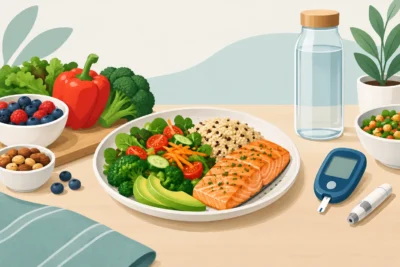
A better approach is to build meals around protein, fiber, and minimally processed foods. Eggs, Greek yogurt, chicken, fish, beans, tofu, cottage cheese, non-starchy vegetables, berries, nuts, seeds, and healthy fats tend to be much easier on blood sugar than refined starches and sweets.
For many people, simply removing liquid sugar and cutting back on refined carbs creates a noticeable drop in fasting glucose within days or weeks. That is especially true if late-night eating has become a habit.
Eat in a way that helps you stay full
Hunger is one reason so many blood sugar plans fail. If your meals leave you starving two hours later, you are more likely to reach for easy carbs.
Try to include a solid protein source at each meal and pair carbs with fiber or fat instead of eating them alone. An apple with peanut butter works better than juice. Grilled chicken with vegetables works better than a bagel by itself. Oatmeal with chia seeds and plain Greek yogurt works better than a muffin.
This is not about eating perfectly. It is about making blood sugar spikes smaller and less frequent.
Walk after meals
If there is one habit that feels almost too simple to matter, it is walking after you eat. But it works. A 10 to 20 minute walk after meals helps your muscles use glucose, which can reduce post-meal spikes and improve insulin sensitivity over time.
You do not need a gym membership to get this benefit. A brisk walk around the block after lunch and dinner can make a meaningful difference over three months. For many adults with prediabetes, this is one of the most practical changes to start immediately.
Add resistance training
Muscle helps soak up glucose. That is one reason strength training is so valuable for prediabetes. You do not need to become a bodybuilder. Two to four sessions per week using bodyweight exercises, resistance bands, dumbbells, or machines can improve insulin sensitivity and support fat loss.
Walking helps now. Building muscle helps now and later.
Lose even a modest amount of weight
If you are carrying extra weight, especially around the midsection, losing just 5% to 10% of your body weight can significantly improve blood sugar control. That is one of the strongest levers for reversing prediabetes.
This is where people sometimes get discouraged. They think they need dramatic weight loss to see lab improvements. Often they do not. Even a modest drop can reduce liver fat, improve insulin function, and lower fasting glucose.
Slow and steady is better than aggressive and unsustainable. The body responds to consistency.
A realistic 3-month plan to reverse prediabetes
If you want to reverse prediabetes in 3 months, think in phases instead of trying to overhaul your entire life in one weekend.
Month 1: Stop the biggest blood sugar triggers
Your first month is about cutting obvious sugar sources, reducing refined carbs, and building a simple routine. Start with breakfast and beverages if those are weak spots. Replace sugary cereal, pastries, juice, and sweet coffee drinks with higher-protein options.
At the same time, begin daily walking, especially after meals. Track your food honestly for a couple of weeks if that helps you spot patterns. You are looking for the habits that keep your blood sugar elevated most often.
Month 2: Build meals that work for your body
By the second month, focus on meal structure. Most meals should include protein, non-starchy vegetables, and a controlled portion of quality carbs if tolerated well. This might look like salmon with broccoli and a small serving of brown rice, or a taco bowl with lean protein, beans, salsa, greens, and avocado.
This is also a good time to add strength training if you have not already. Two or three short sessions per week is enough to start.
Month 3: Tighten what still needs work
The third month is where small adjustments can produce better lab results. Maybe your weekends are still full of high-carb restaurant meals. Maybe your sleep is poor and cravings spike the next day. Maybe stress is pushing you toward late-night eating.
At this stage, do not chase perfection. Look for the one or two issues still blocking progress and fix those. That is often what moves someone from partial improvement to normal-range labs.
What can slow your progress?
There are a few common reasons someone does everything "mostly right" and still struggles. Poor sleep can worsen insulin resistance. Certain medications can affect blood sugar. Menopause, high stress, and untreated sleep apnea can also make improvement slower.
Some people also underestimate portions of healthy foods. Nuts, smoothies, dried fruit, whole grain snacks, and even natural sweeteners can still keep blood sugar higher than expected when eaten in large amounts.
And then there is the hidden issue: inconsistency. Being strict Monday through Thursday and then overeating all weekend can erase a lot of progress.
Should you monitor your numbers at home?
For many people, yes. If your doctor recommends checking blood sugar, home monitoring can help you see how meals, walks, stress, and sleep affect your readings. It turns vague advice into useful feedback.
Even without a glucose meter, tracking your weight, waist size, energy, cravings, and exercise can show whether your plan is working. If you do have follow-up labs scheduled, those results will give you the clearest picture of whether your A1C and fasting glucose are moving in the right direction.
When to talk to your doctor
Prediabetes deserves action, but it also deserves proper medical follow-up. If your blood sugar is climbing, your A1C is close to the diabetes range, or lifestyle changes are not helping as expected, talk to your doctor. Some people need a more tailored plan, especially if other conditions are involved.
A natural-first approach can be powerful, and that is a big part of what Diabetes Cure Now encourages, but smart medical oversight still matters. The goal is to improve your health as fast and safely as possible.
Three months is not a fantasy timeline. It is a practical window for real change. If you treat prediabetes like the warning it is and respond with consistent daily action, your next set of numbers may look very different from your last.
Important notice: The content of Diabetes Cure Now is solely educational and informational and does not replace the evaluation, diagnosis, or treatment of a doctor or health professional. Before making changes to your diet, exercise, or medication, consult with a qualified professional..
Content reviewed for educational purposes and based on public medical sources.
Sources consulted
- American Diabetes Association (ADA)
- Mayo Clinic
- CDC
- NIH
12 Diabetic Recipes That Keep Meals Balanced
Diabetic Kidney Health Guide for Daily Protection
How to Start Walking With Diabetes Safely

10 Healthy Soups for Diabetics That Satisfy
Do Chia Seeds for Blood Sugar Really Help?

How to Reduce Dawn Phenomenon Naturally
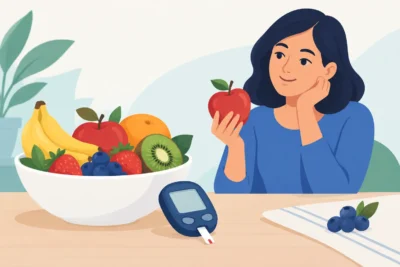
Is Fruit Safe for Diabetes? What to Know

How to Walk After Meals for Better Blood Sugar