
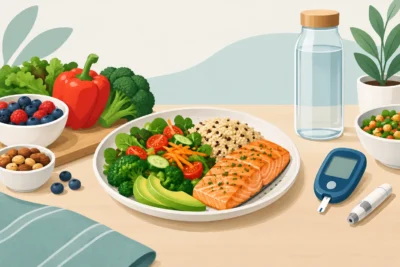
Blood Sugar Friendly Grocery Guide That Works


The biggest blood sugar problem often starts before breakfast - when a cart fills up with sweetened yogurt, oversized snack bags, white bread, and drinks that look healthy but are mostly sugar. This blood sugar friendly grocery guide gives you a practical way to shop for foods that support steadier glucose, better fullness, and meaningful progress with Type 2 diabetes or prediabetes.
You do not need a specialty store, expensive powders, or a perfect diet. You need a repeatable cart built around protein, fiber-rich plants, healthy fats, and carbohydrates you can portion wisely. Small choices made every week can make home meals far easier to manage.
What you\'ll find in this article?
Start Your Blood Sugar Friendly Grocery Guide With a Simple Rule
Build most meals around three anchors: a protein source, non-starchy vegetables, and a source of fiber. Then add carbohydrates based on your personal blood sugar response, activity level, medications, and goals. This structure slows digestion compared with eating carbohydrates alone, which can help reduce sharp post-meal blood sugar rises.
For example, an apple with peanut butter is usually more satisfying than an apple by itself. A bowl with grilled chicken, black beans, greens, and avocado will generally have a different effect than a large bowl of white rice. Carbohydrates are not automatically off-limits, but their type, amount, and what you eat with them matter.
If you use insulin or medications that can lower blood sugar, do not drastically cut carbohydrates without discussing it with your healthcare professional. Your medication needs may change as your food choices, weight, and activity change.

What to Put in Your Cart Most Often
Choose protein that makes meals easier
Protein helps you stay full and can make a simple meal more balanced. Keep several easy options on hand so you are not forced to rely on takeout when life gets busy. Good choices include eggs, plain Greek yogurt, cottage cheese, chicken, turkey, canned tuna or salmon, lean ground meat, tofu, tempeh, and low-sodium canned beans.
Beans and lentils provide both protein and fiber, but they also contain carbohydrates. That does not make them a bad choice. Many people do well with a measured portion, especially when beans replace refined carbohydrates such as white rice, crackers, or fries. Check your own glucose response if you monitor at home.
Fill the produce section with non-starchy vegetables
Non-starchy vegetables bring volume, fiber, potassium, and nutrients with relatively few digestible carbohydrates. Buy fresh vegetables you enjoy, but do not overlook frozen options. Frozen broccoli, cauliflower rice, green beans, spinach, Brussels sprouts, peppers, and vegetable blends are convenient, affordable, and less likely to spoil before you use them.
Aim to make vegetables a visible part of lunch and dinner. A bagged salad kit can work, but check the dressing and toppings. Use part of the dressing or swap it for olive oil and vinegar when the packet is high in added sugar.
Fruit can fit into a blood sugar-conscious routine, especially whole fruit with fiber. Berries, apples, pears, oranges, peaches, and kiwi are practical choices. Skip the idea that fruit is "bad," but watch portions and avoid turning fruit into juice. Juice removes much of the fiber and can raise blood sugar quickly.

Pick carbohydrates with fiber and a purpose
The carbohydrate aisle can feel confusing because packages often advertise words like natural, multigrain, and low fat. Those claims do not guarantee a food will support healthy blood sugar.
Choose foods closer to their original form when possible: old-fashioned oats, steel-cut oats, quinoa, brown or wild rice, barley, sweet potatoes, winter squash, corn, and 100% whole-grain bread or tortillas. Portion size still matters. Even nutritious carbohydrates can push blood sugar higher when eaten in large amounts.
A helpful starting point is to serve a moderate portion of starch alongside protein and vegetables rather than making it the center of the plate. You may find that half a cup of cooked grains, a small sweet potato, or one slice of whole-grain bread is enough for a satisfying meal. Your ideal amount depends on your body and glucose readings.
Add healthy fats for satisfaction, not excess
Healthy fats can make meals taste better and help you stay satisfied between meals. Add olive oil, avocado, olives, nuts, seeds, and natural nut butter to your list. Choose unsweetened nut butters with simple ingredients, ideally nuts and salt.
These foods are calorie-dense, so more is not always better if weight loss is one of your health goals. A small handful of nuts, a tablespoon of seeds, or a quarter to half an avocado can go a long way. The goal is a meal you can repeat, not a meal that feels restrictive.
Read Labels Like a Blood Sugar Detective
A package can say keto, sugar-free, protein-packed, or diabetic-friendly and still be a poor everyday choice. Turn the package over and look at the Nutrition Facts panel and ingredient list.
Start with serving size. A seemingly reasonable carbohydrate number may apply to a tiny serving that few people actually eat. Then check total carbohydrates, fiber, and added sugars. Higher-fiber options are often more filling, while added sugars can quietly accumulate in cereal, sauces, flavored oatmeal, yogurt, salad dressing, and snack bars.
You do not have to fear every gram of sugar. Plain dairy products and fruit contain naturally occurring sugars, along with nutrients. Focus your attention on added sugar and heavily processed foods that offer little fiber or protein.
Also look for sodium, especially if you have high blood pressure or kidney concerns. Canned vegetables, soups, deli meats, frozen meals, and sauces can be useful conveniences, but lower-sodium versions are often a better routine choice.
Foods That Commonly Need a Second Look
Some foods create trouble because they are marketed as healthy or because portions get out of hand. Keep these items occasional rather than automatic purchases:
- Sweetened coffee drinks, soda, energy drinks, sweet tea, and fruit juice
- Flavored yogurt, sugary cereal, instant oatmeal packets, and granola
- White bread, regular pasta, pastries, chips, crackers, and pretzels
- Bottled barbecue sauce, teriyaki sauce, ketchup, and many prepared dressings
- Large bags of candy, cookies, ice cream, and snack foods that are easy to eat mindlessly
You do not need to ban every favorite food forever. But your home environment should make your best choice the easiest choice. If cookies are a trigger food, buying a family-size package for the pantry can make blood sugar management harder than it needs to be.
Build a Week of Simple Meals From One Grocery Trip
Shopping gets easier when you buy ingredients that work in more than one meal. Roast chicken can become a salad topping, lettuce wrap filling, or quick skillet meal. A carton of eggs can become breakfast, a snack, or a vegetable omelet for dinner. Frozen vegetables solve the "there is nothing to eat" problem in minutes.
Try planning two breakfasts, two lunches, and three dinners instead of chasing endless recipe ideas. For breakfast, consider eggs with sautéed spinach and berries, or plain Greek yogurt with berries, chia seeds, and walnuts. For lunch, use leftover protein over a large salad or make a turkey and avocado wrap in a high-fiber tortilla.
For dinner, pair baked salmon with roasted broccoli and a small sweet potato. Make taco bowls with lean ground turkey, peppers, lettuce, salsa, avocado, and a measured serving of black beans. Or cook a stir-fry with chicken, frozen vegetables, and cauliflower rice, adding a small portion of brown rice if it fits your plan.
Shop for Your Real Life, Not an Imaginary Perfect Week
The best grocery plan is one you will follow on tired Tuesday nights and busy weekends. If chopping vegetables feels like a barrier, buy pre-cut produce. If you live alone, choose smaller packages and frozen foods to reduce waste. If your family expects pasta night, add meat, vegetables, and a salad, then serve yourself a smaller portion of pasta instead of making a separate meal.
Checking your blood sugar after meals, if you have been advised to monitor, can teach you more than generic food rules ever could. Note what you ate, the portion, and how you felt. Over time, you can identify meals that leave you energized and satisfied instead of hungry, tired, and chasing another snack.
A healthier grocery cart is not a punishment. It is a practical vote for more stable energy, fewer blood sugar surprises, and greater control over what happens at your next meal. Start with one shopping trip, make a few dependable swaps, and let those choices build momentum.
Important notice: The content of Diabetes Cure Now is solely educational and informational and does not replace the evaluation, diagnosis, or treatment of a doctor or health professional. Before making changes to your diet, exercise, or medication, consult with a qualified professional..
Content reviewed for educational purposes and based on public medical sources.
Sources consulted
- American Diabetes Association (ADA)
- Mayo Clinic
- CDC
- NIH
12 Diabetic Recipes That Keep Meals Balanced
Diabetic Kidney Health Guide for Daily Protection

How to Start Walking With Diabetes Safely
10 Healthy Soups for Diabetics That Satisfy
Do Chia Seeds for Blood Sugar Really Help?

How to Reduce Dawn Phenomenon Naturally
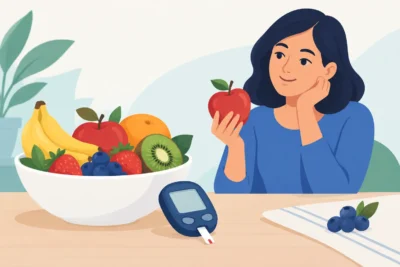
Is Fruit Safe for Diabetes? What to Know
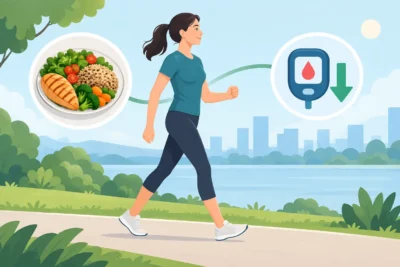
How to Walk After Meals for Better Blood Sugar