
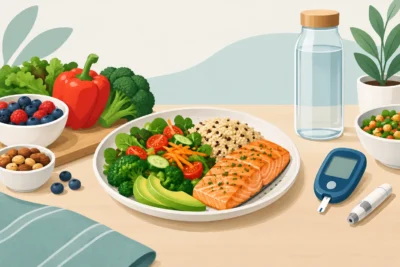
How to Reduce Dawn Phenomenon Naturally


Waking up to a higher blood sugar reading after doing everything right the day before can feel deeply frustrating. The good news is that learning how to reduce dawn phenomenon often starts with a few practical changes to your evening routine, food choices, activity, and glucose tracking. Morning highs are common, especially with Type 2 diabetes and prediabetes, and they can provide useful clues about what your body needs.
What you\'ll find in this article?
What Is the Dawn Phenomenon?
The dawn phenomenon is a rise in blood sugar that happens in the early morning, usually between about 3 a.m. and 8 a.m. Your body releases hormones such as cortisol, growth hormone, and adrenaline as it prepares to wake up. These hormones signal the liver to release glucose into the bloodstream for energy.
For someone with healthy insulin sensitivity, the pancreas releases enough insulin to keep that glucose rise under control. With insulin resistance, prediabetes, or Type 2 diabetes, insulin may not work efficiently enough. The result can be an elevated fasting blood sugar even when you did not eat during the night.
This is not a sign that you have failed. It is a sign that your body may need more support with overnight glucose control and insulin sensitivity.
Confirm What Is Causing Your Morning Highs
Before changing your routine, try to identify the pattern. Check your glucose at bedtime, occasionally during the night if your clinician recommends it, and again when you wake up. A continuous glucose monitor can make this pattern easier to see, but finger-stick readings can also be helpful.

If your blood sugar is stable at bedtime, rises overnight, and is highest in the morning, dawn phenomenon is likely. If it is low during the night and then rebounds high by morning, that may point to a different issue called the Somogyi effect. It is less common, but it matters because the best response is different.
Keep a simple log for one to two weeks. Record dinner time, foods eaten, evening snacks, exercise, sleep, alcohol, stress, medication timing, and morning readings. Patterns are more useful than a single number.
How to Reduce Dawn Phenomenon With Evening Habits
Your evening is often the best place to start. The goal is not to be perfect. It is to lower the amount of glucose entering your bloodstream overnight and help your muscles respond better to insulin.
Finish Dinner Earlier When You Can
A large late-night meal can keep blood sugar elevated while you sleep. For many people, finishing dinner two to three hours before bed creates a more favorable overnight pattern. This does not mean you need to go hungry. It means giving your body time to digest before lying down.
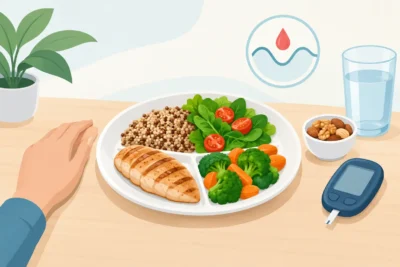
Focus dinner around non-starchy vegetables, protein, and healthy fats, with a portion of high-fiber carbohydrates if they fit your glucose goals. For example, grilled chicken or salmon with roasted vegetables and a modest serving of beans may produce a very different morning reading than pizza, pasta, dessert, or a large bowl of cereal later in the evening.

The right carbohydrate amount varies from person to person. Your glucose meter can help you find it.
Rethink the Bedtime Snack
A bedtime snack is not automatically necessary. For some people, a snack that includes carbohydrates raises glucose through the night and makes morning readings worse. For others, especially people using insulin or medications that can cause low blood sugar, a planned snack may be appropriate.
Instead of assuming you need one, test your own response with guidance from your healthcare professional. If you do need a snack, prioritize protein, fiber, or healthy fat over sweets and refined starches. A small handful of nuts, plain Greek yogurt, or vegetables with hummus may be more glucose-friendly than crackers, cookies, fruit juice, or ice cream.
Do not make major changes to food intake if you take insulin or a medication that can cause hypoglycemia without discussing it with your prescriber.
Take a Short Walk After Dinner
A 10- to 20-minute walk after dinner can be one of the simplest tools for improving evening glucose. Your working muscles use glucose for fuel, which can reduce the size and duration of the post-meal rise.
You do not need an intense workout. A relaxed walk, light cycling, gentle dancing, or household activity can help. Consistency matters more than intensity. If walking after dinner is not realistic, try to move at another time in the evening rather than sitting continuously until bed.
Build Better Insulin Sensitivity During the Day
Morning blood sugar is influenced by far more than dinner. What happens during the previous day affects how much glucose your liver releases overnight and how well insulin works the next morning.
Regular movement is one of the most reliable lifestyle supports. Aim to include both aerobic activity, such as walking, swimming, or cycling, and resistance training, such as body-weight exercises, resistance bands, or weights. Muscle tissue is a major place where glucose can be stored and used.
Even two or three strength sessions each week can support insulin sensitivity over time. Start at your current level. Chair squats, wall push-ups, and resistance-band rows are meaningful starting points if you have been inactive. If you have neuropathy, foot problems, heart disease, or balance concerns, ask your healthcare team what forms of exercise are safest.
Weight loss can also improve fasting glucose for people who carry excess body fat, particularly around the abdomen. But progress does not require an extreme diet. A steady routine built around protein-rich meals, vegetables, fiber, fewer sugary drinks, and regular movement is more likely to last.
Protect Your Sleep and Lower Evening Stress
Poor sleep can raise cortisol and make insulin resistance worse. One short night may affect your next morning's glucose, while chronic sleep disruption can make the problem more persistent.
Set a realistic sleep schedule, keep the room cool and dark, and reduce bright screens close to bedtime when possible. If you snore loudly, wake up gasping, feel exhausted despite enough time in bed, or have frequent morning headaches, ask your doctor about sleep apnea. It is common in people with Type 2 diabetes and can make blood sugar harder to manage.
Stress deserves attention too. You cannot remove every stressful situation, but you can give your nervous system a calmer signal before bed. Try five minutes of slow breathing, gentle stretching, reading, prayer, or writing tomorrow's to-do list so it is not running through your mind all night. Small routines can make a measurable difference when practiced regularly.
Review Medication Timing With Your Clinician
Lifestyle strategies are powerful, but they do not replace prescribed treatment. If fasting glucose remains high despite consistent food, movement, and sleep habits, your medication plan may need to be reviewed.
Do not increase, skip, or shift diabetes medication on your own. This is especially important if you use insulin, sulfonylureas, or other medicines that can lower glucose. Your clinician may consider medication timing, dose adjustments, or whether another health issue is contributing to elevated morning readings.
Call your healthcare provider promptly if you repeatedly have very high readings, symptoms of high blood sugar such as extreme thirst or frequent urination, or any low blood sugar episodes overnight. Seek urgent care for severe symptoms such as vomiting, confusion, trouble breathing, or inability to keep fluids down.
A Simple One-Week Experiment
Trying every change at once makes it hard to know what helped. For one week, keep your usual breakfast and medication schedule consistent. Then choose two changes: finish dinner earlier and walk for 15 minutes afterward, for example.
Track your bedtime and waking glucose, along with sleep quality. If morning readings improve, continue. If they do not, test another change the following week, such as adjusting the size or composition of dinner. This steady approach turns frustration into useful information.
The aim is not a single perfect fasting number. It is a repeatable routine that gives your body fewer reasons to release extra glucose overnight. Each earlier dinner, post-meal walk, balanced plate, and better night of sleep is a practical step toward steadier mornings and stronger long-term metabolic health.
Important notice: The content of Diabetes Cure Now is solely educational and informational and does not replace the evaluation, diagnosis, or treatment of a doctor or health professional. Before making changes to your diet, exercise, or medication, consult with a qualified professional..
Content reviewed for educational purposes and based on public medical sources.
Sources consulted
- American Diabetes Association (ADA)
- Mayo Clinic
- CDC
- NIH
12 Diabetic Recipes That Keep Meals Balanced
Diabetic Kidney Health Guide for Daily Protection

How to Start Walking With Diabetes Safely

10 Healthy Soups for Diabetics That Satisfy
Do Chia Seeds for Blood Sugar Really Help?
Is Fruit Safe for Diabetes? What to Know

How to Walk After Meals for Better Blood Sugar
Portion Control Diabetes Guide for Steady Blood Sugar