
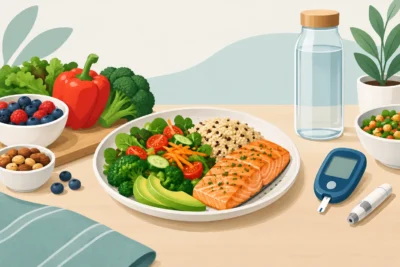
10 Healthy Soups for Diabetics That Satisfy


A bowl of soup can either support steady blood sugar or quietly load you up with sodium, starch, and hidden sugar. The best healthy soups for diabetics are built around non-starchy vegetables, satisfying protein, fiber-rich beans or whole grains, and a broth you can trust. They are warm, affordable, easy to batch-cook, and practical for the nights when a complicated meal is the last thing you need.
Soup is not a cure for diabetes, but choosing meals that help you feel full and avoid sharp glucose swings can make daily blood sugar management easier. The goal is simple: make soup a balanced meal, not a bowl of mostly noodles, potatoes, or creamy sauce.
What you\'ll find in this article?
- What Makes a Soup Blood Sugar Friendly?
-
10 Healthy Soups for Diabetics to Make at Home
- 1. Chicken and Vegetable Soup
- 2. Lentil and Tomato Soup
- 3. Turkey, Kale, and White Bean Soup
- 4. Minestrone With Smart Swaps
- 5. Broccoli and Cauliflower Soup
- 6. Black Bean and Vegetable Soup
- 7. Cabbage Soup With Lean Beef or Turkey
- 8. Mushroom and Barley Soup
- 9. Spicy Vegetable and Tofu Soup
- 10. Salmon Chowder Without the Heavy Cream
- How to Buy Better Canned Soup
- Build a Better Bowl of Soup
What Makes a Soup Blood Sugar Friendly?
A diabetes-friendly soup does not have to be bland or completely carb-free. Carbohydrates can fit into a Type 2 diabetes eating plan, especially when they come with fiber and are paired with protein and healthy fats. What matters is the portion, the ingredients, and what you eat alongside it.
Start with a vegetable-based broth or a lower-sodium stock. Add a clear source of protein, such as chicken, turkey, fish, tofu, lentils, or beans. Then build flavor with onions, garlic, herbs, lemon, vinegar, spices, tomatoes, mushrooms, and greens rather than relying on cream, excess salt, or packaged seasoning mixes.
Watch common soup traps. Restaurant chowders, canned noodle soups, potato soups, and sweet squash bisques can be high in refined starch, saturated fat, sodium, or added sugar. A soup can sound healthy and still contain more than a day's worth of sodium. Reading the label and checking the serving size gives you more control.

10 Healthy Soups for Diabetics to Make at Home
1. Chicken and Vegetable Soup
Chicken and vegetable soup is a reliable choice because it delivers protein without requiring a lot of carbohydrate. Use skinless chicken breast or thigh, then add celery, carrots, zucchini, green beans, spinach, cabbage, and tomatoes. Carrots do contain carbohydrates, but a modest amount spread through a vegetable-heavy pot is usually very different from a soup centered on pasta or potatoes.
For more staying power, add a small portion of white beans or barley. Keep the broth lower in sodium and season generously with black pepper, thyme, parsley, garlic, and a squeeze of lemon.
2. Lentil and Tomato Soup
Lentils contain carbohydrates, but they also provide plant protein and soluble fiber that can slow digestion and support steadier blood sugar. A hearty lentil soup with tomatoes, onions, celery, carrots, garlic, and leafy greens can be a complete lunch or dinner.
Portion still matters. If you use a large serving of lentils, skip bread or crackers on the side. A crisp salad with olive oil and vinegar is a better companion when you want more food on your plate.
3. Turkey, Kale, and White Bean Soup
This soup works especially well after a holiday meal or whenever you have leftover cooked turkey. White beans add creaminess and fiber without actual cream, while kale brings volume, color, and nutrients with very few carbs.

Use more turkey and kale than beans if you are watching carbohydrate intake closely. Rosemary, Italian seasoning, garlic, and red pepper flakes make the broth flavorful without turning to a salty packet of seasoning.
4. Minestrone With Smart Swaps
Traditional minestrone can be a good choice, but pasta and beans in the same bowl may push carbohydrates higher than some people expect. Make it more blood sugar friendly by using extra zucchini, cabbage, spinach, and green beans, while limiting pasta to a small amount or replacing it with cauliflower rice.
Beans can remain in the recipe because they contribute valuable fiber. The key is not treating minestrone as a reason to add a big piece of bread. Taste the soup first. It is often satisfying on its own.
5. Broccoli and Cauliflower Soup
Creamy soups do not need heavy cream. Blend cooked broccoli and cauliflower with onions, garlic, broth, and a small amount of plain Greek yogurt or unsweetened milk for a thick, comforting texture. Adding shredded chicken, white fish, or tofu turns it into a more balanced meal.
Be careful with cheese. A little sharp cheddar can add big flavor, but large amounts raise saturated fat and calories quickly. For many people working on weight and insulin resistance, that trade-off is not worth it every time.
6. Black Bean and Vegetable Soup
Black bean soup can be filling, budget-friendly, and full of fiber. Combine black beans with diced tomatoes, bell peppers, onions, celery, cumin, chili powder, and lime. Rather than serving it with tortilla chips, top it with avocado, cilantro, or a spoonful of plain Greek yogurt.
Canned beans are convenient, but rinse them well to reduce sodium. If you track blood sugar after meals, this is a useful soup to test because individual responses to beans can vary.
7. Cabbage Soup With Lean Beef or Turkey
Cabbage adds bulk and a mild sweetness without a major carbohydrate load. Pair it with lean ground beef, ground turkey, or sliced chicken, along with tomatoes, mushrooms, celery, onions, and herbs. The result is hearty enough to prevent the "I am still hungry" feeling that can lead to evening snacking.
Choose lean meat and drain it after browning if needed. Cabbage soup is not a magic weight-loss fix, but it can be a satisfying, lower-calorie meal within a realistic eating pattern.
8. Mushroom and Barley Soup
Mushrooms offer deep savory flavor, which helps a lighter soup feel substantial. Barley is a whole grain with fiber, but it is still a carbohydrate food. Use it as an accent rather than the main ingredient, and include chicken, turkey, or lentils for protein.
If your glucose tends to rise after grains, reduce the barley or swap it for more mushrooms and vegetables. Your meter or continuous glucose monitor can provide useful personal feedback.
9. Spicy Vegetable and Tofu Soup
Tofu is an easy, affordable protein that absorbs the flavor of broth, ginger, garlic, chili, and lime. Add bok choy, mushrooms, bell peppers, snow peas, and cabbage for a colorful soup that cooks quickly.
Avoid sweet bottled sauces and large portions of rice noodles. If you want a noodle-like texture, use shredded cabbage, zucchini noodles, or a small serving of edamame noodles. This keeps the meal filling while reducing the rapid-digesting starch.
10. Salmon Chowder Without the Heavy Cream
Salmon provides protein and beneficial omega-3 fats, and it makes a satisfying soup when paired with celery, leeks, cauliflower, and herbs. For a chowder-style texture, blend part of the cooked cauliflower into the broth instead of using flour, cream, and large amounts of potato.
This version will not taste exactly like a traditional restaurant chowder, and that is the trade-off. It is lighter, usually lower in carbohydrates, and easier to fit into a plan focused on improving metabolic health.
How to Buy Better Canned Soup
Homemade soup gives you the most control, but canned soup can still be useful on busy days. Look for a label that lists vegetables and a recognizable protein near the beginning of the ingredient list. Choose lower-sodium options when possible, and compare the carbohydrate grams per serving instead of assuming every vegetable soup is low carb.
A canned soup that is light on protein can become more balanced with leftover chicken, canned salmon, tofu, or a side of eggs. If it contains a lot of noodles, rice, potatoes, or crackers, use a smaller bowl and add non-starchy vegetables to stretch it.
Build a Better Bowl of Soup
Serving size matters as much as the recipe. Fill your bowl with a soup that contains protein and vegetables, then pause before reaching for bread, crackers, or a second bowl. If you want a side, choose a salad, sliced cucumber, roasted vegetables, or a small portion of whole-grain bread depending on your blood sugar goals.
If you take insulin or medications that can lower glucose, avoid making major carbohydrate cuts without discussing it with your healthcare professional. Monitor your numbers, notice how meals affect your energy and hunger, and adjust thoughtfully.
A pot of soup in the refrigerator can be more than meal prep. It is a practical decision waiting for you when life gets busy - one that helps make the next blood sugar-friendly choice easier.
Important notice: The content of Diabetes Cure Now is solely educational and informational and does not replace the evaluation, diagnosis, or treatment of a doctor or health professional. Before making changes to your diet, exercise, or medication, consult with a qualified professional..
Content reviewed for educational purposes and based on public medical sources.
Sources consulted
- American Diabetes Association (ADA)
- Mayo Clinic
- CDC
- NIH
12 Diabetic Recipes That Keep Meals Balanced
Diabetic Kidney Health Guide for Daily Protection

How to Start Walking With Diabetes Safely
Do Chia Seeds for Blood Sugar Really Help?

How to Reduce Dawn Phenomenon Naturally
Is Fruit Safe for Diabetes? What to Know

How to Walk After Meals for Better Blood Sugar
Portion Control Diabetes Guide for Steady Blood Sugar