
How to Walk After Meals for Better Blood Sugar


A large meal can leave you feeling sleepy, heavy, and worried about where your blood sugar may be heading next. Learning how to walk after meals gives you a simple way to put your muscles to work when your body needs them most. You do not need a gym, special equipment, or a hard workout. A short, consistent walk can be one of the most practical habits for people with prediabetes or Type 2 diabetes.
The goal is not to “walk off” food or punish yourself for eating. The goal is to help your body handle the glucose from a meal more effectively. Done regularly, this small habit can support steadier readings, better energy, and the kind of daily movement that adds up over time.
What you\'ll find in this article?
Why a walk after eating can help blood sugar
When you eat carbohydrates, your digestive system breaks them down into glucose, which enters your bloodstream. Your pancreas releases insulin to help move that glucose into cells for energy. With insulin resistance, the central issue in prediabetes and Type 2 diabetes, that process does not work as efficiently. Blood sugar can stay elevated longer than it should.
Your leg muscles can help. When muscles contract during walking, they use glucose for fuel. This creates another pathway for pulling glucose out of the bloodstream, including one that is less dependent on insulin. That is why a modest walk after a meal may reduce the size or duration of a post-meal blood sugar rise.
This is especially useful after meals that contain more carbohydrates, such as breakfast with toast or cereal, lunch with a sandwich and chips, or dinner with rice, pasta, potatoes, or dessert. It does not make food choices irrelevant, but it can be a powerful companion to a balanced plate.

Walking may also ease sluggish digestion, lift the afternoon energy crash, and help you build a more active routine without overwhelming your joints. For many people, a 10-minute walk is far more realistic than hoping to complete one long workout later in the day.
How to walk after meals: the simple routine
Start with a 10-minute walk after one meal per day. Dinner is often the easiest place to begin because it may be your largest meal and because a walk can become part of winding down for the evening. Once that feels normal, add a second or third walk after other meals.
Aim to begin within about 10 to 30 minutes after finishing your meal. You do not have to leave your plate and immediately sprint out the door. The useful window is simply when your blood sugar is beginning to rise. If you need to clear dishes, change shoes, or walk the dog first, that is fine.
Keep the pace comfortable but purposeful. You should be able to speak in full sentences, though you may breathe a little faster than when sitting still. Think of a pace that feels like you are late for an appointment, not like you are training for a race. For most people, that is enough to activate large muscle groups without causing digestive discomfort.
If 10 minutes feels easy, gradually build toward 15 to 20 minutes after your larger meals. You can also use a practical daily target: three 10-minute walks, one after each meal, equals 30 minutes of movement without requiring a single long session.

A useful pace check
Your post-meal walk should leave you refreshed, not drained. Slow down if you develop cramping, nausea, dizziness, unusual shortness of breath, chest pressure, or pain. A hard interval workout right after a heavy meal is not necessary for blood sugar support and can feel unpleasant for some people.
The best pace is the one you can repeat tomorrow. Consistency beats intensity when you are building a lifestyle habit.
What if you cannot walk outdoors?
Bad weather, unsafe sidewalks, limited mobility, and busy schedules should not end the plan. Walk laps through your home, march gently in place during a TV show, use a treadmill, or stroll through a large store. Even moving around the kitchen while cleaning up is better than sitting immediately, though a deliberate walk is usually easier to keep consistent.
If standing or walking is difficult, ask a clinician or physical therapist about seated movement options. Gentle seated marches, heel raises, and repeated leg extensions can engage leg muscles. They are not a complete replacement for walking if you are able to walk, but they can be a meaningful starting point.
Match your walk to the meal and your body
There is no single perfect schedule. A small snack may not call for a formal walk, while a higher-carb dinner may be a good reason to take one. Pay attention to your own glucose response if you use a meter or continuous glucose monitor. Over several days, compare how you feel and, if appropriate, what your readings look like after similar meals with and without a walk.
Do not obsess over one number. Blood sugar can change based on sleep, stress, medication timing, illness, meal portions, and the food itself. Look for patterns. If a brief walk after dinner consistently helps you feel better or improves your usual post-meal trend, you have found a habit worth protecting.
People with acid reflux, bloating, or a very full stomach may prefer to wait 20 to 30 minutes before walking. Keep the pace relaxed and avoid hills immediately after a large meal. On the other hand, some people feel perfectly comfortable starting sooner. Your body gets a vote.
Make post-meal walking automatic
The hardest part is rarely the walk itself. It is remembering to do it when life gets busy. Attach the habit to something that already happens every day: finishing dinner, taking medication, feeding the dog, or clearing the table. Put walking shoes by the door, invite a spouse or neighbor, or set a reminder labeled “10 minutes for my blood sugar.”
You can also lower the barrier by making the route short. Walk to the end of the block and back. Circle your apartment building. Choose a well-lit route you feel comfortable taking after dinner. A route that is convenient will be used more often than a scenic route that requires driving.
If you miss a walk, skip the guilt. One missed day does not erase the value of the habit. Stand up and take the next opportunity. The real win is becoming someone who regularly moves after meals, not maintaining a perfect streak.
Important safety notes for diabetes
Walking is generally accessible, but diabetes can bring extra considerations. If you take insulin or a medication that can cause low blood sugar, such as a sulfonylurea, activity may increase your risk of hypoglycemia. Ask your prescribing clinician how post-meal walking fits your medication plan, particularly if you have had lows before.
Carry a fast source of glucose when you walk if you are at risk for low blood sugar. Know the warning signs: shakiness, sweating, sudden hunger, confusion, weakness, dizziness, or a racing heartbeat. Check your glucose when advised by your care team and treat a low promptly.
Foot care matters, too. Wear supportive shoes and socks, and check your feet regularly for blisters, cuts, redness, or sores. If you have neuropathy, foot ulcers, severe circulation problems, unstable heart symptoms, or significant balance issues, get personalized advice before starting a walking routine. A safer route, a cane, indoor walking, or a different form of movement may be the right choice.
Pair the walk with a smarter plate
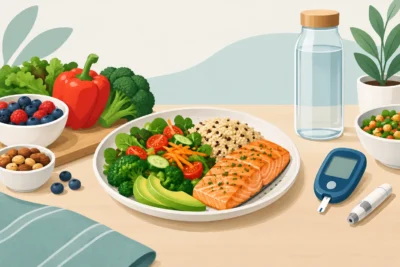
A walk works best as part of an overall blood sugar strategy. Build meals around non-starchy vegetables, protein, fiber-rich carbohydrates, and healthy fats. Watch portions of refined carbs and sugary drinks, which can push blood sugar up quickly. Walking after a meal may soften a rise, but it cannot fully cancel out large portions or frequent high-sugar choices.
Think of it as support, not a loophole. A grilled chicken salad with beans, vegetables, and a modest portion of whole grains paired with a 10-minute walk will usually serve your blood sugar better than a large sugary meal followed by the same walk.
If you are new to exercise, start tonight with five or 10 minutes after dinner. Keep it easy, repeat it tomorrow, and let that small action become proof that you can take meaningful control of your health one meal at a time.
Important notice: The content of Diabetes Cure Now is solely educational and informational and does not replace the evaluation, diagnosis, or treatment of a doctor or health professional. Before making changes to your diet, exercise, or medication, consult with a qualified professional..
Content reviewed for educational purposes and based on public medical sources.
Sources consulted
- American Diabetes Association (ADA)
- Mayo Clinic
- CDC
- NIH
12 Diabetic Recipes That Keep Meals Balanced
Diabetic Kidney Health Guide for Daily Protection
How to Start Walking With Diabetes Safely

10 Healthy Soups for Diabetics That Satisfy
Do Chia Seeds for Blood Sugar Really Help?

How to Reduce Dawn Phenomenon Naturally
Is Fruit Safe for Diabetes? What to Know
Portion Control Diabetes Guide for Steady Blood Sugar