
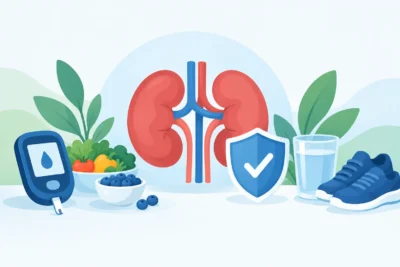
12 Diabetic Recipes That Keep Meals Balanced


A meal does not need to taste bland or feel restrictive to support healthier blood sugar. The best diabetic recipes rely on a simple formula: plenty of non-starchy vegetables, satisfying protein, high-fiber carbohydrates in sensible portions, and fats that make the meal filling. That combination can help reduce the sharp hunger and energy swings that often lead to overeating later.
For adults with Type 2 diabetes or prediabetes, food choices can be a powerful part of improving metabolic health. But there is no single perfect menu. Your ideal carbohydrate portion depends on your medications, activity level, weight goals, usual glucose response, and guidance from your healthcare team. Use these recipes as flexible building blocks, then check your blood sugar response when appropriate.
What you\'ll find in this article?
- What Makes a Recipe Diabetes-Friendly?
-
12 Diabetic Recipes for Real Life
- 1. Vegetable Egg Scramble
- 2. Greek Yogurt Berry Bowl
- 3. Turkey Lettuce Wraps
- 4. Salmon With Roasted Broccoli
- 5. Chicken and Bean Chili
- 6. Cauliflower Fried Rice
- 7. Tuna and White Bean Salad
- 8. Sheet-Pan Chicken Fajitas
- 9. Lentil Vegetable Soup
- 10. Zucchini Noodles With Turkey Meat Sauce
- 11. Apple Peanut Butter Snack Plate
- 12. Cinnamon Chia Pudding
- Small Changes That Make These Recipes Work Better
What Makes a Recipe Diabetes-Friendly?
A diabetes-friendly meal is not simply a meal without sugar. White bread, oversized portions of rice, sweetened sauces, and heavily processed snacks can raise blood sugar quickly even when they do not taste especially sweet. On the other hand, foods with fiber, protein, and healthy fat tend to digest more slowly and keep you satisfied longer.
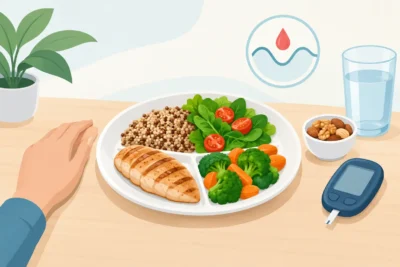
A useful visual at lunch and dinner is the plate method: fill about half the plate with non-starchy vegetables, one quarter with protein, and one quarter with a high-fiber carbohydrate such as beans, lentils, sweet potato, brown rice, or quinoa. Fruit, milk, yogurt, and whole grains can still fit into many eating plans. The difference is portion awareness and pairing them with protein rather than eating them alone.
12 Diabetic Recipes for Real Life
1. Vegetable Egg Scramble
Sauté spinach, mushrooms, bell peppers, and onions in a teaspoon of olive oil, then add two eggs or a combination of one egg and egg whites. Finish with black pepper, garlic powder, and a small sprinkle of cheese. Serve with sliced avocado or a side of berries instead of toast if you want a lower-carbohydrate breakfast.

Eggs provide protein, while the vegetables add volume and fiber without loading the plate with carbohydrates. If you prefer toast, choose one slice of dense whole-grain bread and skip sugary breakfast drinks.
2. Greek Yogurt Berry Bowl
Start with plain, unsweetened Greek yogurt. Add a small handful of blueberries or raspberries, chopped walnuts, cinnamon, and chia seeds. If you need more sweetness, try vanilla extract or a non-sugar sweetener rather than honey or granola.
This recipe works because Greek yogurt offers more protein than many standard yogurts, and berries are generally lower in sugar than tropical fruits. Read the label carefully - flavored yogurt can contain as much added sugar as a dessert.
3. Turkey Lettuce Wraps
Cook lean ground turkey with diced onion, garlic, ginger, mushrooms, and shredded cabbage. Season with low-sodium soy sauce or coconut aminos, then spoon the mixture into crisp romaine or butter lettuce leaves. Add cucumber, cilantro, or a small amount of crushed peanuts for crunch.
These wraps offer the flavor of takeout without the large serving of white rice or sugary sauce. If you want a carbohydrate side, add a half-cup of edamame or a modest scoop of brown rice.

4. Salmon With Roasted Broccoli
Bake salmon with lemon, olive oil, paprika, and herbs. Roast broccoli alongside it until the edges are lightly crisp, and serve with a small baked sweet potato if desired. The natural sweetness of the potato often makes the meal feel more satisfying than a plain piece of chicken and vegetables.
Salmon provides protein and omega-3 fats, while broccoli brings fiber and potassium. Keep the sweet potato portion moderate, especially if you are still learning how starchy foods affect your glucose levels.
5. Chicken and Bean Chili
Simmer diced chicken breast or shredded rotisserie chicken with no-salt-added tomatoes, black beans, kidney beans, onions, bell peppers, chili powder, cumin, and garlic. Top with avocado, chopped cilantro, or plain Greek yogurt instead of sour cream.
Beans do contain carbohydrates, but they also deliver fiber and protein. Many people find that beans affect blood sugar differently from refined grains. Start with a reasonable bowl and avoid pairing the chili with large amounts of cornbread, tortilla chips, or sweetened drinks.
6. Cauliflower Fried Rice
Cook riced cauliflower in a skillet with scrambled egg, peas, carrots, green onions, and diced chicken or shrimp. Season with ginger, garlic, sesame oil, and a light splash of reduced-sodium soy sauce.
Cauliflower rice is not meant to copy white rice perfectly. Its advantage is that it lets you enjoy a generous, flavorful portion while keeping the meal lighter in carbohydrates. Frozen cauliflower rice makes this a realistic weeknight option.
7. Tuna and White Bean Salad
Mix canned tuna with rinsed white beans, chopped celery, red onion, parsley, lemon juice, olive oil, and black pepper. Serve over greens, in a tomato, or alongside sliced cucumbers.
The beans make this salad more filling than tuna alone, and the olive oil adds satisfying fat without relying on creamy dressings. Choose tuna packed in water and watch sodium if you use canned products often.
8. Sheet-Pan Chicken Fajitas
Toss sliced chicken breast, peppers, and onions with olive oil, lime juice, cumin, chili powder, and smoked paprika. Roast until the chicken is cooked through and the vegetables are tender. Serve in lettuce cups, over a salad, or in one or two small corn tortillas.
Corn tortillas can fit into diabetic recipes, but quantity matters. A large flour tortilla may hold more carbohydrates than you expect, so check the label and build most of the meal around the chicken and vegetables.
9. Lentil Vegetable Soup
Simmer brown or green lentils with tomatoes, carrots, celery, onion, spinach, garlic, and low-sodium broth. Season with Italian herbs, black pepper, and a splash of vinegar at the end for brightness.
Lentils are inexpensive, filling, and rich in fiber. They are still a carbohydrate source, so a large bowl plus bread may be too much for some people. Try the soup with a side salad and protein if you need a more substantial meal.
10. Zucchini Noodles With Turkey Meat Sauce
Brown lean ground turkey with onion, garlic, crushed tomatoes, mushrooms, and Italian seasoning. Spoon the sauce over spiralized zucchini or a mix of zucchini noodles and whole-grain pasta.
Using half zucchini noodles and half pasta is a practical middle ground. It keeps familiar comfort food on the menu while reducing the carbohydrate load of a full pasta bowl. Add a simple green salad for more fiber and volume.
11. Apple Peanut Butter Snack Plate
Slice a small apple and pair it with one to two tablespoons of natural peanut butter. Add a few cheese cubes or a hard-boiled egg if you need a more filling snack.
Fruit does not need to be eliminated, but eating it with protein or fat can help slow digestion and reduce the urge to keep snacking. Peanut butter should contain peanuts and salt, not added sugar or hydrogenated oils.
12. Cinnamon Chia Pudding
Stir chia seeds into unsweetened almond milk or dairy milk, then add cinnamon, vanilla, and a non-sugar sweetener if needed. Refrigerate overnight and top with a few berries and chopped almonds before eating.
Chia pudding is a useful make-ahead breakfast when mornings are busy. It provides fiber and healthy fats, but portions still count. A small bowl is usually enough, especially when paired with protein such as Greek yogurt or an egg.
Small Changes That Make These Recipes Work Better
The recipe matters, but the surrounding habits matter too. Drink water, unsweetened tea, or plain coffee instead of soda, juice, sweet tea, or specialty coffee drinks. Those beverages can raise blood sugar quickly without making you feel full.
Also pay attention to sauces and packaged seasonings. Barbecue sauce, teriyaki sauce, bottled dressings, and flavored marinades often contain hidden added sugars. You do not have to avoid them forever, but using smaller amounts or choosing no-added-sugar versions gives you more control.
Finally, repetition is a strength, not a failure. Choose three or four meals you enjoy, keep the ingredients available, and make them part of your weekly rhythm. Consistent meals make it easier to notice patterns in hunger, weight, energy, and blood sugar.
If you use insulin or medications that can lower blood sugar, do not sharply cut carbohydrates without speaking with your prescribing clinician. Better food choices can improve glucose readings, but medication needs may change as your eating and activity habits improve. Start with one recipe this week, make it satisfying enough to repeat, and let that single dependable meal become proof that healthier eating can fit your real life.
Important notice: The content of Diabetes Cure Now is solely educational and informational and does not replace the evaluation, diagnosis, or treatment of a doctor or health professional. Before making changes to your diet, exercise, or medication, consult with a qualified professional..
Content reviewed for educational purposes and based on public medical sources.
Sources consulted
- American Diabetes Association (ADA)
- Mayo Clinic
- CDC
- NIH
Diabetic Kidney Health Guide for Daily Protection

How to Start Walking With Diabetes Safely
10 Healthy Soups for Diabetics That Satisfy
Do Chia Seeds for Blood Sugar Really Help?

How to Reduce Dawn Phenomenon Naturally
Is Fruit Safe for Diabetes? What to Know
How to Walk After Meals for Better Blood Sugar
Portion Control Diabetes Guide for Steady Blood Sugar