
Diabetic Kidney Health Guide for Daily Protection


Kidney damage often develops quietly. You may feel perfectly fine while high blood sugar and high blood pressure slowly strain the tiny filters inside your kidneys. That is why a diabetic kidney health guide should focus on what you can do now, not just what happens after a problem is found.
For many people with Type 2 diabetes or prediabetes, protecting kidney health comes down to consistent daily choices: steadier blood sugar, healthier blood pressure, better food habits, movement, and routine testing. These actions cannot replace medical care, but they can give you meaningful control over some of the biggest risk factors for kidney disease.
What you\'ll find in this article?
- Why diabetes can affect your kidneys
- The two kidney tests worth knowing
- A diabetic kidney health guide starts with blood sugar
- Get serious about blood pressure
- Eat for kidney protection without extreme rules
- Move your body and protect your circulation
- Medication safety matters, too
- Your next small step counts
Why diabetes can affect your kidneys
Your kidneys filter waste and extra fluid from your blood. They also help regulate blood pressure, support healthy bones, and keep important minerals in balance. Each kidney contains about a million tiny filtering units called nephrons. Over time, excess glucose in the bloodstream can damage the delicate blood vessels that supply those filters.
High blood pressure adds another layer of stress. Diabetes and hypertension commonly occur together, and each condition can make the other harder to manage. Smoking, carrying excess weight, dehydration from uncontrolled blood sugar, and frequent use of certain pain relievers can also increase kidney strain.
Early diabetic kidney disease usually causes no obvious pain. Later signs can include swollen ankles, foamy urine, fatigue, nausea, shortness of breath, or changes in how often you urinate. Do not wait for symptoms. Regular lab work is far more useful because it can detect changes before you feel sick.

The two kidney tests worth knowing
Ask your healthcare provider about two routine tests: an estimated glomerular filtration rate, often called eGFR, and a urine albumin-to-creatinine ratio, or UACR.
The eGFR is a blood test estimate of how well your kidneys filter waste. In general, a lower number may signal reduced filtering ability, although a single result does not tell the whole story. Your age, hydration status, medications, and other health conditions can affect the reading.
The UACR checks whether albumin, a protein that normally stays in your bloodstream, is leaking into your urine. A small amount of albumin can be an early warning sign of kidney stress. Because exercise, infection, fever, and high blood sugar can temporarily affect this test, your clinician may repeat it to confirm a result.
For most adults with diabetes, kidney screening is needed at least yearly. You may need it more often if prior tests are abnormal, your blood pressure is elevated, or you already have chronic kidney disease.
A diabetic kidney health guide starts with blood sugar
Better glucose control is one of the most direct ways to reduce ongoing injury to the kidneys. The goal is not perfection for a few days. It is a pattern of fewer sharp spikes and more time in your personal target range.

Start by noticing what happens after your usual meals. A glucose meter or continuous glucose monitor can help reveal whether cereal, sweet drinks, oversized portions of rice or pasta, snack foods, or restaurant meals push your numbers higher than expected. This information is not a reason for guilt. It is useful feedback.
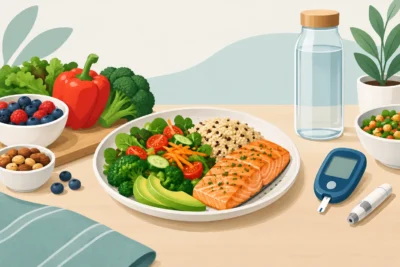
Build meals around fiber-rich vegetables, protein, and minimally processed foods. For example, pair eggs with vegetables instead of toast and juice, or choose grilled chicken, beans, and a large salad instead of a fried entrée with fries. Carbohydrates can still fit into a diabetes-friendly eating pattern, but portions and food quality matter. Beans, plain Greek yogurt, berries, steel-cut oats, and sweet potatoes tend to provide more nutrition and fiber than sugary drinks, pastries, candy, or refined grains.
If you use insulin or glucose-lowering medication, do not make major diet changes without discussing them with your prescribing clinician. Eating fewer carbohydrates may lower your medication needs and can raise the risk of low blood sugar if doses are not adjusted.
Get serious about blood pressure
Many people pay close attention to glucose but overlook blood pressure. That is a mistake when kidney protection is the goal. High blood pressure can damage kidney blood vessels even when you do not feel it.
If you have a home monitor, check your pressure as directed by your clinician and record the readings. Take measurements after sitting quietly for a few minutes, with your feet on the floor and your arm supported. A single high reading is not always an emergency, but consistently elevated readings deserve a prompt conversation with your care team.
Food choices help here too. Reduce heavily salted packaged foods, fast food, deli meats, canned soups, and salty snacks. Cook more meals at home when possible, season food with herbs, lemon, vinegar, garlic, pepper, and spices, and read labels for sodium. If you have established kidney disease, do not automatically use salt substitutes. Many contain potassium, which may be unsafe for some people with reduced kidney function.
Eat for kidney protection without extreme rules
A natural-first approach does not mean chasing a restrictive cleanse or taking large doses of supplements. Your kidneys already handle the work of filtering waste. The practical goal is to reduce what makes their job harder.
Choose mostly whole foods, drink water regularly, and limit alcohol. If you have no fluid restriction from your clinician, water is usually the best everyday choice. Sugary sodas, sweet tea, energy drinks, and large fruit juices can raise blood sugar quickly. Alcohol can also disrupt glucose control, especially when taken without food or alongside diabetes medicines.
Protein deserves a balanced approach. Protein is useful for preserving muscle and staying full, but very high-protein diets may not be appropriate for someone with kidney disease. If your kidney tests are normal, moderate portions of fish, poultry, eggs, tofu, Greek yogurt, and beans can fit well. If you have reduced eGFR or albumin in your urine, ask a registered dietitian or kidney clinician how much protein is right for you.
Be cautious with herbal products marketed as kidney cleanses, detox teas, or diabetes cures. “Natural” does not always mean safe. Some ingredients can affect blood sugar, blood pressure, potassium levels, or medications. Bring every supplement bottle to appointments so your care team can review it.
Move your body and protect your circulation
Regular activity helps the kidneys indirectly by improving insulin sensitivity, supporting weight loss when needed, lowering blood pressure, and improving circulation. You do not need punishing workouts to benefit.
A brisk 10- to 15-minute walk after meals is a strong place to start, especially if you are new to exercise. Gradually work toward at least 150 minutes of moderate activity per week if your healthcare professional says it is safe. Add simple strength work two or three days a week, such as chair squats, resistance bands, wall push-ups, or light dumbbells. Muscle tissue uses glucose well, which can make daily blood sugar management easier.
If you have numbness in your feet, severe eye disease, chest pain, dizziness, or advanced kidney disease, get individualized exercise guidance first. The right plan depends on your health history.
Medication safety matters, too
Some medications protect the kidneys for certain people with diabetes, especially those with albumin in the urine or reduced kidney function. Others may need dose adjustments as kidney function changes. This is why keeping up with testing and appointments matters.
Never stop diabetes medicine, blood pressure medicine, or a prescribed kidney-protective medication on your own. Also ask before using nonsteroidal anti-inflammatory drugs, known as NSAIDs, such as ibuprofen or naproxen frequently. These medicines can be hard on the kidneys, particularly during dehydration, illness, or when combined with certain blood pressure medications.
Call your clinician if you have vomiting, diarrhea, fever, cannot keep fluids down, or notice a major change in urination. During illness, you may need specific instructions for medications and glucose monitoring.
Your next small step counts
You do not have to overhaul your life by Monday morning. Schedule your kidney labs, replace one sugary drink with water, take a walk after dinner, or check your blood pressure this week. Small actions repeated consistently can protect more than a lab number. They can help preserve your energy, independence, and options for the years ahead.
Important notice: The content of Diabetes Cure Now is solely educational and informational and does not replace the evaluation, diagnosis, or treatment of a doctor or health professional. Before making changes to your diet, exercise, or medication, consult with a qualified professional..
Content reviewed for educational purposes and based on public medical sources.
Sources consulted
- American Diabetes Association (ADA)
- Mayo Clinic
- CDC
- NIH
12 Diabetic Recipes That Keep Meals Balanced

How to Start Walking With Diabetes Safely

10 Healthy Soups for Diabetics That Satisfy
Do Chia Seeds for Blood Sugar Really Help?

How to Reduce Dawn Phenomenon Naturally
Is Fruit Safe for Diabetes? What to Know

How to Walk After Meals for Better Blood Sugar
Portion Control Diabetes Guide for Steady Blood Sugar