
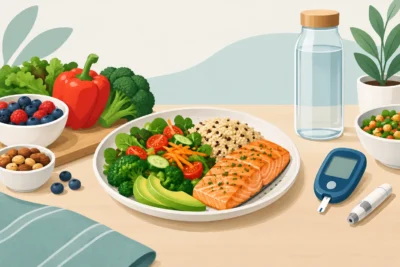
Is Fruit Safe for Diabetes? What to Know


A banana at breakfast, berries after dinner, an apple in the afternoon - fruit is often the food people with diabetes feel most unsure about. Many people search for “is fruit safe diabetes” after being told to watch sugar, then wonder whether all sweet foods belong off the table. They do not.
For most people with Type 2 diabetes or prediabetes, whole fruit can fit into a blood-sugar-conscious eating plan. The key is not treating fruit as a free food or a forbidden food. It is learning which forms of fruit work best for your body, how much to eat at one time, and what to pair with it.
What you\'ll find in this article?
Is fruit safe for diabetes?
Yes, whole fruit is generally safe for diabetes when eaten in sensible portions as part of a balanced meal plan. Fruit contains natural sugars, but it also provides fiber, water, vitamins, minerals, and plant compounds that support overall health.
The fiber matters. It slows how quickly food moves through digestion, which can help prevent the faster blood sugar rise you might see after candy, soda, juice, or pastries. An orange and orange juice may come from the same fruit, but your body handles them very differently. The whole orange has chewing, water, and fiber. Juice delivers concentrated sugar quickly and is easy to overconsume.
That said, “natural” does not automatically mean unlimited. A very large serving of fruit can still raise blood glucose, especially if eaten alone when you are hungry. Your medication, activity level, sleep, stress, current glucose control, and individual response all influence the result.

Whole fruit beats juice most of the time
If your goal is steadier blood sugar, choose fruit in its closest-to-nature form: fresh, frozen, or unsweetened canned fruit. Frozen berries, for example, are convenient, affordable, and just as useful as fresh ones when no sugar has been added.
Fruit juice is the biggest exception. Even 100% juice can cause a rapid glucose rise because the fiber has largely been removed. A small glass of juice may contain the sugar from several pieces of fruit without making you feel full. Smoothies can create a similar problem when they contain multiple servings of fruit, juice, sweetened yogurt, honey, or dates.
Dried fruit deserves attention too. Raisins, dried cranberries, dates, and dried mango are not automatically off-limits, but the portion is much smaller than most people expect. Because water is removed, the sugars and calories are concentrated. A handful can quickly become several servings.
Best fruits for steadier blood sugar
No single fruit is perfect for everyone, but fruits with plenty of fiber and a lower sugar load per typical serving are often easier to manage. Berries are a strong choice because they are flavorful, fiber-rich, and relatively low in sugar. Apples, pears, peaches, plums, oranges, grapefruit, kiwi, and cherries can also work well.
Melon, pineapple, mango, grapes, and bananas can fit too. They are not “bad” fruits. They simply may require more awareness of portion size because they are easy to eat in larger amounts or may raise glucose more noticeably for some people.

Instead of creating a strict good-fruit versus bad-fruit list, pay attention to your own meter or continuous glucose monitor if you use one. Check your blood sugar before eating and again about one to two hours afterward, following the testing plan your clinician recommends. Patterns are more useful than fear. If a certain fruit consistently causes a large spike, try a smaller serving, pair it with protein, or choose it after a meal rather than by itself.
A realistic serving size matters
One serving of fruit usually contains about 15 grams of carbohydrate, though sizes vary. Think one small apple, one small orange, one cup of berries, one cup of cubed melon, or half a large banana. For grapes, a serving is often around 17 small grapes.
You do not need to measure forever, but measuring for a week or two can reset your visual estimate. Large restaurant fruit cups, oversized bananas, and heaping bowls of grapes can quietly turn one serving into two or three.
Pair fruit with protein or healthy fat
Fruit by itself can be a satisfying snack, but pairing it with protein, fat, or both may help slow digestion and improve fullness. This is a practical way to reduce the urge to keep snacking an hour later.
Try an apple with natural peanut butter, berries with plain Greek yogurt, a pear with a small handful of nuts, or sliced peaches with cottage cheese. At breakfast, add berries to eggs or unsweetened yogurt instead of relying on fruit alone with cereal or toast.
The goal is not to make food complicated. It is to avoid building snacks around quick carbohydrates only. A piece of fruit plus protein is usually more supportive for blood sugar than fruit juice, crackers, or a packaged snack bar.
When fruit may need extra caution
There are times when a more individualized approach is smart. If your fasting glucose is consistently high, your A1C is above target, or you are newly changing diabetes medication, your carbohydrate tolerance may be lower for now. Fruit can still have a place, but portions and timing deserve closer attention.
People using insulin or medicines that can cause low blood sugar should not make major dietary changes without guidance. Fruit may be useful for treating a low blood sugar episode, but the right choice and amount are different from an everyday snack. Follow the plan given by your healthcare professional.
Also consider the rest of the meal. A bowl of fruit after a balanced dinner may affect you differently than the same bowl after pancakes, syrup, and sweet coffee. Your total carbohydrate load matters more than judging one food in isolation.
Simple ways to make fruit work for you
Start by choosing whole fruit instead of juice most days. Keep washed apples, oranges, or berries where you can see them, and portion grapes or cut melon into containers rather than eating from a large bag or bowl.
Use fruit to replace a higher-sugar choice, not simply as an extra carbohydrate added on top of your usual snacks. If dessert is part of your routine, a bowl of berries with plain yogurt may be a better starting point than cookies or ice cream. You can still enjoy favorite foods occasionally, but everyday choices shape your glucose trends.
It also helps to eat fruit at consistent times while you learn your response. Have a measured serving with breakfast or as an afternoon snack paired with nuts or cheese. Track how you feel: energy, hunger, cravings, and blood sugar readings all offer useful feedback.
Fruit is part of the bigger picture
Fruit will not cancel out a high-sugar diet, and avoiding fruit alone will not solve insulin resistance. Better blood sugar control comes from the full pattern: balanced meals, regular movement, quality sleep, stress management, weight loss when appropriate, and taking prescribed medications as directed.
But fruit does not need to be the enemy. For many people, it is a satisfying, nutrient-dense food that makes a healthier eating pattern easier to sustain. Start with whole fruit, keep portions realistic, pair it wisely, and let your own blood sugar response guide the next step.
Important notice: The content of Diabetes Cure Now is solely educational and informational and does not replace the evaluation, diagnosis, or treatment of a doctor or health professional. Before making changes to your diet, exercise, or medication, consult with a qualified professional..
Content reviewed for educational purposes and based on public medical sources.
Sources consulted
- American Diabetes Association (ADA)
- Mayo Clinic
- CDC
- NIH
12 Diabetic Recipes That Keep Meals Balanced
Diabetic Kidney Health Guide for Daily Protection

How to Start Walking With Diabetes Safely
10 Healthy Soups for Diabetics That Satisfy
Do Chia Seeds for Blood Sugar Really Help?

How to Reduce Dawn Phenomenon Naturally

How to Walk After Meals for Better Blood Sugar
Portion Control Diabetes Guide for Steady Blood Sugar