
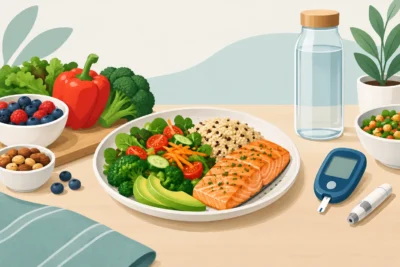
Best Diabetic Friendly Sweeteners for Blood Sugar


A packet of sweetener can seem like a small choice, but it can shape your blood sugar habits all day long. The best diabetic friendly sweeteners can help you cut back on added sugar without making coffee, oatmeal, or an occasional homemade dessert feel off-limits. Still, “sugar-free” does not automatically mean blood-sugar-friendly, natural, or helpful for weight management.
The goal is not to replace one intense sweet taste with another in every meal. It is to choose sweeteners that have little to no effect on glucose for most people, use them in realistic amounts, and keep your overall eating pattern centered on minimally processed foods.
What you\'ll find in this article?
What Makes a Sweetener Diabetes-Friendly?
A diabetes-friendly sweetener generally has little effect on blood glucose and insulin, contains few or no digestible carbohydrates, and does not add a large calorie load. But there is another part of the equation: how your body tolerates it.
Some options cause gas, bloating, or diarrhea when used heavily. Others are commonly mixed with ingredients that can raise blood sugar, such as maltodextrin, dextrose, or regular sugar. That means the ingredient label matters more than marketing claims on the front of a package.
Your personal response also matters. If you use a continuous glucose monitor or check with a meter, test a new product as part of a normal meal. Look for patterns rather than judging a sweetener by one reading. Sleep, stress, activity, meal size, and medication can all affect the result.

The Best Diabetic Friendly Sweeteners to Consider
Stevia
Stevia is made from the leaves of the stevia plant and is one of the most widely used zero-calorie sweeteners. Highly purified stevia extracts, often listed as steviol glycosides or rebiana, usually have little to no direct impact on blood glucose.
It works well in coffee, tea, yogurt, smoothies, and many baked goods. The main drawback is taste. Some people notice a bitter or licorice-like aftertaste, especially when they use too much. Start small, since stevia is much sweeter than sugar.
Check the label carefully. A stevia packet may contain added fillers for volume, and some blends use dextrose or other carbohydrate-based ingredients. A liquid stevia product or a blend with erythritol may be a lower-carb choice, depending on your digestion.
Monk Fruit Extract
Monk fruit, also called luo han guo, is another plant-based sweetener that provides intense sweetness without the sugar content of table sugar. Its sweetness comes from compounds called mogrosides, which generally do not raise blood glucose.
For many people, monk fruit has a cleaner taste than stevia. It can be useful in coffee, sauces, dressings, and low-sugar baking. Pure monk fruit extract is very concentrated, so most retail products are blended with erythritol, allulose, or another sweetener to make measuring easier.

That is not necessarily a problem, but it changes how the product works in your kitchen and how your stomach may respond. Read the full ingredient list instead of assuming every monk fruit product is the same.
Allulose
Allulose is a rare sugar that tastes and behaves more like regular sugar than stevia or monk fruit. It has very few calories and typically has a minimal effect on blood glucose. It can caramelize, brown, and add bulk in recipes, making it especially useful when you want a more traditional texture in baked goods or homemade sauces.
Its biggest trade-off is digestive tolerance. Larger servings can cause stomach discomfort or loose stools for some people. Begin with a small portion, especially if you are using it in a recipe that contains several servings.
Allulose is also less sweet than sugar, so recipes may need a little more of it to reach the same sweetness level. That can make it more expensive, but many people find the taste worth it.
Erythritol
Erythritol is a sugar alcohol with very few calories and little to no effect on blood glucose for most people. It is commonly used in sugar-free gum, low-carb snacks, drink mixes, and sweetener blends because it adds bulk and a sugar-like texture.
Compared with other sugar alcohols, erythritol is often easier on digestion in modest amounts. Still, it can cause bloating or discomfort, particularly when eaten in large quantities. It also creates a cooling sensation in the mouth that some people dislike in drinks or frosting.
You may have seen headlines about research linking high blood levels of erythritol with cardiovascular risk. Those studies do not prove that using erythritol causes heart disease, but they are a reasonable reminder not to rely heavily on any packaged sugar-free product. Use it as an occasional tool, not as a reason to turn candy, cookies, and sweet drinks into daily staples.
Sucralose and Aspartame
Sucralose and aspartame are low-calorie sweeteners that typically do not raise blood glucose directly. They can be practical options when they help you move away from regular soda, sweet tea, or heavily sugared coffee drinks.
However, they are highly processed, and some people prefer to limit them because of taste, digestive concerns, or the way frequent sweetness keeps cravings active. Sucralose may also be less suitable for high-heat cooking. If a non-nutritive sweetener is helping you reduce sugar right now, that can be a useful step. Over time, aim to make plain water, unsweetened tea, and naturally flavored foods part of your normal routine too.
Sweeteners That Need More Caution
Not every sugar substitute is equally blood-sugar-friendly. Maltitol is a common problem ingredient in sugar-free candy and baked goods. It is a sugar alcohol, but it can raise blood sugar more than erythritol or allulose and can cause significant digestive upset.
Honey, maple syrup, coconut sugar, agave, and date sugar may sound more natural than white sugar, but they are still concentrated sources of sugar. They can raise blood glucose and should not be treated as free foods for Type 2 diabetes or prediabetes.
Xylitol has less effect on blood sugar than regular sugar, but it can upset the stomach and is extremely dangerous to dogs. If you keep xylitol products at home, store them carefully away from pets.
How to Use Sweeteners Without Stalling Your Progress
The best results come from using sweeteners strategically. Add one to coffee if it helps you skip several teaspoons of sugar. Use a small amount in plain Greek yogurt with berries instead of buying sweetened yogurt. Choose it for a homemade dessert that includes protein, fiber, and a sensible portion.
At the same time, watch for the “health halo” around sugar-free foods. A sugar-free cookie can still be made with refined flour, unhealthy fats, and enough calories to interfere with weight goals. Blood sugar management improves most when meals emphasize vegetables, protein, fiber-rich carbs, healthy fats, movement, and portions that work for your body.
If you take insulin or medications that can cause low blood sugar, do not use a zero-calorie sweetener to treat a low. Fast-acting glucose, juice, or regular sugar is needed for hypoglycemia. Talk with your clinician or diabetes educator if you are adjusting your diet while taking glucose-lowering medication.
A Simple Way to Choose at the Store
When comparing sweeteners, turn the package around. Look first for the primary sweetening ingredient, then check total carbohydrates per serving and scan for fillers such as dextrose, maltodextrin, or maltitol. Consider whether you will use it in a drink, in baking, or only occasionally.
For everyday coffee or tea, stevia or monk fruit may be enough. For recipes where texture matters, allulose or a carefully tolerated erythritol blend can work better. If you are just beginning to reduce sugar, the best choice is often the one you can use consistently without triggering cravings or digestive problems.
You do not need perfection to improve your numbers. Pick one regular source of added sugar this week, replace it with a better option or a less-sweet alternative, and pay attention to how your energy, cravings, and blood glucose respond.
Important notice: The content of Diabetes Cure Now is solely educational and informational and does not replace the evaluation, diagnosis, or treatment of a doctor or health professional. Before making changes to your diet, exercise, or medication, consult with a qualified professional..
Content reviewed for educational purposes and based on public medical sources.
Sources consulted
- American Diabetes Association (ADA)
- Mayo Clinic
- CDC
- NIH
12 Diabetic Recipes That Keep Meals Balanced
Diabetic Kidney Health Guide for Daily Protection
How to Start Walking With Diabetes Safely
10 Healthy Soups for Diabetics That Satisfy
Do Chia Seeds for Blood Sugar Really Help?

How to Reduce Dawn Phenomenon Naturally
Is Fruit Safe for Diabetes? What to Know
How to Walk After Meals for Better Blood Sugar