
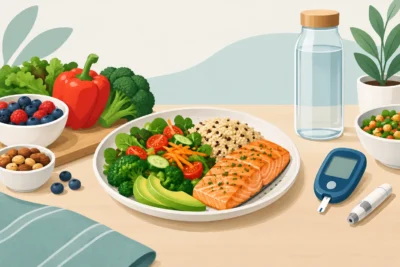
How to Lower A1C With Food: Practical Steps


A1C can feel like a report card on the past few months, and that can be frustrating when you are ready for change now. The encouraging part is that learning how to lower A1C with food gives you something powerful to work on every day: your next meal. You do not need a perfect diet or expensive specialty foods. You need a repeatable way to eat that reduces blood sugar spikes, supports a healthier weight when needed, and feels realistic enough to continue.
A1C reflects your average blood sugar over roughly two to three months. Food is not the only factor that affects it - medication, movement, sleep, illness, stress, and genetics matter too - but meals can make a major difference. Consistent food choices can improve daily readings first, followed by a meaningful shift in A1C over time.
What you\'ll find in this article?
Start With the Foods That Raise Blood Sugar Fast
Carbohydrates break down into glucose, so they have the most immediate effect on blood sugar. That does not mean all carbohydrates are off-limits. It means the type, amount, and context of the carbohydrate matter.
Highly processed carbohydrates tend to raise blood sugar quickly because they are low in fiber and easy to digest. Think sweetened drinks, candy, pastries, chips, white bread, regular soda, sweet tea, sugary coffee drinks, and large servings of white rice or pasta. These foods can fit into life occasionally, but eating them often makes it harder to bring A1C down.
A more useful question than “Can I eat carbs?” is “Which carbs give my body more nutrition with a slower rise in blood sugar?” Beans, lentils, vegetables, plain Greek yogurt, berries, apples, steel-cut oats, and modest servings of intact whole grains are usually stronger choices than refined snack foods.

Portion size still matters. Even nutritious foods such as brown rice, fruit, whole-grain bread, and oatmeal can raise blood sugar when the serving is large. Start by reducing the portion rather than declaring a food forbidden. This approach is often easier to sustain and less likely to lead to cravings later.
Build Meals That Keep Blood Sugar Steadier
One of the simplest ways to lower A1C with food is to stop eating carbohydrates by themselves whenever possible. A banana alone may raise blood sugar more quickly than a banana paired with a handful of nuts or plain Greek yogurt. The protein, fat, and fiber help slow digestion and can soften the rise.
Use a simple plate structure at lunch and dinner: fill about half your plate with non-starchy vegetables, one quarter with protein, and one quarter with a high-fiber carbohydrate if you want one. This is not a rigid rule. It is a visual tool that makes balanced portions easier without counting every gram.
Non-starchy vegetables include leafy greens, broccoli, cauliflower, cabbage, green beans, zucchini, mushrooms, asparagus, peppers, and cucumbers. They provide volume and fiber for relatively few carbohydrates. Protein choices can include eggs, chicken, turkey, fish, tofu, tempeh, cottage cheese, or lean cuts of meat.
Healthy fats also have a place. Avocado, nuts, seeds, olives, and olive oil can make meals more satisfying, which may help you avoid grazing on crackers or sweets later. They are calorie-dense, however, so a small portion goes a long way if weight loss is also one of your goals.

A Breakfast Change That Often Helps
Many common breakfasts are built around sugar and refined flour: cereal, pastries, toast with jam, flavored oatmeal packets, and sweetened coffee. For some people, these meals lead to a high morning reading and hunger again by midmorning.
Try shifting breakfast toward protein and fiber. Eggs with vegetables, plain Greek yogurt with berries and chia seeds, cottage cheese with sliced tomato, or a vegetable omelet are practical options. If you enjoy oatmeal, choose plain oats, keep the serving moderate, and add walnuts, cinnamon, and protein on the side instead of brown sugar or syrup.
You do not have to eat the same breakfast forever. The goal is to find two or three options that keep you full and make your blood sugar easier to manage.
Choose Fiber More Often
Fiber slows the movement of food through the digestive system and supports a more gradual blood sugar response. It can also help with fullness, cholesterol, and regularity. Most adults fall short, especially when meals are built around packaged foods.
The strongest food sources of fiber include vegetables, beans, lentils, berries, chia seeds, flaxseed, nuts, and minimally processed whole grains. Beans deserve special attention. They contain carbohydrates, but they also provide protein and fiber, making them a smart swap for part of the rice, potatoes, or pasta on your plate.
Increase fiber gradually and drink enough water. Going from very little fiber to a large amount overnight can cause bloating or discomfort. A practical first step is adding one cup of vegetables to lunch and dinner, then replacing one refined snack with fruit and nuts or vegetables with hummus.
Watch Liquid Sugar and “Healthy” Sugar Sources
Drinks can quietly work against your A1C goals because they deliver sugar quickly without helping you feel full. Regular soda, juice, sweet tea, sports drinks, energy drinks, and flavored coffee beverages are common trouble spots.
Fruit juice is a frequent source of confusion. It may contain vitamins, but it lacks much of the fiber found in whole fruit. An orange is generally a better blood-sugar choice than orange juice because chewing the whole fruit slows you down and the fiber changes the way your body handles it.
Water, sparkling water, unsweetened tea, and coffee without sugary add-ins are dependable everyday choices. If plain water feels boring, add lemon, lime, cucumber, or berries for flavor. Small changes in what you drink can lower daily sugar intake without making meals feel restrictive.
Use Your Glucose Readings as Feedback
No single food plan works exactly the same way for everyone. A bowl of oatmeal may work well for one person and push another person’s blood sugar higher than expected. If you use a glucose meter or continuous glucose monitor, your readings can show you what your own body is telling you.
Ask your healthcare professional when to check, since individual targets vary. Many people check before a meal and again about one to two hours after starting it. Keep a simple note of the meal, portion size, and reading. Patterns become clearer after several days.
Do not judge yourself over one high number. Use it as information. Maybe the portion was too large, the meal needed more protein or vegetables, or you were stressed and sleeping poorly. Then make one adjustment and test again another day.
Make Dinner and Snacking Work for You
Late-night eating can be a problem when it becomes a routine of large portions, desserts, or refined snacks in front of a screen. If you are genuinely hungry, choose a snack that includes protein or fiber, such as a boiled egg, a small handful of almonds, celery with peanut butter, plain yogurt, or vegetables with hummus.
For dinner, focus on simple meals you can repeat: grilled chicken with roasted vegetables and beans; salmon with broccoli and a small baked sweet potato; turkey chili with a side salad; or a stir-fry loaded with vegetables and served over cauliflower rice or a modest portion of brown rice. The best plan is not the most complicated plan. It is the one you can make on a busy Tuesday.
Food Changes Need Medication Awareness
If you take insulin or medications that can cause low blood sugar, such as sulfonylureas, changing your diet may lower your glucose more than expected. Do not stop or reduce medication on your own. Talk with your prescribing clinician, especially if you begin seeing readings below your target range or have symptoms such as shakiness, sweating, confusion, or dizziness.
Food-based strategies are a strong foundation for Type 2 diabetes and prediabetes, but they are not a promise of a cure for every person. Some people need medication alongside lifestyle changes, and using it when medically necessary is part of protecting your health. The goal is progress, safer blood sugar, and a plan you can keep.
Your next meal is a fresh opportunity, not a test you can fail. Choose one change you are willing to repeat this week - skip the sugary drink, add vegetables to dinner, or pair carbohydrates with protein - and let that small action become proof that your numbers can move in a healthier direction.
Important notice: The content of Diabetes Cure Now is solely educational and informational and does not replace the evaluation, diagnosis, or treatment of a doctor or health professional. Before making changes to your diet, exercise, or medication, consult with a qualified professional..
Content reviewed for educational purposes and based on public medical sources.
Sources consulted
- American Diabetes Association (ADA)
- Mayo Clinic
- CDC
- NIH
12 Diabetic Recipes That Keep Meals Balanced
Diabetic Kidney Health Guide for Daily Protection

How to Start Walking With Diabetes Safely
10 Healthy Soups for Diabetics That Satisfy
Do Chia Seeds for Blood Sugar Really Help?

How to Reduce Dawn Phenomenon Naturally
Is Fruit Safe for Diabetes? What to Know
How to Walk After Meals for Better Blood Sugar