
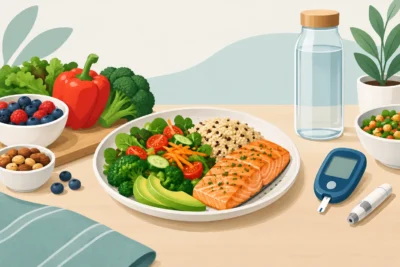
Metformin Versus Lifestyle Changes for Blood Sugar


A new Type 2 diabetes or prediabetes diagnosis can make it feel as if you have to choose one path: take medication or fix your habits. But metformin versus lifestyle changes is not always an either-or decision. The better question is which approach gives you the safest, strongest, and most sustainable improvement for your current blood sugar, health history, and daily life.
Metformin can lower blood sugar and is one of the most widely used medications for Type 2 diabetes. Lifestyle changes can address major drivers of insulin resistance, including excess body fat, inactivity, poor sleep, and a diet built around highly processed carbohydrates. Both can help. They simply work in different ways, on different timelines.
What you\'ll find in this article?
Metformin vs. Lifestyle Changes: The Core Difference
Metformin is a prescription medication that mainly reduces the amount of glucose your liver releases into the bloodstream. It can also help the body respond better to insulin. For many people, it lowers A1C by about 1 percentage point, although individual results vary. It generally does not cause low blood sugar when taken by itself, and it is often weight-neutral or linked with modest weight loss.
Lifestyle changes work more broadly. Losing even a modest amount of weight, becoming more active, improving food quality, and sleeping better can improve insulin sensitivity throughout the body. For some people with prediabetes or early Type 2 diabetes, these changes can bring blood sugar back into a healthier range. Others may need lifestyle action plus medication to reach their goals safely.
The biggest difference is this: metformin can help manage blood sugar while you are taking it. Lifestyle habits can improve the underlying conditions that push blood sugar up in the first place. That does not make medication a failure or lifestyle change a quick cure. It means each tool has a distinct role.

When Metformin May Be the Right First Step
Metformin is commonly recommended soon after a Type 2 diabetes diagnosis, especially when A1C or fasting blood sugar is well above target. Starting medication can reduce the time your body spends exposed to high glucose, which matters because prolonged high blood sugar can damage blood vessels, nerves, kidneys, and eyes.
It may also be a useful option for people with prediabetes who have a higher risk of progressing to diabetes. That can include adults with very high fasting glucose, a history of gestational diabetes, or substantial excess weight. Your clinician will consider your lab results, age, kidney function, other medications, and overall risk.
Metformin has trade-offs. Nausea, loose stools, gas, and stomach discomfort are common when first starting it, though taking it with food and increasing the dose gradually can help. Extended-release versions may be easier on the stomach for some people. Long-term use can also contribute to low vitamin B12 levels, so periodic monitoring may be appropriate.
Metformin is not suitable for everyone. People with significantly reduced kidney function, certain serious illnesses, or conditions that increase the risk of lactic acidosis need individualized medical guidance. Never stop, start, or change a diabetes medication without speaking with the clinician who manages your care.
Why Lifestyle Changes Often Deliver More Lasting Gains
Lifestyle action asks more of you up front, but it can create benefits that reach far beyond one glucose reading. Better food choices and regular movement can lower blood sugar, support weight loss, improve blood pressure and triglycerides, increase energy, and reduce the risk of heart disease.

For Type 2 diabetes, weight loss can be especially powerful when excess body fat is contributing to insulin resistance. Some people who lose a meaningful amount of weight and sustain those changes can achieve diabetes remission, meaning their blood sugar reaches a non-diabetes range without glucose-lowering medication for a period of time. Remission is not guaranteed, and blood sugar can rise again if weight returns or insulin production continues to decline. Still, it is a realistic goal worth discussing with your healthcare team.
Food changes do not require starvation or a perfect diet. A practical starting point is to build meals around non-starchy vegetables, protein, healthy fats, and high-fiber carbohydrates in portions your body tolerates well. Replacing soda, sweet tea, juice, pastries, white bread, and oversized portions of rice or pasta often makes a noticeable difference quickly.
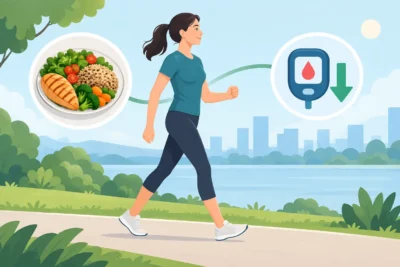
Movement helps muscles use glucose for energy. A 10- to 15-minute walk after meals can reduce post-meal blood sugar spikes, even before major weight loss occurs. Strength training is equally valuable because more active muscle tissue gives your body another place to store and use glucose.
Sleep and stress deserve attention too. Short sleep, untreated sleep apnea, and chronic stress can raise blood sugar through hormonal changes and make cravings harder to manage. If you are doing everything right with food but your glucose remains stubbornly high, these factors may be part of the picture.
Can You Use Metformin and Lifestyle Changes Together?
For many adults, combining metformin with lifestyle changes is the most practical and effective route. Medication can help bring high blood sugar down while you build routines that support long-term metabolic health. This approach can reduce the pressure to make extreme changes overnight.
Think of metformin as support, not permission to ignore the habits that affect diabetes. A medication cannot fully cancel out frequent sugary drinks, long periods of sitting, poor sleep, or an eating pattern that keeps glucose elevated. At the same time, needing medication does not mean you have failed at healthy living. Diabetes is influenced by genetics, age, body weight, stress, sleep, and how much insulin the pancreas can still make.
If your numbers improve, your clinician may be able to adjust your treatment plan. Some people reduce medications after sustained weight loss and better glucose control. Others continue metformin because it remains beneficial and well tolerated. The goal is not to win a contest between natural strategies and medication. The goal is fewer high readings, a healthier A1C, and a lower risk of complications.
How to Decide What You Need Now
Your current blood sugar levels should guide the urgency of your plan. If your fasting glucose or A1C is significantly elevated, delaying medical treatment while trying a new diet alone may not be the safest choice. Ask your clinician what your personal targets are and when you should recheck your labs.
If you have prediabetes or early Type 2 diabetes, a focused lifestyle trial may be appropriate, with regular monitoring to see whether it is working. Keep track of fasting readings, post-meal readings if recommended, weight, waist measurement, and energy levels. The A1C test reflects roughly the previous three months, so it is a useful checkpoint rather than a daily report card.
Start with changes that are simple enough to repeat. You do not need a punishing routine. You need habits that can survive a busy workday, a family dinner, and an occasional setback. Four high-impact actions are:
- Remove sugary drinks and make water, sparkling water, or unsweetened tea your default.
- Walk after one or two meals each day, then gradually work toward at least 150 minutes of weekly activity.
- Center meals on protein and vegetables before adding starches.
- Set a consistent bedtime and ask about sleep apnea if you snore, wake unrefreshed, or feel sleepy during the day.
The Bottom Line for Your Blood Sugar
Metformin can be a valuable, evidence-based tool for lowering blood sugar, particularly when levels are high or diabetes risk is substantial. Lifestyle changes remain the foundation because they can improve insulin resistance, body weight, heart health, and daily well-being in ways medication alone cannot match.
You do not have to wait until you feel perfectly motivated to take action. Choose one change you can begin today, monitor your progress, and work with your healthcare team to build a plan that protects your health now while giving your body the best chance to improve over time.
Important notice: The content of Diabetes Cure Now is solely educational and informational and does not replace the evaluation, diagnosis, or treatment of a doctor or health professional. Before making changes to your diet, exercise, or medication, consult with a qualified professional..
Content reviewed for educational purposes and based on public medical sources.
Sources consulted
- American Diabetes Association (ADA)
- Mayo Clinic
- CDC
- NIH
12 Diabetic Recipes That Keep Meals Balanced
Diabetic Kidney Health Guide for Daily Protection
How to Start Walking With Diabetes Safely

10 Healthy Soups for Diabetics That Satisfy
Do Chia Seeds for Blood Sugar Really Help?

How to Reduce Dawn Phenomenon Naturally
Is Fruit Safe for Diabetes? What to Know
How to Walk After Meals for Better Blood Sugar