
How to Build a Diabetic Plate That Works


Most blood sugar struggles do not start with one “bad” food. They start with a plate that is too heavy on starch, too light on fiber, and missing enough protein to keep you steady. If you are trying to figure out how to build diabetic plate meals that actually help, the goal is not perfection. The goal is a simple meal pattern you can repeat without feeling deprived.
A well-built plate can help reduce blood sugar spikes, support weight loss, and make eating feel less confusing. That matters whether you have Type 2 diabetes, prediabetes, or you are simply trying to stop your numbers from creeping higher. The best part is that this approach works with regular grocery store foods and does not require special products.
What you\'ll find in this article?
How to build a diabetic plate step by step
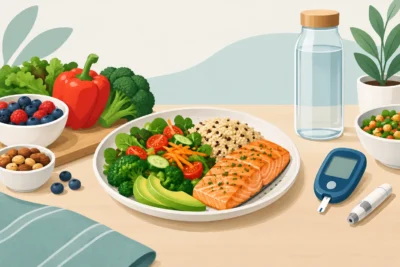
The easiest way to build a balanced plate is to think in sections. Picture a standard dinner plate. Fill half of it with non-starchy vegetables, one quarter with lean protein, and one quarter with smart carbohydrates. Then add a small amount of healthy fat if your meal needs it.
This method works because it naturally lowers the total carb load of your meal while adding the nutrients that slow digestion. When digestion slows down, glucose enters the bloodstream more gradually. That often means fewer sharp spikes and fewer crashes afterward.
Start with half the plate as non-starchy vegetables
This is the foundation of the plate, not the side dish. Non-starchy vegetables add volume, fiber, vitamins, and minerals without loading your meal with fast-digesting carbs. They help you feel satisfied, which makes it easier to eat less of the foods that tend to raise blood sugar quickly.

Good choices include broccoli, spinach, green beans, cauliflower, zucchini, cucumbers, mushrooms, asparagus, cabbage, lettuce, peppers, and Brussels sprouts. Fresh, frozen, and even low-sodium canned options can all work.
If vegetables feel boring, the fix is usually preparation. Roast them with olive oil, saute them with garlic, toss them into soups, or use a salad with a flavorful homemade dressing. A diabetic-friendly plate should be practical enough that you will keep using it.
Add a quarter plate of protein
Protein helps stabilize a meal. It slows the speed at which carbohydrates are absorbed and helps you stay full longer. That can make a big difference if you tend to snack soon after eating or struggle with cravings.
Strong options include chicken breast, turkey, eggs, fish, tuna, salmon, shrimp, tofu, tempeh, lean ground turkey, cottage cheese, and plain Greek yogurt. Beans and lentils also provide protein, though they contain more carbs than animal proteins, so portion size matters.
The right amount depends on your size, goals, and activity level, but for many adults, a palm-sized serving is a useful visual. If you are trying to lose weight or preserve muscle as you age, getting enough protein at each meal becomes even more important.

Use the last quarter for quality carbohydrates
Carbs are not the enemy, but type and portion matter. A diabetic plate is not about removing every carb from your life. It is about choosing slower-digesting carbs that come with fiber and nutrients, then keeping the serving reasonable.
Better choices include sweet potato, brown rice, quinoa, oats, beans, lentils, whole fruit, and whole grain pasta in modest portions. White bread, sugary cereal, fries, pastries, and large servings of white rice can raise blood sugar much faster for many people.
This is where some trial and error comes in. Two people can eat the same carb portion and get different glucose responses. If you check your blood sugar, you may notice that oatmeal works well for you while rice does not, or that berries are easier on your numbers than bananas. That is useful feedback, not failure.
Add healthy fat without overdoing it
Healthy fat makes meals more satisfying and can support steadier energy. A little goes a long way. Too much fat at once can make a healthy meal very calorie-dense, which may work against weight loss if that is one of your goals.
Avocado, olive oil, olives, nuts, seeds, and natural nut butter are solid choices. If your protein already contains fat, like salmon or eggs, you may not need much extra. This is one of those areas where balance matters more than rules.
What a diabetic plate looks like in real life
Theory helps, but real meals are what move your health forward. Breakfast could be eggs with sauteed spinach and mushrooms, plus a small bowl of berries and a slice of whole grain toast. Lunch might be grilled chicken over a large salad with cucumbers, peppers, and olive oil dressing, plus a small serving of quinoa. Dinner could be baked salmon, roasted broccoli, and half a sweet potato.
You can also adapt familiar meals. Taco night can still work if you build your plate around lettuce, peppers, salsa, and lean meat, then keep rice or tortillas to a moderate portion. A pasta dinner becomes more blood sugar-friendly when you cut the pasta serving, add grilled chicken, and double the non-starchy vegetables.
That flexibility is important. If a plan feels too strict, most people stop following it. A workable diabetic plate should fit your culture, budget, and routine.
Common mistakes when building a diabetic plate
One common mistake is treating healthy carbs as unlimited. Brown rice is still rice. Whole grain bread can still raise blood sugar if you eat several slices at once. The label “healthy” does not remove the need for portion awareness.
Another mistake is skipping protein, especially at breakfast. A bagel, cereal, or toast-heavy breakfast may seem light, but it can send blood sugar up quickly and leave you hungry again soon. Even a simple change like adding eggs or Greek yogurt can make a meal far more balanced.
People also underestimate sauces, dressings, and drinks. Sweet tea, soda, juice, flavored coffee drinks, and sugary sauces can quietly add a lot of fast carbs. Sometimes the plate looks fine, but the beverage is the bigger problem.
Finally, be careful with “diabetic” packaged foods. Some are useful, but many are highly processed and expensive. In most cases, whole foods do a better job.
How to build diabetic plate meals when eating out
Restaurants often serve oversized portions, which makes blood sugar control harder. Still, you can make the plate method work almost anywhere.
Look for a meal with a clear protein, ask for extra vegetables, and reduce the starch if needed. For example, order grilled fish with double vegetables and a smaller portion of rice or potato. If the meal arrives carb-heavy, you do not have to clean the plate. Eating half and saving the rest is often the smarter move.
Fast food is trickier, but not impossible. A burger without the top bun, a side salad instead of fries, grilled chicken, and unsweetened drinks can be a much better choice than the standard combo meal. Progress counts, even when the options are not perfect.
It depends on your body, medications, and goals
The plate method is a strong starting point, but your best version may look slightly different. Someone who is very active may tolerate more carbs. Someone trying to lower A1C quickly may do better with fewer starches for a while. If you take insulin or glucose-lowering medication, meal timing and carb amount can matter even more.
This is where paying attention helps. Notice how you feel after meals. Track energy, cravings, and blood sugar if you monitor it. The plate you build should support your numbers, but it should also support your real life.
For some people, fruit works beautifully. For others, it needs tighter portions. Beans may be a great carb choice if they do not push your glucose too high. There is no prize for forcing foods that do not work well for your body.
Simple habits that make the plate work better
A good plate is powerful, but habits around the plate matter too. Eating slowly gives your body time to register fullness. Starting with vegetables and protein before starches may help reduce a glucose surge. Walking for 10 to 15 minutes after a meal can also support better blood sugar control.
Sleep, stress, and consistency matter more than many people realize. A balanced dinner can still lead to a rough morning if you slept poorly and spent the day under stress. That does not mean the plate failed. It means blood sugar is affected by more than one thing.
At Diabetes Cure Now, the most useful nutrition advice is usually the kind you can keep doing next week, not just today. That is why the diabetic plate works so well. It gives structure without turning every meal into a math problem.
If you want better blood sugar, build your next plate with intention, not guesswork. One balanced meal will not change everything overnight, but repeated daily choices can change far more than most people think.
Important notice: The content of Diabetes Cure Now is solely educational and informational and does not replace the evaluation, diagnosis, or treatment of a doctor or health professional. Before making changes to your diet, exercise, or medication, consult with a qualified professional..
Content reviewed for educational purposes and based on public medical sources.
Sources consulted
- American Diabetes Association (ADA)
- Mayo Clinic
- CDC
- NIH
12 Diabetic Recipes That Keep Meals Balanced

Diabetic Kidney Health Guide for Daily Protection

How to Start Walking With Diabetes Safely

10 Healthy Soups for Diabetics That Satisfy
Do Chia Seeds for Blood Sugar Really Help?

How to Reduce Dawn Phenomenon Naturally

Is Fruit Safe for Diabetes? What to Know

How to Walk After Meals for Better Blood Sugar