
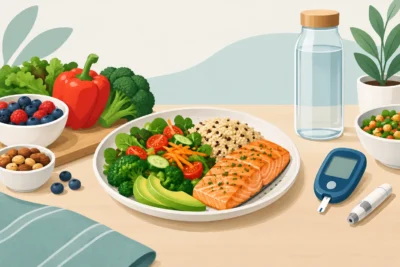
12 Best Breakfast Ideas for Diabetics to Try


Morning blood sugar can set the tone for the rest of your day. A sweet coffee drink, pastry, or oversized bowl of cereal may cause a fast rise followed by hunger and cravings. The best breakfast ideas for diabetics do the opposite: they combine protein, fiber, and satisfying fats to help you feel full while supporting steadier glucose levels.
Breakfast does not need to be complicated, expensive, or completely carb-free. The goal is to choose carbohydrates that digest more slowly, keep portions realistic, and pair them with foods that give your body more staying power. Small choices at 7 a.m. can make it easier to manage energy, appetite, and blood sugar all day.
What you\'ll find in this article?
- What Makes a Diabetes-Friendly Breakfast?
-
12 Best Breakfast Ideas for Diabetics
- 1. Vegetable Egg Scramble
- 2. Plain Greek Yogurt With Berries and Seeds
- 3. Avocado and Egg Toast
- 4. Overnight Chia Pudding
- 5. Savory Cottage Cheese Bowl
- 6. Oatmeal With Protein and Fiber
- 7. Breakfast Burrito in a Low-Carb Wrap
- 8. Smoked Salmon Plate
- 9. Tofu and Vegetable Skillet
- 10. Peanut Butter Apple Slices With Eggs
- 11. Leftover Dinner Bowl
- 12. Protein Smoothie Without Added Sugar
- Breakfast Habits That Make a Real Difference
- Check Your Personal Response
What Makes a Diabetes-Friendly Breakfast?
A strong breakfast starts with a source of protein, such as eggs, plain Greek yogurt, cottage cheese, tofu, fish, or leftover chicken. Protein helps curb hunger and can reduce the urge to snack on refined carbohydrates later in the morning.
Next, add fiber-rich foods. Vegetables, berries, chia seeds, beans, and minimally processed whole grains digest more gradually than sugary cereals, white toast, muffins, and fruit juice. Healthy fats from avocado, nuts, seeds, and olive oil can also make a meal more filling.
Carbohydrate needs vary from person to person. Some people do well with a modest serving of oats or whole-grain toast, while others see better readings with a lower-carb breakfast centered on eggs and vegetables. Your glucose meter or continuous glucose monitor can help you learn which meals work best for your body.

12 Best Breakfast Ideas for Diabetics
1. Vegetable Egg Scramble
Scramble two eggs with spinach, mushrooms, bell peppers, onions, or zucchini. Add a small amount of cheese if you enjoy it, and cook with olive oil or avocado oil. This is a simple, low-carb choice with plenty of protein and volume.
If you want carbohydrates with your meal, add one slice of sprouted or whole-grain toast. Avoid assuming that every bread labeled “multigrain” is a healthy choice. Check for whole grains and look for minimal added sugar.
2. Plain Greek Yogurt With Berries and Seeds
Choose unsweetened plain Greek yogurt, then add a small handful of blueberries, raspberries, or strawberries. Top it with chia seeds, ground flaxseed, walnuts, or almonds. You get protein, fiber, and natural sweetness without the sugar load of flavored yogurt cups.
Read labels carefully. Many fruit-on-the-bottom yogurts contain as much added sugar as a dessert. If plain yogurt tastes too tart at first, use cinnamon, vanilla extract, and berries rather than honey or syrup.
3. Avocado and Egg Toast
Mash avocado onto one slice of dense whole-grain or sprouted bread, then top it with a poached, fried, or hard-boiled egg. Add tomato slices, red pepper flakes, or everything-bagel seasoning for flavor.

This option includes carbohydrates, so portion size matters. For many people, one slice is enough. Pairing the bread with egg and avocado slows digestion better than eating toast with jam.
4. Overnight Chia Pudding
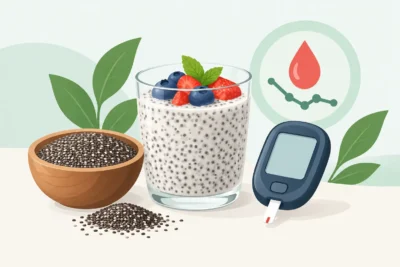
Mix chia seeds with unsweetened milk, such as dairy milk or an unsweetened almond or soy option. Let it sit overnight, then add cinnamon, a few berries, and chopped nuts in the morning. Chia seeds absorb liquid and create a pudding-like texture while providing fiber and healthy fats.
This works especially well for busy mornings because breakfast is ready before you wake up. Skip sweetened plant milks and premade chia puddings that may contain added sugars.
5. Savory Cottage Cheese Bowl
Cottage cheese is a convenient protein source that works well beyond fruit bowls. Try it with cucumber, cherry tomatoes, sliced avocado, black pepper, and pumpkin seeds. You can also add herbs or a spoonful of salsa.
Choose a lower-sodium option if high blood pressure is a concern. Cottage cheese can be a smart choice, but sodium levels vary significantly by brand.
6. Oatmeal With Protein and Fiber
Old-fashioned or steel-cut oats can fit into a diabetes-friendly eating plan when portions are controlled. Cook a modest serving and stir in chia seeds, peanut butter, walnuts, and cinnamon. Add berries for sweetness instead of brown sugar, maple syrup, or dried fruit.
Instant flavored oatmeal packets are usually a different story. They are often highly processed and sweetened. Oats may raise blood sugar more than eggs or yogurt for some people, so check your response rather than relying on a one-size-fits-all rule.
7. Breakfast Burrito in a Low-Carb Wrap
Fill a low-carb or high-fiber wrap with scrambled eggs, black beans, peppers, onions, avocado, and salsa. Beans provide fiber and plant protein, while the eggs make the meal more satisfying.
Be mindful of the wrap’s ingredients and sodium content. Some low-carb wraps are useful, while others are heavily processed and may cause digestive discomfort. If wraps do not work for you, turn the same ingredients into a breakfast bowl.
8. Smoked Salmon Plate
Serve smoked salmon with sliced cucumber, tomatoes, avocado, and a hard-boiled egg. If desired, add a small portion of whole-grain crackers or a slice of rye toast. This breakfast is rich in protein and healthy fats and requires almost no cooking.
Because smoked salmon can be high in sodium, this is best rotated with other options instead of eaten every day, particularly if you have hypertension or kidney concerns.
9. Tofu and Vegetable Skillet
For a plant-based breakfast, crumble firm tofu into a skillet with turmeric, garlic, spinach, tomatoes, mushrooms, and peppers. Turmeric adds a yellow color similar to scrambled eggs, while nutritional yeast can provide a savory flavor.
Add avocado or a side of berries to round out the meal. This is an excellent option for people who want more plant protein without relying on sweet breakfast foods.
10. Peanut Butter Apple Slices With Eggs
Pair apple slices with natural peanut butter and one or two hard-boiled eggs. The apple provides crunch and fiber, while peanut butter and eggs balance the meal with fat and protein.
Keep peanut butter portions reasonable because calories add up quickly. Choose a product made mainly from peanuts and salt, without added sugar or hydrogenated oils.
11. Leftover Dinner Bowl
There is no rule saying breakfast must include cereal, toast, or pancakes. Leftover grilled chicken, roasted vegetables, and a spoonful of beans can make a balanced breakfast in minutes. Add an egg or avocado if you need more staying power.
This approach can be especially helpful if traditional breakfast foods trigger high readings. A savory meal with protein and vegetables may give you a calmer start than a bowl of cereal ever did.
12. Protein Smoothie Without Added Sugar
Blend unsweetened Greek yogurt or protein powder with unsweetened milk, spinach, chia seeds, ice, and a small serving of berries. A smoothie can be convenient, but it should be thick and balanced rather than mostly fruit.
Avoid fruit juice, sweetened yogurt, flavored syrups, and large amounts of banana, mango, or pineapple. Liquid calories are easy to consume quickly, and even nutritious ingredients can raise glucose when portions become too large.
Breakfast Habits That Make a Real Difference
What you drink matters as much as what you eat. Water, unsweetened tea, or coffee without sugary creamers are usually better choices than juice, sweet tea, energy drinks, and flavored coffee beverages. Orange juice may seem healthy, but it delivers concentrated sugar without the fiber of a whole orange.
Try eating at a consistent time if skipping breakfast leads you to overeat later. However, not everyone needs breakfast immediately after waking. If you are experimenting with a later first meal, pay attention to your energy, medication schedule, and glucose readings.
A short walk after breakfast can also help your muscles use circulating glucose. Even 10 to 15 minutes of movement can become a practical part of a lifestyle-based plan for improving insulin sensitivity.
Check Your Personal Response
The healthiest-looking meal is not automatically the best choice for your blood sugar. Oatmeal may work well for one person and cause a larger-than-expected spike for another. The same can be true for whole-grain bread, fruit, dairy, and low-carb packaged foods.
When trying a new breakfast, check your blood sugar before eating and again at the time recommended by your healthcare professional. Record what you ate, the portion size, and how you felt afterward. This creates useful information you can act on instead of guessing.
If you use insulin or medications that can cause low blood sugar, do not make major carbohydrate cuts without discussing them with your clinician. Food changes can be powerful, but medication needs may change as your eating patterns, weight, and activity level improve.
A better breakfast is not about chasing perfection. Choose one meal you can repeat this week, make it satisfying enough to prevent cravings, and let your morning routine become one more way you take control of your health.
Important notice: The content of Diabetes Cure Now is solely educational and informational and does not replace the evaluation, diagnosis, or treatment of a doctor or health professional. Before making changes to your diet, exercise, or medication, consult with a qualified professional..
Content reviewed for educational purposes and based on public medical sources.
Sources consulted
- American Diabetes Association (ADA)
- Mayo Clinic
- CDC
- NIH
12 Diabetic Recipes That Keep Meals Balanced
Diabetic Kidney Health Guide for Daily Protection
How to Start Walking With Diabetes Safely
10 Healthy Soups for Diabetics That Satisfy
Do Chia Seeds for Blood Sugar Really Help?

How to Reduce Dawn Phenomenon Naturally
Is Fruit Safe for Diabetes? What to Know
How to Walk After Meals for Better Blood Sugar