
10 Foods That Increase Insulin Sensitivity


A bowl of sweetened cereal can raise blood sugar quickly, then leave you hungry again before lunch. A breakfast built around eggs, vegetables, and berries usually creates a very different response. That difference matters when you are working to improve insulin resistance. Choosing foods that increase insulin sensitivity is not about finding one miracle ingredient. It is about giving your body fewer blood sugar spikes and more of the nutrients that help insulin do its job.
Insulin is the hormone that helps move glucose from your bloodstream into your cells for energy. When cells become less responsive to it, the pancreas has to produce more insulin to keep blood sugar under control. Over time, this pattern can lead to prediabetes, Type 2 diabetes, weight gain around the midsection, and rising A1C levels.
Food cannot replace prescribed diabetes treatment, and no food instantly reverses insulin resistance. But the meals you repeat most often can make a meaningful difference. These choices work best alongside regular movement, quality sleep, stress management, and a plan from your healthcare professional.
What you\'ll find in this article?
How foods improve insulin sensitivity
The most helpful foods tend to do several things at once: they provide fiber, protein, healthy fats, or plant compounds; they digest more slowly; and they replace refined carbohydrates that can push glucose up fast. This does not mean you must avoid every carbohydrate. It means choosing carbohydrates that come with fiber and nutrition, then watching portions.
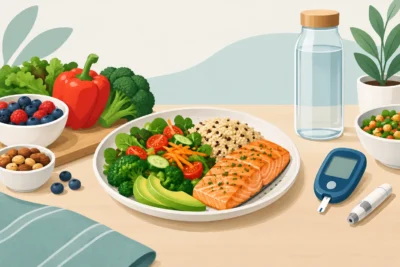
For many people, a practical plate is half non-starchy vegetables, one-quarter protein, and one-quarter high-fiber carbohydrates or starchy vegetables. Your personal response can vary, especially if you use insulin or medications that lower blood sugar. Checking glucose before and after new meals can turn general advice into information that is useful for your body.

10 foods that increase insulin sensitivity
1. Leafy greens and non-starchy vegetables
Spinach, kale, collard greens, broccoli, cauliflower, zucchini, peppers, mushrooms, and green beans are low in digestible carbohydrates but high in fiber, water, vitamins, and protective plant nutrients. They add volume to meals without adding a large glucose load.
Make vegetables the base of lunch and dinner rather than a small side dish. Try sautéed greens with eggs, broccoli with grilled chicken, or a large salad with salmon and olive oil. Watch bottled dressings and sauces, which can add more sugar than expected.
2. Beans and lentils
Black beans, chickpeas, kidney beans, lentils, and split peas provide a powerful combination of plant protein and soluble fiber. They generally raise blood sugar more slowly than white bread, fries, or many processed grain products.
Portion still matters. Start with about one-half cup as part of a meal, especially if beans are new to your routine or cause digestive discomfort. Rinsing canned beans can reduce sodium, while cooking dried beans gives you more control over added ingredients.
3. Oats and other intact whole grains
Steel-cut oats, old-fashioned oats, barley, quinoa, and brown or wild rice contain more fiber than refined grains. Oats and barley are especially known for beta-glucan, a soluble fiber that can support healthier cholesterol and more gradual digestion.

The trade-off is that whole grains are still carbohydrates. A large bowl of oatmeal topped with brown sugar, honey, and dried fruit can raise glucose significantly. Keep the serving reasonable and add walnuts, chia seeds, cinnamon, or plain Greek yogurt instead of sweet toppings.
4. Berries
Blueberries, strawberries, raspberries, and blackberries offer sweetness with more fiber and fewer carbohydrates per serving than many other fruits. Their deep colors come from natural plant compounds that may support metabolic and heart health.
Fresh or unsweetened frozen berries are the better choice. Fruit juice, berry-flavored yogurt, and sweetened smoothie blends do not have the same blood sugar effect. Pair berries with cottage cheese, plain yogurt, or a handful of nuts to make the snack more filling.
5. Nuts and seeds
Almonds, walnuts, pistachios, chia seeds, flaxseed, and pumpkin seeds provide healthy fats, fiber, magnesium, and some protein. Magnesium is especially relevant because low magnesium intake is common in people with Type 2 diabetes and may be connected with poorer insulin action.
Nuts are calorie-dense, so a small handful is enough. Choose plain or dry-roasted versions when possible. Adding ground flax or chia to oatmeal, yogurt, or a smoothie is an easy way to boost fiber without changing the meal dramatically.
6. Fatty fish
Salmon, sardines, trout, mackerel, and herring provide protein without carbohydrates, plus omega-3 fats that support heart health. Heart protection matters because diabetes and insulin resistance can raise cardiovascular risk.
Fish does not directly cancel out a high-sugar diet, but replacing processed meats or breaded fried foods with fish is a smart move. Aim for baked, grilled, or canned fish packed in water or olive oil rather than heavily sweetened sauces.
7. Plain Greek yogurt and other protein-rich dairy
Plain Greek yogurt, cottage cheese, and kefir can be satisfying sources of protein. When they are unsweetened, they can fit well into a blood sugar-friendly eating plan and may help reduce the urge to snack on refined carbohydrates later.
Read labels carefully. Many flavored yogurts contain as much added sugar as a dessert. If dairy causes digestive problems or does not work for you, use unsweetened soy yogurt or focus on other protein options such as eggs, tofu, fish, poultry, and beans.
8. Avocados and extra-virgin olive oil
Avocados and olive oil supply mostly unsaturated fats, which can help make meals more satisfying and support heart health when used in place of butter, processed meats, or refined snack foods. They also make vegetables easier to enjoy regularly.
Use olive oil on roasted vegetables or salads, and add avocado to eggs, tacos, or grain bowls. These foods are healthy, but they are not unlimited foods. A few slices of avocado or one to two tablespoons of oil is usually plenty for a meal.
9. Eggs
Eggs are affordable, versatile, and naturally low in carbohydrates. They can help create a breakfast that does not start the day with a sharp glucose rise, particularly when compared with pastries, sweet coffee drinks, or sugary cereal.
For a balanced meal, combine eggs with vegetables and a modest portion of high-fiber carbohydrates if desired. An omelet with spinach and mushrooms, plus berries on the side, will usually serve your blood sugar better than toast and jam alone.
10. Cinnamon, garlic, and vinegar-based foods
These are not stand-alone treatments, but they can make healthier eating more enjoyable. Cinnamon can add flavor to oats and yogurt without sugar. Garlic, herbs, and spices make vegetables and proteins satisfying without relying on sweet sauces. Vinegar-based dressings may modestly slow the blood sugar response to a meal for some people.
Use these foods as helpful additions, not as permission to eat large portions of refined carbohydrates. If you take blood sugar-lowering medication, avoid high-dose cinnamon supplements unless your clinician says they are appropriate.
What to reduce while adding better foods
Insulin sensitivity improves more easily when helpful foods replace the items that repeatedly push blood sugar higher. The biggest problems for many adults are sugary drinks, sweetened coffee beverages, candy, pastries, white bread, large portions of white rice, chips, and heavily processed snacks.
You do not have to change everything overnight. Start by replacing one daily high-sugar choice. Swap soda for sparkling water, replace a pastry breakfast with eggs and fruit, or trade a large serving of white rice for beans and extra vegetables. Small changes become powerful when they happen every day.
Turn these foods into a simple day of eating
A realistic day might begin with plain Greek yogurt, berries, chia seeds, and walnuts. Lunch could be a large salad with chicken, chickpeas, vegetables, and olive oil vinaigrette. For dinner, choose salmon with roasted broccoli and a modest serving of lentils or quinoa.
If you snack, reach for nuts, vegetables with hummus, cottage cheese, or berries instead of crackers and sweets. The goal is not perfection. The goal is to build meals that keep you full, steady, and in control rather than trapped in a cycle of cravings and glucose spikes.
If you use insulin, sulfonylureas, or another medication that can cause low blood sugar, changing your carbohydrate intake may require medication adjustments. Talk with your prescribing clinician and monitor your readings closely. Your next meal is a practical chance to support your body, and that chance comes around several times every day.
Important notice: The content of Diabetes Cure Now is solely educational and informational and does not replace the evaluation, diagnosis, or treatment of a doctor or health professional. Before making changes to your diet, exercise, or medication, consult with a qualified professional..
Content reviewed for educational purposes and based on public medical sources.
Sources consulted
- American Diabetes Association (ADA)
- Mayo Clinic
- CDC
- NIH
12 Diabetic Recipes That Keep Meals Balanced
Diabetic Kidney Health Guide for Daily Protection

How to Start Walking With Diabetes Safely
10 Healthy Soups for Diabetics That Satisfy
Do Chia Seeds for Blood Sugar Really Help?

How to Reduce Dawn Phenomenon Naturally
Is Fruit Safe for Diabetes? What to Know
How to Walk After Meals for Better Blood Sugar