
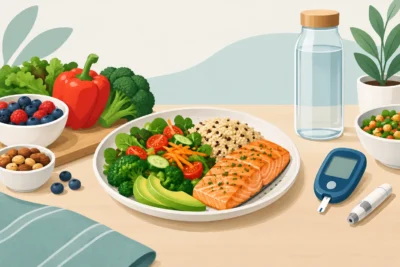
Blood Sugar Support Tea Review


When a product promises better blood sugar control in a tea bag, it deserves a closer look. This blood sugar support tea review is for people who are tired of vague claims and want to know one thing - can a tea like this realistically help, or is it just clever wellness marketing?
For many adults with prediabetes or Type 2 diabetes, tea feels like a simple place to start. It is low effort, familiar, and easier to stick with than a complicated supplement routine. But blood sugar support teas sit in a tricky category. Some use ingredients with modest research behind them, while others lean hard on buzzwords and hope. The smart approach is to look at what is actually in the blend, what the evidence says, and what kind of results are reasonable to expect.
What you\'ll find in this article?
- Blood sugar support tea review: what this product category is really offering
- What to check before you trust the label
- Ingredient quality matters more than hype
- What the evidence actually supports
- Who may benefit most from a blood sugar support tea
- Blood sugar support tea review: pros, limits, and deal-breakers
- How to use a tea like this without fooling yourself
- Final verdict
Blood sugar support tea review: what this product category is really offering
Most products sold as blood sugar support tea are herbal blends marketed to help maintain healthy glucose levels, reduce sugar cravings, or support metabolism. They often include ingredients such as cinnamon, gymnema, bitter melon, green tea, fenugreek, banaba, ginger, or licorice root. Some formulas are caffeine-free, while others rely on green or black tea as the base.
That mix matters because these teas are not drugs and should not be expected to work like one. A tea may support healthier habits, help replace sugary drinks, and deliver small amounts of plant compounds linked to glucose metabolism. What it probably will not do is produce dramatic blood sugar changes on its own, especially if the rest of your routine is working against you.
That is not bad news. It is actually useful news. If you see tea as a support tool instead of a fix, you are much less likely to waste money or ignore the bigger levers that improve blood sugar - food choices, body weight, movement, sleep, and consistency.

What to check before you trust the label
A strong blood sugar support tea review should start with the ingredient panel, not the marketing headline. If the label hides behind a proprietary blend without telling you how much of each herb is included, that is a red flag. Some herbs are only studied at doses much higher than what you would get from a cup of tea.
Cinnamon is a good example. It is one of the most common ingredients in blood sugar formulas, and some research suggests it may offer mild support for glucose control in certain people. But the results are mixed, and the amount in tea is often quite small. Gymnema and bitter melon are also popular, with some early evidence behind them, yet tea form may deliver less than capsules or concentrated extracts.
You should also watch for ingredients that may not fit your health situation. Licorice root can affect blood pressure. Certain herbal blends may interact with diabetes medications and increase the risk of blood sugar dropping too low. If a product acts like natural automatically means risk-free, that is not a sign of a trustworthy brand.
A decent formula usually does three things well. It lists ingredients clearly, avoids overblown promises, and gives simple directions that make sense for real life. If the product claims to reverse diabetes, replace medication, or work without any lifestyle changes, move on.
Ingredient quality matters more than hype
The best teas in this category tend to be straightforward. You want recognizable herbs, a clean ingredient list, and no unnecessary fillers, artificial sweeteners, or sugary add-ins. That sounds basic, but many wellness products lose credibility fast once you read the back of the package.

Taste matters too, and not just for comfort. If a tea is so bitter that you need to add sugar or honey to drink it, the product is working against your goal. The most useful blood sugar support tea is one you can drink regularly without turning it into dessert.
There is also a difference between a tea that supports your routine and one that creates false confidence. A pleasant cinnamon-ginger blend may help you swap out soda or sweet coffee drinks, which is a meaningful win. But if the same product makes you think you can keep eating high-sugar meals with no consequences, that is where disappointment starts.
What the evidence actually supports
The honest answer is that evidence for blood sugar support tea is mixed and usually modest. Certain ingredients found in these teas have shown potential in small studies or traditional use, but most products are blends, and the finished tea itself often has not been studied as a complete formula.
Green tea may support metabolic health and insulin sensitivity for some people, especially when used consistently as part of a healthier diet. Cinnamon may offer mild blood sugar benefits in some cases, though findings are inconsistent. Fenugreek, bitter melon, and gymnema are interesting ingredients, but results vary based on dose, preparation, and the person using them.
That means expectations should stay realistic. You might notice better hydration, fewer sweet drink cravings, and maybe a small improvement in your daily routine. You might not see any measurable blood sugar change at all unless the tea is part of a broader effort that includes lower-carb meals, regular walking, and weight loss if needed.
For readers of Diabetes Cure Now, that is the key point. The natural-first path works best when each tool supports the next one. Tea can be part of that strategy, but it is not the strategy.
Who may benefit most from a blood sugar support tea
This kind of product often makes the most sense for people with prediabetes, mild blood sugar instability, or a habit of drinking sweet beverages throughout the day. In those cases, the benefit may come as much from what the tea replaces as from the herbs themselves.
Someone trying to curb late-night snacking may find that a warm herbal tea helps create a stopping point after dinner. A person who usually reaches for sweetened iced tea, juice, or flavored coffee may improve glucose control simply by replacing those drinks with an unsweetened herbal option. That is not glamorous, but it is effective.
On the other hand, if you already have significantly elevated blood sugar, take glucose-lowering medication, or are struggling with symptoms such as fatigue, excessive thirst, or frequent urination, tea should not be your main plan. It can still be part of your routine, but you need a fuller approach and likely medical guidance.
Blood sugar support tea review: pros, limits, and deal-breakers
The upside of these teas is clear. They are easy to use, usually affordable compared with supplements, and can help build healthier habits with very little friction. For many people, a daily tea ritual creates structure, and structure is one of the most underrated tools in blood sugar control.
The downside is just as clear. Potency is often limited, research on complete blends is thin, and labels can overpromise. Some teas also rely on caffeine, which may not work well for people who are sensitive to stimulants or who already deal with stress-related blood sugar swings.
The biggest deal-breaker is dishonest marketing. If a company uses miracle language, hides ingredient amounts, or suggests the tea can reverse diabetes by itself, that is enough reason to pass. A useful product should fit inside a real health plan, not pretend to replace one.
How to use a tea like this without fooling yourself
If you want to try a blood sugar support tea, use it with a simple test mindset. Drink it consistently for two to four weeks, preferably around the same time each day, and keep the rest of your routine stable. If you monitor your blood sugar at home, pay attention to trends rather than one random reading.
Also ask practical questions. Does it help you avoid sugary drinks? Does it reduce cravings? Does it make it easier to stay on track after dinner? Those benefits count. Better habits often show up before better numbers.
Just do not let the tea become a distraction from the basics that move the needle most. Build meals around protein, fiber, and minimally processed carbs. Walk after meals when you can. Improve sleep. Lose excess weight if that is part of your picture. Those steps do more for blood sugar than any tea ever will.
Final verdict
A blood sugar support tea can be a helpful add-on, especially if it replaces sweet drinks and helps you stay consistent with healthier choices. It is not a cure, not a shortcut, and not a substitute for the daily actions that improve insulin sensitivity over time. If you choose one with transparent ingredients and realistic claims, it may earn a place in your routine. Just let it support your progress, not stand in for it.
Important notice: The content of Diabetes Cure Now is solely educational and informational and does not replace the evaluation, diagnosis, or treatment of a doctor or health professional. Before making changes to your diet, exercise, or medication, consult with a qualified professional..
Content reviewed for educational purposes and based on public medical sources.
Sources consulted
- American Diabetes Association (ADA)
- Mayo Clinic
- CDC
- NIH
12 Diabetic Recipes That Keep Meals Balanced
Diabetic Kidney Health Guide for Daily Protection

How to Start Walking With Diabetes Safely
10 Healthy Soups for Diabetics That Satisfy
Do Chia Seeds for Blood Sugar Really Help?

How to Reduce Dawn Phenomenon Naturally
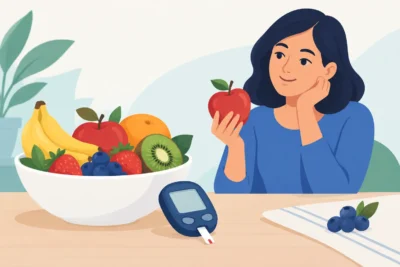
Is Fruit Safe for Diabetes? What to Know
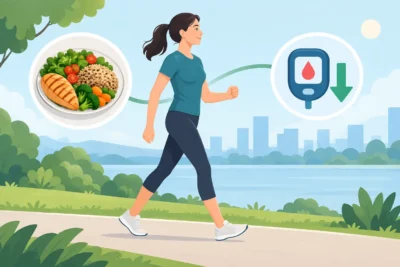
How to Walk After Meals for Better Blood Sugar