
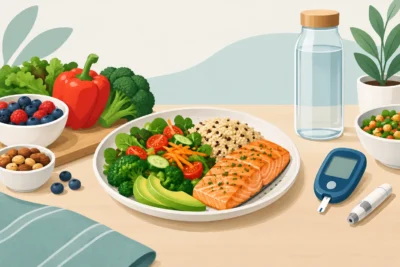
How to Lower A1C Naturally and Safely


If your last A1C result came back higher than you expected, that number can feel like a warning shot. The good news is that learning how to lower A1C naturally often starts with a few daily habits that have a bigger impact than most people realize. For many adults with prediabetes or Type 2 diabetes, consistent changes in food, movement, sleep, and weight can begin shifting blood sugar in the right direction.
A1C reflects your average blood sugar over about the last two to three months. It is not a perfect snapshot of every high and low, but it does show the bigger pattern. That makes it useful. If your A1C is elevated, your body is spending too much time with more glucose in the bloodstream than it should, and over time that raises the risk of nerve damage, kidney disease, vision problems, heart disease, and more.
The encouraging part is that A1C is not fixed. It responds to what you do repeatedly. Natural improvement does not mean using random remedies or hoping for quick fixes. It means using proven lifestyle actions that help your body handle glucose better.
What you\'ll find in this article?
- How to lower A1C naturally starts with your plate
- Walking after meals can lower blood sugar fast
- Losing even a little weight can improve A1C
- Sleep and stress affect blood sugar too
- Natural remedies can support progress, but they are not the foundation
- Track the habits that actually move your numbers
How to lower A1C naturally starts with your plate
Food has the fastest day-to-day effect on blood sugar, so this is where many people see their first wins. The biggest mistake is focusing only on sugar while ignoring the total carbohydrate load and the overall quality of meals. White bread, chips, sweet drinks, pastries, large bowls of rice, and oversized pasta portions can all send blood sugar up quickly, even if they do not taste especially sweet.
A better approach is to build meals around protein, fiber, and foods that digest more slowly. Eggs, Greek yogurt, chicken, fish, cottage cheese, tofu, beans, lentils, nuts, and seeds can help you feel full and reduce the urge to graze on high-carb foods later. Non-starchy vegetables such as broccoli, green beans, leafy greens, peppers, cauliflower, zucchini, and cucumbers add volume without spiking blood sugar.

This does not mean carbs are off limits. It means the type and amount matter. Some people do well with modest portions of berries, beans, quinoa, oats, or sweet potato, especially when eaten with protein and healthy fat. Others need to be stricter for a while to bring blood sugar down. It depends on your starting point, how insulin resistant you are, your activity level, and how your body responds.
One simple method is to picture your plate with half non-starchy vegetables, a quarter protein, and the remaining quarter from higher-fiber carbs if you tolerate them well. Drinking water instead of soda, sweet tea, juice, or fancy coffee drinks can also make a surprising difference.
Why meal timing matters more than many people think
Many people trying to lower A1C naturally focus on what they eat but overlook when they eat. Constant snacking keeps insulin elevated and gives blood sugar fewer chances to settle. If you are eating every couple of hours, especially processed snacks, your body may stay in a pattern of repeated glucose spikes.
For some people, three balanced meals with little or no snacking works better than grazing all day. Others benefit from an earlier dinner and avoiding late-night eating, when blood sugar control is often worse. You do not need an extreme fasting plan to see results. Simply creating more structure around meals can help.
Walking after meals can lower blood sugar fast
If there were one underrated habit for blood sugar control, it would be walking. A short walk after meals helps your muscles use glucose for energy, which can reduce the post-meal spike that drives A1C higher over time. This is especially helpful after your biggest meal or after eating more carbs than usual.

You do not need a gym membership or a brutal workout. Even 10 to 20 minutes of walking after lunch or dinner can help. Consistency matters more than intensity at first. For people who have been inactive, starting with daily walks is often more realistic and more sustainable than jumping into a hard exercise program.
That said, adding resistance training is also powerful. Muscle tissue helps improve insulin sensitivity, which means your body can move glucose out of the bloodstream more effectively. Two or three strength sessions per week, using body weight, resistance bands, or weights, can support lower A1C over time.
Losing even a little weight can improve A1C
Many people hear "weight loss" and think they need a total body transformation. They do not. Even modest weight loss can improve insulin resistance and help lower blood sugar. For people carrying extra weight around the abdomen, this can be especially important because belly fat is closely tied to metabolic dysfunction.
This is one reason crash diets tend to disappoint. They may lead to quick changes on the scale, but if the plan is too hard to live with, the weight often comes back. A slower approach built on better meals, fewer liquid calories, regular walking, and improved sleep usually lasts longer and supports more stable glucose control.
If you are wondering how to lower A1C naturally without feeling overwhelmed, this is where to focus. You do not need perfection. You need repeatable habits that you can keep doing next month.
Sleep and stress affect blood sugar too
Blood sugar is not controlled by food alone. Poor sleep and chronic stress can push it higher, sometimes enough to stall progress even when you are eating better. When you are sleep deprived, hunger hormones can shift, cravings get stronger, and your body often becomes less insulin sensitive.
Stress has a similar effect. When stress hormones stay elevated, the liver can release more glucose into the bloodstream. That is one reason some people see higher readings during emotionally difficult periods, even without major diet changes.
Improving sleep hygiene can help more than people expect. Going to bed at a consistent time, cutting back on screens late at night, limiting heavy meals before bed, and reducing evening caffeine can all support better sleep. For stress, the answer does not need to be complicated. A daily walk, breathing exercises, prayer, stretching, journaling, or even ten quiet minutes outside can help calm the nervous system.
Natural remedies can support progress, but they are not the foundation
Many readers searching for how to lower A1C naturally are also curious about supplements and natural remedies. Some ingredients, such as berberine, cinnamon, magnesium, alpha-lipoic acid, or chromium, are often discussed in the blood sugar world. In some cases, they may offer support, especially when a person has a nutrient gap or insulin resistance.
But this is where realism matters. Supplements are not strong enough to overcome a diet built on sugary drinks, oversized portions, and frequent processed snacks. They work best as support, not as the main strategy. Quality also varies widely, and some supplements can interact with medications or lower blood sugar too much when combined with prescription drugs.
If you take diabetes medication or insulin, be careful with anything marketed as a blood sugar booster. Natural does not always mean harmless.
Track the habits that actually move your numbers
People often get discouraged because they are working hard but not measuring the right things. If you want to see whether your plan is helping, track the habits most likely to lower A1C. Pay attention to fasting glucose, post-meal readings if your doctor recommends checking them, waist size, body weight, how often you walk, and how many sugary drinks or high-carb snacks you have cut out.
A1C changes slowly because it reflects a few months of blood sugar patterns. That means your daily choices matter, but it also means you need patience. A better week is good. A better month is where real momentum starts.
When lifestyle change may not be enough on its own
Natural strategies can make a major difference, but not every person can normalize A1C with lifestyle alone, especially if blood sugar is very high or diabetes has been present for years. That is not failure. It is biology. Some people need medication support while they work on weight loss, food quality, and insulin sensitivity.
The goal is not to prove you can do it the hard way. The goal is to protect your health and reduce the risk of complications. Lifestyle changes still matter, whether you use medication or not.
At Diabetes Cure Now, the message is simple: your everyday actions can change the direction of your health. Start with the habits that give the biggest return - fewer refined carbs, more protein and fiber, short walks after meals, better sleep, and gradual weight loss. Your next A1C is being built by what you do today, and small choices repeated often can become life-changing progress.
Important notice: The content of Diabetes Cure Now is solely educational and informational and does not replace the evaluation, diagnosis, or treatment of a doctor or health professional. Before making changes to your diet, exercise, or medication, consult with a qualified professional..
Content reviewed for educational purposes and based on public medical sources.
Sources consulted
- American Diabetes Association (ADA)
- Mayo Clinic
- CDC
- NIH
12 Diabetic Recipes That Keep Meals Balanced
Diabetic Kidney Health Guide for Daily Protection
How to Start Walking With Diabetes Safely

10 Healthy Soups for Diabetics That Satisfy
Do Chia Seeds for Blood Sugar Really Help?

How to Reduce Dawn Phenomenon Naturally
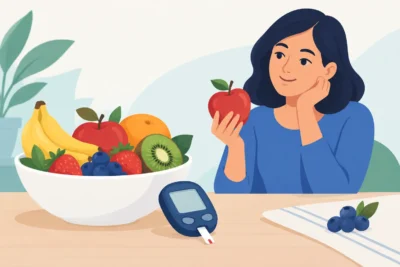
Is Fruit Safe for Diabetes? What to Know
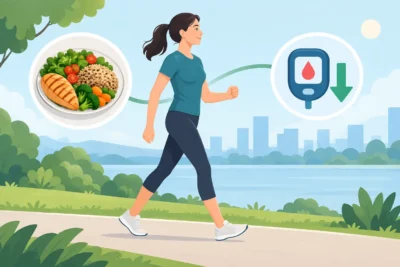
How to Walk After Meals for Better Blood Sugar