
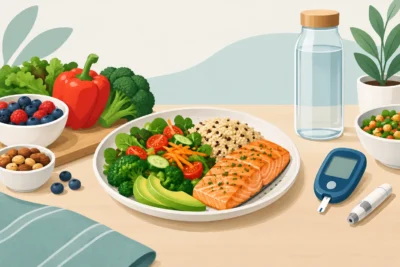
Keto Diet for Diabetics Guide


If your blood sugar spikes after breakfast, crashes by midafternoon, and leaves you wondering whether carbs are helping or hurting, a keto diet for diabetics guide can feel like a lifeline. The interest is easy to understand. Many adults with Type 2 diabetes or prediabetes are looking for a food plan that brings down blood sugar, reduces cravings, and supports weight loss without making daily life harder.
Keto can help some people do exactly that. But it is not automatically safe or effective for everyone, and it works best when you understand what it changes inside your body.
What you\'ll find in this article?
- What is a keto diet for diabetics?
- Why keto may help blood sugar control
- The trade-offs most people do not hear enough about
- Keto diet for diabetics guide: who should be careful?
- What to eat on a keto plan if you have diabetes
- Foods that commonly cause problems
- How to start without shocking your system
- Common mistakes on keto for diabetes
- Is keto better than a regular low-carb diet?
- A practical day of eating
- The smartest way to measure success
What is a keto diet for diabetics?
A ketogenic diet is a very low-carb, high-fat eating pattern designed to shift the body away from using glucose as its main fuel source. When carb intake stays low enough, the liver starts producing ketones from fat. That state is called ketosis.
For someone with Type 2 diabetes, the appeal is straightforward. Fewer carbs usually means fewer post-meal blood sugar spikes. Lower carb intake can also reduce insulin demand, improve insulin sensitivity in some cases, and make it easier to lose excess weight. Since weight loss often improves blood sugar control, keto can create momentum that feels encouraging fast.
That said, keto is not just a low-carb diet. It is a stricter version of carb restriction, and that matters. Some people do well with moderate low-carb eating and do not need to go fully ketogenic to see better glucose numbers.

Why keto may help blood sugar control
When you eat fewer carbohydrates, you usually reduce the biggest driver of rising blood sugar. That can lead to more stable readings throughout the day, especially after meals. Many people also notice less hunger and fewer cravings, which makes it easier to avoid grazing and overeating.
There is also the weight factor. Excess body fat, especially around the abdomen, is closely linked to insulin resistance. If keto helps you consistently eat less and lose weight, your cells may respond better to insulin over time. For some adults, that can mean lower fasting glucose, lower A1C, and less need for medication adjustments down the road.
This is one reason keto gets so much attention in natural blood sugar conversations. It can support several goals at once - lower carbs, fewer sugar swings, and better appetite control.
The trade-offs most people do not hear enough about
The strongest keto success stories often leave out the harder part: staying on it. Cutting carbs very low can feel manageable for a few weeks, but social events, travel, restaurant meals, and family habits can make strict keto tough to maintain.
There is also a difference between using keto strategically and using it carelessly. A keto plan built around processed meats, butter-heavy coffee, and packaged snack foods may lower carbs, but it does not automatically improve overall health. Quality still matters.

Some people also feel fatigued, irritable, constipated, or mentally foggy during the transition. Others find their exercise performance drops, especially with intense workouts. And if you take insulin or blood sugar-lowering medication, sudden carb restriction can increase the risk of hypoglycemia unless your plan is monitored.
Keto diet for diabetics guide: who should be careful?
If you have Type 2 diabetes and want to try keto, the first question is not whether keto works in general. It is whether it fits your body, your medications, and your routine.
People taking insulin, sulfonylureas, or other glucose-lowering drugs need to be especially careful because blood sugar can drop quickly when carbs are reduced. If you have kidney disease, a history of eating disorders, gallbladder problems, or are pregnant, keto may not be the right choice without close medical guidance.
For people with Type 1 diabetes, keto carries added risk because ketosis can be confused with or contribute to dangerous ketoacidosis in the wrong context. That is a very different situation from nutritional ketosis, but the distinction is too serious to handle casually.
What to eat on a keto plan if you have diabetes
The best version of keto for blood sugar is built on whole, nutrient-dense foods. Non-starchy vegetables should do more of the heavy lifting than most people expect. Leafy greens, broccoli, cauliflower, zucchini, green beans, peppers, asparagus, and cucumbers give you fiber and volume without pushing carbs too high.
Protein should be steady, not excessive. Eggs, fish, chicken, turkey, plain Greek yogurt if tolerated, cottage cheese in moderation, tofu, and unprocessed cuts of meat can all fit. Healthy fats can come from avocado, olives, olive oil, nuts, seeds, and fatty fish.
The trap is thinking keto means unlimited bacon, cheese, and keto desserts. Those foods may technically fit the carb goal, but too much processed food can slow progress and leave you feeling worse, not better.
Foods that commonly cause problems
Bread, pasta, rice, cereal, chips, sweets, soda, juice, and most baked goods are the obvious high-carb foods. But some foods marketed as healthy can still raise blood sugar quickly, including granola, flavored yogurt, dried fruit, smoothies, and large servings of oatmeal.
Even on keto, hidden carbs add up. Salad dressings, sauces, coffee drinks, protein bars, and sugar-free products can all contain more carbs than expected. Reading labels becomes part of the process.
How to start without shocking your system
Going from a standard American diet to strict keto overnight can be rough. Some people do better by stepping down carbs over one to two weeks while increasing water, electrolytes, fiber, and non-starchy vegetables.
A simple start is to build meals around protein, vegetables, and healthy fats instead of starch. For example, eggs with spinach and avocado instead of toast and juice. Salmon with roasted broccoli instead of rice. Taco bowls over lettuce instead of tortillas.
Blood sugar monitoring matters here. If your numbers start dropping quickly, that can be encouraging, but it may also mean your medication needs review. Better readings are the goal, not surprise lows.
Common mistakes on keto for diabetes
One mistake is eating too little overall. Some people cut carbs so aggressively that they barely eat enough calories or protein, then feel drained and quit.
Another is forgetting fiber. Constipation is common when vegetables, seeds, and hydration are neglected. Keto should not become a meat-and-cheese diet.
The third is chasing ketones instead of results. You do not need the deepest possible ketosis. More practical markers matter more: steady blood sugar, improved energy, reduced cravings, and sustainable fat loss.
And there is a mindset mistake that shows up often. People treat one high-carb meal like total failure, then abandon the plan. Progress is not ruined by one meal. The better response is to reset at the next meal and keep moving.
Is keto better than a regular low-carb diet?
Sometimes yes, sometimes no. This depends on how your body responds and what you can stick with.
A ketogenic diet can produce faster blood sugar improvements for some people because carb intake is very low. But a moderate low-carb plan may be easier to live with long term and still lead to meaningful improvements in A1C, weight, and fasting glucose.
If strict keto makes you feel restricted, isolated, or exhausted, it may not be the best long-term tool. A plan you can maintain usually beats a perfect plan you quit after a month.
A practical day of eating
A realistic keto day might start with eggs cooked in olive oil with spinach and mushrooms, plus half an avocado. Lunch could be grilled chicken over a large salad with cucumber, olives, walnuts, and olive oil dressing. Dinner might be baked salmon with cauliflower mash and roasted asparagus. If needed, a snack could be celery with almond butter or a handful of nuts.
That pattern keeps carbs lower without turning every meal into a complicated math problem. It also supports a natural-first diabetes strategy built around real food, not just carb counting.
The smartest way to measure success
Do not judge keto by the scale alone. Watch your fasting blood sugar, post-meal readings, cravings, waist size, sleep quality, and energy. If those are improving, you are moving in the right direction.
At Diabetes Cure Now, the bigger goal is not following a trendy diet label. It is getting your blood sugar under better control in a way that supports your long-term health. Keto can be one path, but it works best when it is done thoughtfully, safely, and with enough flexibility to fit real life.
If you decide to try it, start simple, monitor closely, and pay attention to what your body is telling you. The best diet for diabetes is the one that helps you create steady, repeatable wins you can actually live with.
Important notice: The content of Diabetes Cure Now is solely educational and informational and does not replace the evaluation, diagnosis, or treatment of a doctor or health professional. Before making changes to your diet, exercise, or medication, consult with a qualified professional..
Content reviewed for educational purposes and based on public medical sources.
Sources consulted
- American Diabetes Association (ADA)
- Mayo Clinic
- CDC
- NIH
12 Diabetic Recipes That Keep Meals Balanced
Diabetic Kidney Health Guide for Daily Protection
How to Start Walking With Diabetes Safely
10 Healthy Soups for Diabetics That Satisfy
Do Chia Seeds for Blood Sugar Really Help?

How to Reduce Dawn Phenomenon Naturally
Is Fruit Safe for Diabetes? What to Know
How to Walk After Meals for Better Blood Sugar