
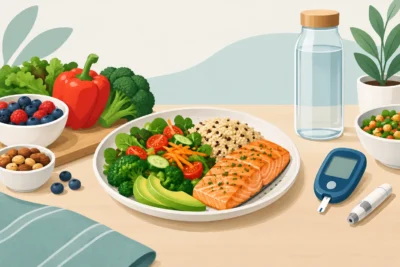
A Simple Guide to Glycemic Load Foods


If you have ever eaten a "healthy" food and still watched your blood sugar climb, this guide to glycemic load foods can help explain why. Two foods can contain carbs, look equally wholesome, and affect your body very differently. That difference matters when you are trying to prevent spikes, lose weight, or improve Type 2 diabetes naturally.
What you\'ll find in this article?
- What glycemic load foods actually tell you
- A guide to glycemic load foods by category
- Why glycemic load is more useful than carb counting alone
- How to use this guide to glycemic load foods at mealtime
- Common mistakes people make with glycemic load foods
- Best food swaps for better blood sugar control
- The part everyone misses: your response is personal
- How to make glycemic load foods work in everyday life
What glycemic load foods actually tell you
Most people hear about the glycemic index first. That system ranks foods based on how quickly they raise blood sugar. Useful, yes, but it misses one big detail: how many carbs you are actually eating in a normal serving.
Glycemic load fills in that gap. It looks at both the quality of the carbohydrate and the quantity in the portion you eat. In plain English, glycemic load gives you a more realistic picture of what a food may do to your blood sugar on your plate, not just in a lab.
That is why watermelon often confuses people. It has a relatively high glycemic index, but because a serving does not contain that many carbs, its glycemic load is low. A baked potato, on the other hand, can hit harder because it usually brings a larger carb load with it.
For people with prediabetes or Type 2 diabetes, this matters a lot. When you understand glycemic load foods, you can make food choices that are less likely to trigger sharp rises and crashes. That usually means steadier energy, fewer cravings, and better control over hunger.

A guide to glycemic load foods by category
A simple way to use glycemic load is to think in ranges. Low glycemic load foods are generally 10 or less per serving. Moderate foods fall around 11 to 19. High glycemic load foods are 20 or more.
Low glycemic load foods
These are often the easiest foods to build around if your goal is blood sugar stability. Nonstarchy vegetables sit at the top of the list. Leafy greens, broccoli, cauliflower, zucchini, peppers, cucumbers, asparagus, and green beans tend to have very little impact on blood sugar.
Many legumes also perform well. Lentils, chickpeas, black beans, and kidney beans contain carbohydrates, but they also bring fiber and protein, which slow digestion. Most berries are another smart choice, especially strawberries, raspberries, and blackberries. Cherries, apples, and pears are often better bets than tropical fruits or fruit juice.
Whole grains vary, but steel-cut oats, barley, and quinoa are usually gentler than refined grains. Plain Greek yogurt, nuts, seeds, eggs, fish, chicken, tofu, and avocado are also helpful in a blood-sugar-friendly eating pattern because they contribute little or no glycemic load on their own.
Moderate glycemic load foods
This middle category is where portion size really starts to matter. Brown rice, sweet potatoes, corn, whole grain bread, bananas, pineapple, and some breakfast cereals can fall here depending on serving size and processing.

These foods are not automatically bad. The problem starts when a moderate glycemic load food turns into a very large serving, or when it is eaten by itself. A half cup of rice with salmon and vegetables is very different from a big bowl of rice eaten alone.
High glycemic load foods
These are the foods most likely to create fast spikes, especially when eaten in large amounts. White bread, bagels, sugary cereal, white rice, russet potatoes, fries, crackers, pretzels, soda, sweets, and many baked goods belong here.
Some foods seem healthy but still land in this category because of how concentrated the carbs are. Fruit juice is a classic example. It may come from fruit, but without much fiber, the sugar hits quickly. Instant mashed potatoes and highly processed snack bars can do the same.
Why glycemic load is more useful than carb counting alone
Carb counting still has value. If you live with diabetes, knowing how many carbs you eat is important. But counting carbs alone does not tell you the whole story.
Thirty grams of carbs from lentils does not affect the body the same way as thirty grams from white bread. Fiber, food structure, processing, and what you eat with that carbohydrate all change the outcome. Glycemic load captures more of that real-world effect.
This is one reason many people feel stuck. They think they are staying within a certain carb target, yet their readings stay unpredictable. Looking at glycemic load can help you spot foods that are technically within range but still working against you.
How to use this guide to glycemic load foods at mealtime
You do not need to memorize charts or calculate every meal. What you need is a better filter for choosing carbs.
Start by making low glycemic load foods the base of most meals. Build your plate around nonstarchy vegetables, add a solid protein source, and then choose a controlled portion of higher-carb food if you want it. That one shift can dramatically reduce blood sugar swings.
Pairing matters too. A piece of fruit eaten alone may raise blood sugar more quickly than that same fruit eaten with a handful of nuts or a serving of Greek yogurt. Protein, fat, and fiber slow digestion and often soften the spike.
Cooking methods matter more than people realize. Al dente pasta tends to hit blood sugar less aggressively than very soft pasta. Less processed oats are usually better than instant packets. Whole fruit is usually better than juice or dried fruit. The more refined and broken down a food is, the faster it often acts.
Portion size is the final piece. Even low or moderate glycemic load foods can become a problem if portions keep creeping up. Healthy food is still food, and blood sugar still responds to the amount you eat.
Common mistakes people make with glycemic load foods
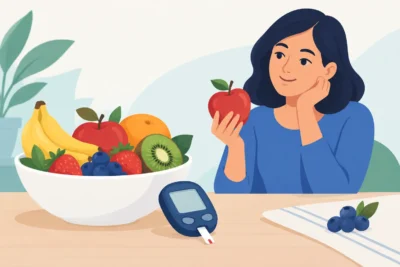
One mistake is assuming all fruit is off-limits. That is simply not true. Many fruits fit well into a blood-sugar-friendly diet, especially when you choose whole fruit and keep portions reasonable. Berries and apples are usually easier choices than large servings of grapes, pineapple, or juice.
Another mistake is trusting labels that say multigrain, whole wheat, or natural. Those words do not guarantee a low glycemic load. A packaged food can sound healthy and still behave like a fast carb. Reading the ingredient list and checking total carbs and fiber is more useful than trusting front-label marketing.
A third mistake is focusing only on single foods instead of whole meals. You do not eat carbohydrates in isolation very often. A slice of bread with eggs and avocado is different from toast with jam and orange juice. The meal pattern matters more than any one number.
Best food swaps for better blood sugar control
You do not need a perfect diet to get better results. Smart substitutions add up quickly.
Swap white rice for lentils, barley, or cauliflower rice some of the time. Choose steel-cut oats instead of sugary cereal. Replace fruit juice with whole fruit. Trade crackers for nuts or sliced vegetables with hummus. If you love potatoes, try a smaller portion alongside protein and vegetables instead of making them the center of the meal.
If bread is hard to give up, start with a smaller serving and choose a denser, higher-fiber option. Sourdough or sprouted grain bread may work better for some people than soft white bread, but the response can still vary. Your meter will tell you more than any food label can.
The part everyone misses: your response is personal
This is where real progress happens. Glycemic load is helpful, but it is still a guide, not a guarantee. Two people can eat the same food and get very different readings.
Sleep, stress, activity level, insulin resistance, medications, and time of day all affect your blood sugar response. Even the same person may respond differently from one day to the next. That is why testing after meals can be so useful. It shows you how your body handles specific foods in real life.
If you want a natural-first strategy that actually leads somewhere, use glycemic load as a tool, not a rulebook. Let it guide your shopping, portions, and meal balance. Then pay attention to your own numbers and adjust.
At Diabetes Cure Now, that practical middle ground is what matters most. You do not need to fear every carb, and you do not need to guess your way through meals. You need a system you can repeat.
How to make glycemic load foods work in everyday life
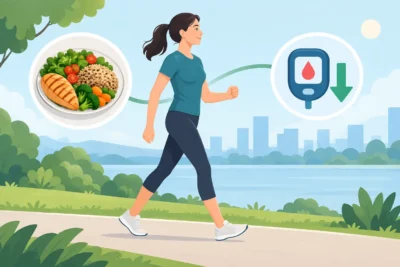
Think simple. Most of your plate should come from foods that do not send blood sugar racing. Add protein at every meal. Be selective with starches instead of treating them like the default. Save high glycemic load foods for occasional use, smaller portions, or moments when you can balance them with movement and better meal structure.
That approach is not flashy, but it works. Better blood sugar control rarely comes from one miracle food. It comes from repeating steady choices until your body starts responding in a steadier way too.
If you feel overwhelmed by food decisions, start with your next meal, not next month. One lower-glycemic breakfast or one balanced dinner is enough to begin shifting your numbers in the right direction.
Important notice: The content of Diabetes Cure Now is solely educational and informational and does not replace the evaluation, diagnosis, or treatment of a doctor or health professional. Before making changes to your diet, exercise, or medication, consult with a qualified professional..
Content reviewed for educational purposes and based on public medical sources.
Sources consulted
- American Diabetes Association (ADA)
- Mayo Clinic
- CDC
- NIH
12 Diabetic Recipes That Keep Meals Balanced
Diabetic Kidney Health Guide for Daily Protection

How to Start Walking With Diabetes Safely
10 Healthy Soups for Diabetics That Satisfy
Do Chia Seeds for Blood Sugar Really Help?

How to Reduce Dawn Phenomenon Naturally
Is Fruit Safe for Diabetes? What to Know
How to Walk After Meals for Better Blood Sugar