
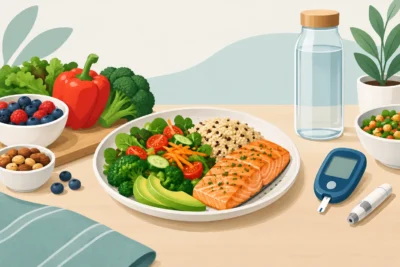
Are Bananas Bad for Diabetics? The Real Answer


A lot of people with high blood sugar stop eating bananas the moment they hear the word sugar. That reaction makes sense, but it also creates confusion. If you have prediabetes or Type 2 diabetes, you may be wondering, are bananas bad for diabetics, or are they just another food that depends on how and when you eat it?
The honest answer is that bananas are not automatically bad for people with diabetes. They do contain carbohydrates and natural sugar, so they can raise blood sugar. But they also provide fiber, potassium, vitamin B6, and a convenient whole-food option that is far better than many processed snacks people reach for when they are hungry.
What matters most is context. The size of the banana, how ripe it is, what you eat with it, and how your body responds all make a difference.
What you\'ll find in this article?
- Are bananas bad for diabetics or just misunderstood?
- Why bananas can raise blood sugar
- When bananas may be a reasonable choice
- The best way to eat bananas with diabetes
- Are bananas worse than other fruits?
- Signs bananas may not work well for you right now
- A practical test for your own blood sugar response
- So, are bananas bad for diabetics?
Are bananas bad for diabetics or just misunderstood?
Bananas often get treated like a problem food because they taste sweet and are higher in carbs than berries or leafy vegetables. But that does not make them off-limits.
A medium banana usually contains around 27 grams of carbohydrates, with about 3 grams of fiber. That means it has enough carbs to affect blood sugar, especially if eaten alone. Still, that same banana also comes in a natural package with nutrients your body can use. This is very different from eating candy, pastries, or sweetened cereal.

For many people with Type 2 diabetes, the bigger issue is not the banana itself. It is eating too much fruit at once, choosing very ripe bananas without protein or fat, or assuming that all natural foods are automatically blood sugar neutral.
That is where a smarter approach helps. Instead of asking whether bananas are good or bad, ask whether they fit your blood sugar goals today.
Why bananas can raise blood sugar
Bananas contain digestible carbohydrates, and carbs are the main nutrient that affects blood glucose. The riper the banana, the more its starch converts into sugar. That means a soft, spotted banana will usually raise blood sugar faster than a firmer, less ripe one.
This does not mean ripe bananas are forbidden. It simply means they may need more caution, especially if your blood sugar is already running high or you are still learning how different foods affect you.
Bananas also have a moderate glycemic index, but that number does not tell the whole story. Glycemic load matters too, because portion size changes the real impact. A few slices of banana in plain Greek yogurt is very different from eating two large bananas on an empty stomach.

Your personal insulin sensitivity matters as well. Two people can eat the same banana and get very different readings afterward. That is why checking your blood sugar response can be more useful than following fear-based food rules.
When bananas may be a reasonable choice
Bananas can work well for diabetics in certain situations. If you are physically active, need a quick pre-workout snack, or want a portable fruit that is easy to portion, a banana can fit into a balanced plan.
They can also be helpful when paired with foods that slow digestion. For example, half a banana with peanut butter, cottage cheese, plain yogurt, or a handful of nuts will generally have a gentler blood sugar effect than banana by itself.
Some people do well using banana as part of breakfast, while others notice morning spikes and do better later in the day. This is why timing matters. Your body is not a machine, and blood sugar control is rarely about one food alone.
If you are trying to improve insulin resistance naturally, the goal is not perfection. The goal is learning how to build meals that keep you steady.
The best way to eat bananas with diabetes
If you enjoy bananas and want to keep them in your diet, a few simple adjustments can make a real difference.
Start with portion size. Instead of a large banana, try half of a medium one. That gives you the taste and nutrients with a smaller carb load.
Next, pay attention to ripeness. A slightly green or just-ripe banana usually has more resistant starch and less available sugar than one that is very soft and brown-speckled. That can lead to a slower blood sugar rise for some people.
Then pair it wisely. Adding protein, healthy fat, or extra fiber helps reduce the speed of glucose absorption. A banana sliced over unsweetened oatmeal with chia seeds is better than banana blended into a sugary smoothie with juice and flavored yogurt.
Finally, watch what else is on your plate. If your meal already includes rice, toast, juice, or potatoes, adding a full banana may push the carb load too high. But if the rest of the meal is centered on eggs, Greek yogurt, nuts, or vegetables, a small amount of banana may fit much better.
Are bananas worse than other fruits?
Not necessarily. Bananas are higher in carbs than some fruits, but they are not the highest-sugar fruit you can eat. Grapes, mango, pineapple, and dried fruit can also raise blood sugar quickly, especially in large amounts.
Berries are often easier for blood sugar control because they tend to be lower in sugar and higher in fiber per serving. Apples and pears can also be good choices because they are filling and usually have a more moderate impact.
That said, the best fruit is not always the one with the lowest sugar number. It is the one you can eat in a portion that works for your body and your long-term habits. If bananas keep you satisfied and stop you from grabbing cookies or chips, they may be a better choice than a technically lower-sugar food you do not actually stick with.
Sustainability matters when you are trying to improve metabolic health.
Signs bananas may not work well for you right now
There are times when bananas may be less helpful. If you notice consistent spikes after eating them, especially even in small portions, your body may not be handling that amount of carbohydrate well right now.
The same may be true if your fasting blood sugar is high, your A1C is elevated, and you are still in the early stage of regaining control. During that period, some people do better limiting sweeter fruits temporarily while they focus on lower-carb vegetables, protein, healthy fats, walking, and weight loss.
This is not punishment. It is a strategy.
As insulin sensitivity improves, your tolerance for certain foods may improve too. Many people find that foods they once had to limit become easier to manage after they lose weight, move more, sleep better, and reduce overall processed carb intake.
A practical test for your own blood sugar response
One of the smartest things you can do is test your own response. Eat a controlled portion, such as half a medium banana paired with protein, and check your blood sugar before eating and again one to two hours later.
If your numbers stay in a reasonable range, bananas may be a food you can continue to use in moderation. If your glucose jumps sharply, that is useful information too. It does not mean you failed. It means your body gave you feedback.
This kind of self-awareness is powerful. It moves you away from internet myths and toward choices based on your real metabolism.
At Diabetes Cure Now, that is the bigger goal - helping you make food decisions with confidence instead of fear.
So, are bananas bad for diabetics?
Bananas are not automatically bad for diabetics, but they are not a free food either. They are a moderate-carb fruit that can fit into a blood sugar-conscious lifestyle when portion size, ripeness, meal balance, and personal response are taken seriously.
If you have diabetes or prediabetes, you do not need to panic over one banana. You do need to stop thinking in extremes. A whole-food diet that supports blood sugar control is built on patterns, not isolated ingredients.
A small banana paired with protein can be a smart snack. A large ripe banana with other high-carb foods may be too much. That middle ground is where real progress happens.
The more you learn to read your body's signals, the easier it becomes to eat in a way that supports lower blood sugar, better energy, and long-term health. Small choices, repeated daily, are what change your numbers.
Important notice: The content of Diabetes Cure Now is solely educational and informational and does not replace the evaluation, diagnosis, or treatment of a doctor or health professional. Before making changes to your diet, exercise, or medication, consult with a qualified professional..
Content reviewed for educational purposes and based on public medical sources.
Sources consulted
- American Diabetes Association (ADA)
- Mayo Clinic
- CDC
- NIH
12 Diabetic Recipes That Keep Meals Balanced
Diabetic Kidney Health Guide for Daily Protection

How to Start Walking With Diabetes Safely
10 Healthy Soups for Diabetics That Satisfy
Do Chia Seeds for Blood Sugar Really Help?

How to Reduce Dawn Phenomenon Naturally
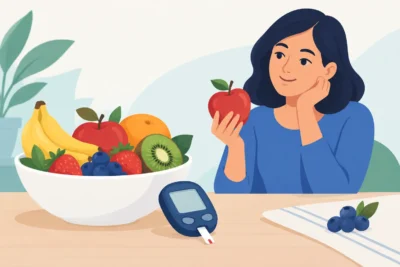
Is Fruit Safe for Diabetes? What to Know
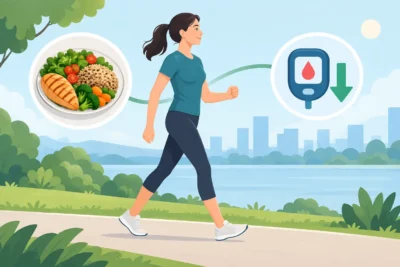
How to Walk After Meals for Better Blood Sugar