
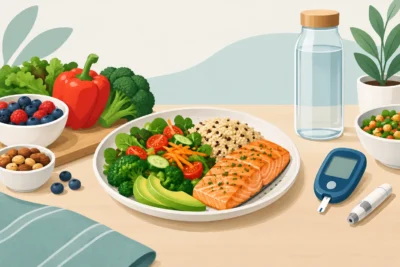
How to Balance Blood Sugar Naturally


Blood sugar swings rarely show up quietly. They feel like the afternoon crash, the shaky hunger that hits out of nowhere, the brain fog after a carb-heavy meal, or the lab result that finally forces the issue. If you are trying to figure out how to balance blood sugar, the good news is that small daily choices can start moving your numbers in the right direction faster than most people expect.
For many adults with prediabetes, Type 2 diabetes, or stubborn glucose spikes, the goal is not perfection. The goal is steadier blood sugar across the day, fewer sharp highs and lows, and habits you can actually keep. That usually means focusing on food quality, meal timing, movement, sleep, stress, and weight management instead of chasing quick fixes.
What you\'ll find in this article?
- What it really means to balance blood sugar
- Start with the food on your plate
- Meal timing can help more than people think
- Walking after meals is one of the simplest tools
- Strength training improves insulin sensitivity
- Sleep and stress are not side issues
- Weight loss helps, but not in an all-or-nothing way
- Watch out for hidden blood sugar disruptors
- Consistency beats intensity every time
What it really means to balance blood sugar
Balanced blood sugar does not mean your glucose stays exactly the same all day. Your body is supposed to respond to meals, activity, stress, and sleep. What you want is a healthier range with less dramatic spiking and crashing.
When blood sugar rises too fast, your body has to work harder to bring it down. Over time, that pattern can worsen insulin resistance, increase hunger, drain energy, and make weight loss harder. On the other hand, when meals are built well and your lifestyle supports insulin sensitivity, glucose tends to rise more gradually and come down more smoothly.
That is why learning how to balance blood sugar is really about improving how your body handles glucose, not just avoiding sugar itself.

Start with the food on your plate
Food has the biggest immediate effect on blood sugar, so this is where most people see the fastest change. The biggest mistake is focusing only on what to remove. Cutting back on soda, candy, pastries, and refined carbs helps, but what you add to meals matters just as much.
A balanced plate slows digestion and reduces sharp spikes. In practical terms, that means pairing carbohydrates with protein, fiber, and healthy fats. If you eat oatmeal by itself, your glucose may climb quickly. If you eat oatmeal with chia seeds, Greek yogurt, and a few walnuts, the response is often gentler.
Build meals around protein and fiber
Protein helps you stay full and supports a slower blood sugar response. Fiber does something similar by slowing how quickly glucose enters the bloodstream. Together, they make meals much more forgiving.
Good protein options include eggs, Greek yogurt, cottage cheese, fish, chicken, turkey, tofu, tempeh, and beans. High-fiber foods include non-starchy vegetables, berries, lentils, beans, chia seeds, flaxseeds, and whole foods like oats or quinoa.
This does not mean you can never eat carbs. It means carbs work better when they are not showing up alone.

Choose smarter carbs, not just fewer carbs
Some people do well with lower-carb eating. Others feel better with a moderate carb intake from higher-quality sources. It depends on your activity level, your medications, your current insulin resistance, and how your body responds.
In general, carbs from vegetables, legumes, berries, plain dairy, and minimally processed whole grains tend to be easier on blood sugar than white bread, sugary cereal, chips, desserts, or sweet drinks. Portion size still matters, but carb quality matters too.
If you notice big spikes after rice, bread, or pasta, try reducing the portion and pairing it with protein and vegetables instead of cutting it out completely right away. That is often more sustainable.
Meal timing can help more than people think
Many people eat very little early in the day, then load up at night when they are exhausted and hungry. That pattern can make blood sugar control harder. A more even rhythm often works better.
Eating regular meals with enough protein can reduce overeating later and help prevent the roller coaster of spike, crash, and craving. For some people, a protein-rich breakfast makes a noticeable difference in hunger and energy. For others, reducing late-night snacking is the bigger win.
Should you try fasting?
Intermittent fasting helps some people lower insulin levels, lose weight, and improve glucose control. But it is not automatically the best choice for everyone. If fasting causes overeating later, headaches, poor sleep, or low blood sugar, it may not be a good fit. It also requires extra caution if you take blood sugar-lowering medication.
The better question is not whether fasting is trendy. It is whether your eating schedule helps you stay consistent, avoid large glucose swings, and support a healthier body weight.
Walking after meals is one of the simplest tools
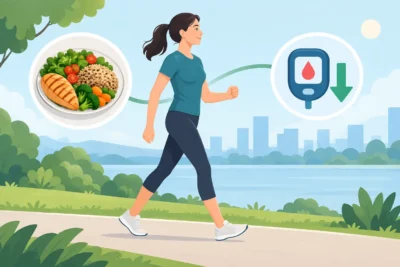
If there is one habit that deserves more attention, it is post-meal movement. A 10 to 20 minute walk after eating can help your muscles use glucose and reduce the blood sugar rise that follows a meal.
This works because your muscles can take up glucose during activity, which gives your body another place to put that energy besides leaving it circulating in the bloodstream. It is simple, free, and realistic for many people.
You do not need a hard workout after dinner. A steady walk is enough to help. If walking is difficult, even gentle movement around the house is better than staying completely still.
Strength training improves insulin sensitivity
Cardio gets most of the attention, but muscle is one of your best allies for blood sugar control. The more muscle tissue you maintain, the better your body can store and use glucose.
Strength training does not have to mean a gym membership. Bodyweight exercises, resistance bands, light dumbbells, or chair-based strength work can all help. The key is consistency. Two or three sessions a week can make a real difference over time.
If you are older, out of shape, or dealing with joint pain, start small. A sustainable routine beats an ambitious plan you quit after ten days.
Sleep and stress are not side issues
People often work hard on food choices while ignoring the two things that can wreck blood sugar behind the scenes - poor sleep and chronic stress. When you are sleep-deprived, hunger hormones shift, cravings go up, and insulin sensitivity can worsen. When stress stays high, cortisol can push glucose higher even if your diet looks decent.
How to balance blood sugar when stress is high
You do not need a perfect meditation routine. You need stress tools you will actually use. That might mean a 10-minute walk outside, slower eating, better boundaries around work, less caffeine late in the day, or a simple evening routine that helps your nervous system settle down.
Sleep helps in the same practical way. Aim for a consistent bedtime, a darker room, less screen exposure before bed, and fewer heavy meals late at night. If snoring or poor sleep is a chronic issue, it is worth taking seriously. Sleep apnea and blood sugar problems often travel together.
Weight loss helps, but not in an all-or-nothing way
For people with excess body weight, even modest weight loss can improve insulin sensitivity and lower blood sugar. You do not need to lose 50 pounds before your body starts responding. A smaller drop in weight can still lead to better fasting glucose and A1C.
This matters because many people give up when progress feels slow. But metabolic health often improves before dramatic body changes show up. Better meal quality, more walking, improved sleep, and fewer cravings are not small wins. They are signs your body is becoming easier to manage.
Some things look healthy but act more like sugar bombs in the body. Smoothies made with fruit juice, flavored yogurt, granola bars, dried fruit, sweet coffee drinks, and many so-called healthy cereals can cause major spikes.
It is also easy to overdo natural sweeteners. Honey, maple syrup, coconut sugar, and agave may sound better than white sugar, but your blood sugar still has to deal with them. Natural does not always mean blood sugar-friendly.
This is where paying attention helps. If you use a glucose meter or continuous glucose monitor, patterns often become obvious quickly. If not, your body still gives clues - sleepiness after meals, intense cravings, irritability, and energy crashes are all signals worth noticing.
Consistency beats intensity every time
The biggest shift usually comes when people stop searching for one miracle food and start stacking simple habits. A breakfast with protein. Fewer liquid calories. A walk after meals. Better sleep. Strength training twice a week. More vegetables. Smaller portions of refined carbs.
None of those habits is flashy. Together, they can change the direction of your health.
If you have been wondering how to balance blood sugar, start with the next meal and the next day, not the next month. Progress comes from what you repeat, and your body is often ready to respond the moment you give it better conditions.
Important notice: The content of Diabetes Cure Now is solely educational and informational and does not replace the evaluation, diagnosis, or treatment of a doctor or health professional. Before making changes to your diet, exercise, or medication, consult with a qualified professional..
Content reviewed for educational purposes and based on public medical sources.
Sources consulted
- American Diabetes Association (ADA)
- Mayo Clinic
- CDC
- NIH
12 Diabetic Recipes That Keep Meals Balanced
Diabetic Kidney Health Guide for Daily Protection

How to Start Walking With Diabetes Safely

10 Healthy Soups for Diabetics That Satisfy
Do Chia Seeds for Blood Sugar Really Help?

How to Reduce Dawn Phenomenon Naturally
Is Fruit Safe for Diabetes? What to Know
How to Walk After Meals for Better Blood Sugar