
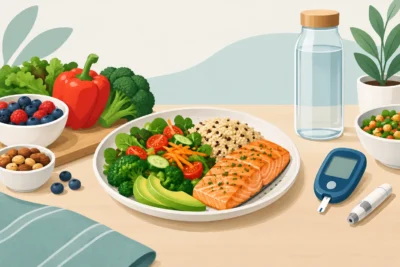
11 Foods That Spike Blood Sugar Fast


That bowl of cereal that looks light and harmless can send your glucose higher than a cheeseburger. That surprises a lot of people. Many foods that spike blood sugar are not obviously sweet, and some are even marketed as healthy. If you have Type 2 diabetes, prediabetes, or stubborn blood sugar swings, knowing which foods hit hard and fast can help you take back control.
This is not about fear or perfection. It is about spotting the patterns that push blood sugar up quickly, then making smarter choices that keep you fuller, steadier, and more in control of your day.
What you\'ll find in this article?
- Why some foods spike blood sugar more than others
-
11 foods that spike blood sugar
- 1. Sugary drinks
- 2. White bread and refined bagels
- 3. Breakfast cereal
- 4. White rice
- 5. Potatoes and fries
- 6. Pastries, donuts, and muffins
- 7. Crackers, pretzels, and chips
- 8. Sweetened yogurt
- 9. Instant oatmeal and flavored oatmeal packets
- 10. Dried fruit and oversized fruit smoothies
- 11. Candy and desserts
- Foods that spike blood sugar are not always the sweetest foods
- What makes a meal safer for blood sugar
- Better swaps that still feel realistic
- It depends on your body, your portion, and your routine
Why some foods spike blood sugar more than others
Your blood sugar response is not just about how much sugar is in a food. It also depends on how quickly that food is digested and absorbed. Foods that are high in refined carbs, low in fiber, and easy to break down tend to raise glucose fast. Liquids can be even worse because they move through the stomach quickly and do not require much digestion.
Portion size matters too. A small serving of a higher-carb food may cause a modest rise, while a large serving can send numbers soaring. The same food can also affect two people differently depending on insulin resistance, activity level, sleep, stress, and what else was eaten with it.
That is why blood sugar management works best when you look at the full meal, not just one ingredient.

11 foods that spike blood sugar
1. Sugary drinks
Regular soda, sweet tea, energy drinks, sports drinks, and many coffee shop beverages are some of the fastest ways to raise blood sugar. They deliver a large sugar load without fiber, protein, or fat to slow absorption.
Fruit juice falls into this category too. Even 100 percent juice can push glucose up quickly because the fiber from whole fruit is mostly gone. A glass of orange juice can hit your system much faster than eating an orange.
2. White bread and refined bagels
White bread is made from refined flour that digests quickly. Bagels can be even more challenging because they combine refined carbs with a very large portion. One bagel can equal several slices of bread.
Even if you do not taste sweetness, your body still breaks these starches down into glucose.
3. Breakfast cereal
Many cereals are heavily processed and packed with starch and added sugar. Even the ones with health claims on the front can be misleading. Honey-flavored, granola-style, frosted, and puffed cereals often cause a quick rise, especially when eaten with milk and no protein on the side.

This is one reason breakfast can be a hidden blood sugar trap.
4. White rice
White rice is easy to overeat and low in fiber compared with less processed grains. For many people, especially those with insulin resistance, it causes a sharp post-meal increase.
This does not mean rice is off-limits forever. It means portion size and pairing matter. A small scoop alongside chicken and non-starchy vegetables usually lands differently than a big bowl by itself.
5. Potatoes and fries
Potatoes are not junk food by default, but they can raise blood sugar quickly, especially when mashed, baked until soft, or turned into fries. The more processed and easier to chew they are, the faster they tend to digest.
French fries add another problem: they are easy to eat in large amounts. The fat may slow digestion somewhat, but the overall meal load can still be rough on blood sugar.
6. Pastries, donuts, and muffins
These are a double hit of refined flour and sugar. Many also contain unhealthy fats and very little fiber or protein. A muffin from a coffee shop can have as many carbs as a dessert, even if it is sold as breakfast.
People often focus on candy and forget that baked goods can be just as disruptive.
7. Crackers, pretzels, and chips
Snack foods made from refined starches can behave a lot like sugar in the body. Crackers and pretzels are especially deceptive because they look small and seem controlled, but it is easy to eat several servings without realizing it.
Potato chips and corn chips vary, but large portions can still lead to significant glucose spikes, especially when paired with dips that do not offer much protein.
8. Sweetened yogurt
Yogurt can be a smart food, but many flavored varieties contain a surprising amount of added sugar. Low-fat fruit yogurts are often the biggest offenders because manufacturers remove fat and add sweetness to improve taste.
A plain Greek yogurt with berries usually works much better than a sugary fruit-on-the-bottom cup.
9. Instant oatmeal and flavored oatmeal packets
Oatmeal has a healthy reputation, and plain old-fashioned oats can be a solid choice. But instant oatmeal and flavored packets are more processed and often include added sugar. They digest faster and may not keep blood sugar steady for long.
This is a good example of how the form of a food changes its effect.
10. Dried fruit and oversized fruit smoothies
Whole fruit is generally a better choice than sweets because it comes with fiber, water, and nutrients. Dried fruit is different. It is concentrated, easy to overeat, and can raise blood sugar faster than many people expect.
Smoothies can be similar. If they include fruit juice, sweetened yogurt, honey, or multiple servings of fruit, they may deliver more sugar than a meal.
11. Candy and desserts
This one is obvious, but it still matters. Candy, cookies, cake, and ice cream can push blood sugar high very quickly, especially when eaten on an empty stomach or in large portions.
The issue is not just sugar. These foods also make it harder to stay full and satisfied, which can lead to more cravings later.
Foods that spike blood sugar are not always the sweetest foods
One of the biggest mistakes people make is watching sugar but ignoring starch. Your body breaks down white flour, white rice, potatoes, and many snack foods into glucose very efficiently. That is why a plate of fries or a basket of bread can be just as problematic as dessert.
This matters because it changes how you shop and eat. Instead of only asking, “Is this sugary?” ask, “How processed is this, how much fiber does it have, and how big is the portion?”
What makes a meal safer for blood sugar
You do not have to build a perfect diet overnight. A better goal is to make each meal less likely to cause a sharp spike. Protein, healthy fat, and fiber help slow digestion and improve satiety. Non-starchy vegetables add volume without loading you up with fast-digesting carbs.
For example, toast by itself is very different from eggs with avocado and one slice of whole-grain toast. A bowl of white rice by itself is very different from a smaller portion of rice served with salmon and broccoli. These small shifts can lead to more stable readings and fewer energy crashes.
Better swaps that still feel realistic
The best swap is the one you will actually keep doing. If you drink soda every day, switching to sparkling water or unsweetened tea is a big win. If you love sandwiches, try a smaller bread portion, a higher-fiber bread, or an open-faced version.
For breakfast, eggs, plain Greek yogurt, chia pudding, or steel-cut oats with nuts tend to work better than sugary cereal or pastries. If you want something crunchy, nuts or sliced vegetables with hummus are usually steadier choices than crackers or chips.
And if you want dessert, smaller portions after a balanced meal tend to be easier on blood sugar than sweets eaten alone.
It depends on your body, your portion, and your routine
There is no single food list that predicts every blood sugar response with perfect accuracy. Some people handle oatmeal fairly well but spike from rice. Others do better with potatoes than bread. Medications, movement after meals, sleep quality, and stress can all change the outcome.
That is why checking your blood sugar after meals, if you are able to, can be so helpful. It turns guesswork into feedback. You may find that the real problem is not one specific food but the amount, timing, or what you pair it with.
At Diabetes Cure Now, the most effective approach is the one that helps you stay consistent. You do not need extreme rules. You need enough awareness to avoid the foods that hit your system hardest and enough strategy to build meals that support steady energy and better long-term health.
If you have been feeling confused about what to eat, start simple. Cut back on the most obvious blood sugar spikers, build meals around protein and fiber, and pay attention to how your body responds. Small changes repeated daily can move your numbers in the right direction faster than you think.
Important notice: The content of Diabetes Cure Now is solely educational and informational and does not replace the evaluation, diagnosis, or treatment of a doctor or health professional. Before making changes to your diet, exercise, or medication, consult with a qualified professional..
Content reviewed for educational purposes and based on public medical sources.
Sources consulted
- American Diabetes Association (ADA)
- Mayo Clinic
- CDC
- NIH
12 Diabetic Recipes That Keep Meals Balanced
Diabetic Kidney Health Guide for Daily Protection
How to Start Walking With Diabetes Safely
10 Healthy Soups for Diabetics That Satisfy
Do Chia Seeds for Blood Sugar Really Help?

How to Reduce Dawn Phenomenon Naturally
Is Fruit Safe for Diabetes? What to Know
How to Walk After Meals for Better Blood Sugar