
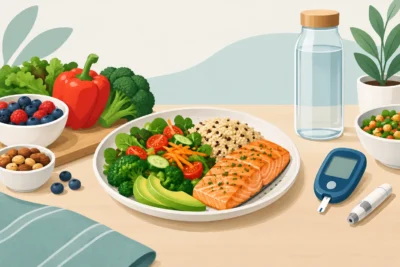
Why Is Blood Sugar High? Common Causes


A fasting reading looks okay one day, then jumps the next. Or you eat what seems like a healthy meal and your meter still runs high. If you have ever asked, why is blood sugar high, the answer is usually not just one thing. Blood sugar rises when your body cannot move glucose out of the bloodstream efficiently, and that can happen because of food, stress, poor sleep, illness, medication, insulin resistance, or a mix of several factors at once.
That can feel frustrating, but it also means you have more than one place to make progress. High blood sugar is not always a sign that you have failed. Often, it is a signal that your body is under strain and needs better support.
What you\'ll find in this article?
Why is blood sugar high in the first place?
Your body turns much of the food you eat into glucose. That glucose enters your bloodstream and is supposed to be guided into your cells with the help of insulin. When that process works well, blood sugar stays in a healthy range. When it does not, glucose builds up in the blood.
For many adults with prediabetes or Type 2 diabetes, the main issue is insulin resistance. That means your cells do not respond to insulin as well as they should. Your pancreas may try to compensate by making more insulin, but over time that system can struggle to keep up. The result is higher readings after meals, in the morning, or throughout the day.
This is why blood sugar problems often develop gradually. You may not notice anything for years while the body is working overtime behind the scenes.

The most common reasons blood sugar runs high
Food is the first place many people look, and for good reason. Meals high in refined carbohydrates and sugar can raise blood glucose quickly. White bread, pasta, sweet drinks, desserts, chips, and many packaged snack foods digest fast and send a large amount of glucose into the bloodstream. Even foods that sound healthy, like flavored yogurt, granola, smoothies, and cereal, can push numbers higher than expected.
Portion size matters too. You can eat a generally healthy meal and still end up with high blood sugar if the carbohydrate load is too large for your current insulin response. Brown rice, fruit, beans, and oats are more nutritious choices than candy or soda, but they still affect glucose. Healthy does not always mean low impact.
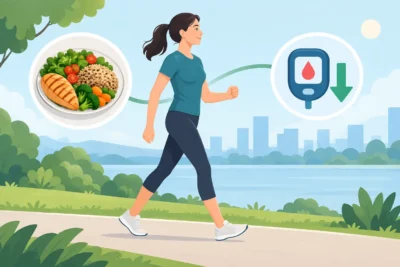
Lack of movement is another major cause. Muscles use glucose for energy, especially during and after activity. When you sit for long periods, your body misses one of its best natural tools for lowering blood sugar. A short walk after meals can make a noticeable difference for some people.
Stress is often underestimated. When you are stressed, your body releases hormones like cortisol and adrenaline. These hormones can tell the liver to release more glucose into the blood. This is helpful in a true emergency, but not when stress becomes constant. Financial pressure, caregiving, poor work conditions, and emotional strain can all raise blood sugar even if your diet has not changed.
Sleep problems also deserve attention. Poor sleep can increase insulin resistance and appetite while making cravings harder to manage. If you wake up often, sleep too little, or have sleep apnea, your blood sugar may stay stubbornly high despite your efforts during the day.

Illness can cause a spike as well. When you are fighting an infection or inflammation, the body often releases more stress hormones. Many people notice higher readings during a cold, flu, dental infection, or other health issue.
Some medications can raise blood sugar. Steroids are a common example, but certain other drugs may also affect glucose control. If your readings changed after starting a medication, it is worth asking your doctor or pharmacist whether that could be part of the reason.
Why is blood sugar high in the morning?
Morning highs are common, and they confuse a lot of people. You may go to bed with a decent number and wake up much higher. One reason is the dawn phenomenon. In the early morning, the body releases hormones that help wake you up and prepare you for the day. Those hormones can also trigger the liver to release stored glucose.
If you already have insulin resistance, your body may not handle that early glucose release well. The result is a higher fasting reading, even if you did not eat overnight.
For some people, late-night eating is part of the problem. A heavy dinner, dessert, alcohol, or evening snacks can keep blood sugar elevated for hours. For others, poor sleep is the bigger trigger. This is where patterns matter more than guessing.
Dehydration can make blood sugar look worse because there is less fluid in the bloodstream. You may not think of water intake as a blood sugar issue, but it can influence readings.
Weight gain around the midsection is another common factor. Belly fat is closely tied to insulin resistance. This does not mean every person in a larger body will have diabetes, or that thin people are protected. It does mean that excess abdominal fat can make blood sugar harder to control.
Hormonal shifts can also play a role. Women may notice changes around menopause. Men and women can both see blood sugar shifts with aging, because muscle mass tends to decline and insulin sensitivity often worsens over time.
Then there is the simple issue of timing. If you test too soon after eating, numbers may look alarming when they are still in the normal post-meal rise. On the other hand, if your readings are frequently high two hours after meals or first thing in the morning, that points to a real issue worth addressing.
What high blood sugar is really telling you
A high reading is not just a number. It is feedback. It may be telling you that your meals need to be more balanced, your body needs more movement, your sleep is off, or your stress load is spilling into your metabolism.
This is why quick fixes rarely solve the full problem. Cutting sugar alone can help, but it may not be enough if your sleep is poor and you are inactive. Exercise helps, but it may not fully overcome a diet built around processed carbs. Blood sugar control usually improves fastest when several small changes start working together.
What you can do to bring it down naturally
The most effective natural approach is usually the least dramatic. Start with meals that are built around protein, fiber, and healthy fats instead of mostly starch. Eggs, Greek yogurt, fish, chicken, tofu, nuts, seeds, vegetables, beans, and high-fiber foods tend to support steadier blood sugar than meals centered on bread, pasta, rice, and sweets.
It also helps to reduce liquid sugar. Soda, sweet tea, energy drinks, fancy coffee drinks, and fruit juice can send glucose up fast because they are absorbed quickly and do not create much fullness.
Walking after meals is one of the simplest habits you can use right away. Even 10 to 15 minutes can help your muscles pull glucose out of the blood. Strength training matters too because more muscle generally improves glucose handling.
Sleep should be treated like part of your blood sugar plan, not an extra. A regular bedtime, less late-night screen time, and getting evaluated for sleep apnea if you snore heavily or feel exhausted can all make a real difference.
Stress management is not just about feeling calmer. It can directly affect glucose. That might mean daily walks, prayer, breathing exercises, quiet time, or setting firmer limits on what drains you. The best stress tool is the one you will actually use.
If you are overweight, even modest weight loss can improve insulin sensitivity. It does not have to be extreme. For many people, consistent progress matters far more than perfection.
When to take high blood sugar seriously
If your blood sugar is high once, that is one data point. If it is high often, your body is asking for attention. Frequent thirst, fatigue, blurred vision, headaches, constant hunger, or needing to urinate often are signs that glucose may be running too high.
If you have repeated fasting readings above normal, post-meal spikes that stay elevated, or symptoms that keep showing up, it is smart to get tested and work with a qualified medical professional. Natural strategies can be powerful, especially for insulin resistance and Type 2 diabetes, but they work best when you know what you are dealing with.
The encouraging part is this: high blood sugar usually reflects habits and body processes that can improve. Step by step, better food choices, more movement, deeper sleep, and lower stress can change the direction of your health. Your next reading is not your destiny. It is simply the next piece of information you can use to take control.
Important notice: The content of Diabetes Cure Now is solely educational and informational and does not replace the evaluation, diagnosis, or treatment of a doctor or health professional. Before making changes to your diet, exercise, or medication, consult with a qualified professional..
Content reviewed for educational purposes and based on public medical sources.
Sources consulted
- American Diabetes Association (ADA)
- Mayo Clinic
- CDC
- NIH
12 Diabetic Recipes That Keep Meals Balanced
Diabetic Kidney Health Guide for Daily Protection

How to Start Walking With Diabetes Safely

10 Healthy Soups for Diabetics That Satisfy
Do Chia Seeds for Blood Sugar Really Help?

How to Reduce Dawn Phenomenon Naturally
Is Fruit Safe for Diabetes? What to Know
How to Walk After Meals for Better Blood Sugar