
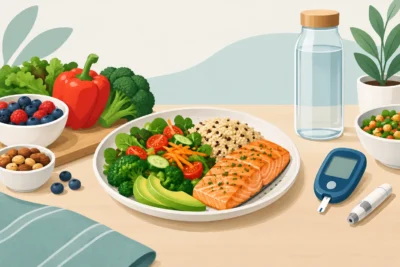
10 Best Fruits for Diabetic Adults


Fruit often gets blamed the minute blood sugar becomes a problem. Someone gets diagnosed with prediabetes or Type 2 diabetes, and suddenly bananas are treated like candy bars. That reaction is understandable, but it is not accurate. The best fruits for diabetic adults can absolutely fit into a blood sugar-friendly eating plan when you choose them well and eat them in the right context.
The real issue is not whether fruit is “good” or “bad.” It is how much natural sugar a fruit contains, how much fiber comes with it, how fast it digests, and what else you eat with it. Whole fruit is very different from fruit juice, dried fruit, or sweetened fruit cups. If your goal is to lower blood sugar naturally and make daily food choices simpler, learning which fruits tend to work best is a smart place to start.
What you\'ll find in this article?
What makes some fruits better for blood sugar?
For most adults with diabetes, the best fruit choices have a useful mix of fiber, water, and slower-digesting carbohydrates. Fiber matters because it helps slow the rise in blood sugar after eating. Water-rich fruits can also be more satisfying for fewer calories, which helps if weight loss or weight control is part of your plan.
Portion size still matters. Even a healthy fruit can push blood sugar higher if you eat a large amount at once. Ripeness matters too. A very ripe banana, for example, usually affects blood sugar faster than a firmer one. The same idea applies to mango, pineapple, and other sweeter fruits.
This is where a lot of people get frustrated. They want a simple yes-or-no answer, but food does not work that way. One person may tolerate a small apple easily, while another sees a bigger spike from the same serving. That is why pairing fruit with protein or healthy fat is often a game changer.

10 best fruits for diabetic adults
1. Berries
Strawberries, blueberries, raspberries, and blackberries are some of the strongest choices for blood sugar support. They are relatively lower in sugar than many tropical fruits and naturally high in fiber. Berries also contain antioxidants that support overall metabolic health, which matters when you are trying to reduce inflammation and improve insulin sensitivity.
Raspberries and blackberries tend to stand out because of their fiber content. A bowl of mixed berries with plain Greek yogurt or a handful of nuts is often easier on blood sugar than a larger serving of melon or grapes eaten alone.
2. Apples
Apples are practical, affordable, and easy to portion. They contain fiber, especially if you eat the skin, and they are filling in a way that helps prevent mindless snacking later. A small to medium apple is usually a better choice than applesauce or apple juice, which digest much faster.
If apples tend to spike your blood sugar, the fix may be pairing rather than eliminating. Try apple slices with peanut butter, almond butter, or a few slices of cheese.
3. Pears
Pears are another high-fiber fruit that can work well for many diabetic adults. They are sweet, but that sweetness comes packaged with fiber and water, which can help slow absorption. A firm pear may work better than an overly soft, very ripe one.

Because pears are naturally satisfying, they can also help cut cravings for desserts. That makes them useful when you are trying to shift away from highly processed snacks.
4. Cherries
Cherries are often overlooked, but they can be a smart option in moderate portions. They have a lower glycemic impact than many people expect and contain plant compounds linked to reduced inflammation. That is good news for adults dealing with insulin resistance and weight-related metabolic stress.
The main caution is portion creep. Cherries are easy to keep eating by the handful, so it helps to portion them before you sit down.
5. Peaches
Fresh peaches can fit into a diabetes-friendly diet when you keep the serving reasonable. They offer fiber, vitamins, and a naturally sweet flavor that can satisfy cravings without turning to baked goods or candy.
Canned peaches are a different story if they are packed in syrup. If you choose canned fruit, look for versions packed in water or their own juice with no added sugar.
6. Oranges
Whole oranges are much better than orange juice for blood sugar control. The fiber in the fruit changes the way your body handles the natural sugar. Juice removes much of that benefit and makes it easy to consume too much too quickly.
An orange can be a solid snack, especially when paired with a protein source. Just avoid assuming all citrus products work the same way. Juice is not the same as whole fruit.
7. Kiwi
Kiwi is one of the more underrated fruits for people trying to improve glucose control. It provides fiber, vitamin C, and a refreshing sweetness without the heavier sugar load of some larger fruits. Since kiwis are small, portion control is built in to some degree.
For adults who get bored with apples and berries, kiwi is a good way to add variety without making blood sugar management harder.
8. Plums
Plums are smaller fruits with a reasonable carbohydrate load and a satisfying sweet-tart taste. Their size can make them easier to fit into a meal plan than oversized fruits that deliver more sugar than expected.
They also work well as a dessert replacement. If your evening sweet tooth is a problem, a plum after dinner may help you stay on track.
9. Grapefruit
Grapefruit is often recommended for weight-conscious adults because it is filling and relatively low in calories. It can fit nicely into a blood sugar-friendly eating plan, especially at breakfast or alongside a balanced meal.
There is one important catch. Grapefruit can interact with certain medications. If you take prescription drugs, especially for blood pressure or cholesterol, check with your doctor or pharmacist before making it a regular habit.
10. Avocado
Avocado is technically a fruit, and for blood sugar control, it is one of the best. It is very low in sugar and rich in healthy fats and fiber. It does not behave like sweet fruit at all, but it deserves a place on this list because it supports fullness and steadier energy.
You can add avocado to salads, eggs, smoothies, or even eat it with a pinch of salt and lime. For many adults trying to reverse poor metabolic patterns, avocado is one of the easiest upgrades to make.
Fruits that need more caution
This does not mean you must avoid bananas, grapes, pineapple, watermelon, or mango forever. It means these fruits can raise blood sugar faster or more noticeably in some people, especially in larger portions. Bananas can still work, but a half banana paired with nuts may be better than a large ripe banana on its own.
Grapes are another example. They are easy to overeat because they are small and convenient. Watermelon is hydrating, but it can move through the body quickly and may not keep blood sugar as steady as berries or apples. With sweeter fruits, smaller servings and thoughtful pairing matter a lot.
How to eat fruit without spiking blood sugar
This is where strategy beats fear. You do not need to remove all fruit from your life. You need to eat it in a way your body handles better.
Start with whole fruit instead of juice, smoothies loaded with multiple servings, or dried fruit. Dried fruit is especially easy to underestimate because the sugar becomes concentrated in a small portion. Raisins and dates can send blood sugar up much faster than fresh grapes or whole plums.
Next, pair fruit with protein, fat, or both. A few examples are berries with cottage cheese, apple with nut butter, or orange slices with a handful of almonds. That one step can make a meaningful difference.
It also helps to eat fruit after a balanced meal instead of on an empty stomach. If your breakfast is just fruit, your blood sugar may rise faster than if you have eggs, plain yogurt, or another protein source first.
Best fruits for diabetic adults by real-life situation
If you want a simple everyday snack, berries, apples, and pears are some of the easiest options. If weight loss is part of your focus, grapefruit, berries, and kiwi can be especially helpful because they offer a lot of satisfaction without a heavy calorie load. If you are fighting dessert cravings, peaches, plums, and cherries can help you transition away from processed sweets.
If your blood sugar is very unstable, start with smaller portions and test your response. That practical feedback matters more than general advice on the internet. At Diabetes Cure Now, the goal is not perfection. It is building repeatable habits that move your numbers in the right direction.
Fruit should not feel like a threat. For most diabetic adults, the better move is not to fear fruit but to choose it wisely, portion it honestly, and let it replace the foods that truly work against your health. A steady blood sugar routine is built meal by meal, and small choices like these add up faster than most people realize.
Important notice: The content of Diabetes Cure Now is solely educational and informational and does not replace the evaluation, diagnosis, or treatment of a doctor or health professional. Before making changes to your diet, exercise, or medication, consult with a qualified professional..
Content reviewed for educational purposes and based on public medical sources.
Sources consulted
- American Diabetes Association (ADA)
- Mayo Clinic
- CDC
- NIH
12 Diabetic Recipes That Keep Meals Balanced

Diabetic Kidney Health Guide for Daily Protection

How to Start Walking With Diabetes Safely

10 Healthy Soups for Diabetics That Satisfy
Do Chia Seeds for Blood Sugar Really Help?

How to Reduce Dawn Phenomenon Naturally
Is Fruit Safe for Diabetes? What to Know

How to Walk After Meals for Better Blood Sugar