
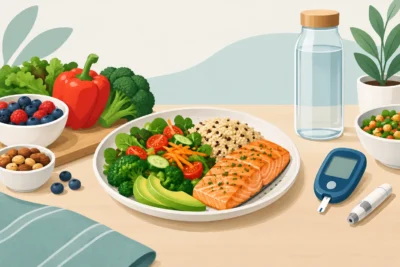
8 Best Supplements for Diabetes Support


A lot of people buy a blood sugar supplement hoping for one simple fix. Then they end up with a bottle full of big promises, little clarity, and no real plan. If you are searching for the best supplements for diabetes support, the smartest approach is not to ask what is strongest. It is to ask what actually helps, for whom, and under what conditions.
Supplements can support blood sugar control, insulin sensitivity, nerve health, and overall metabolic function. But they work best when they sit on top of the basics: better meals, daily movement, weight loss if needed, sleep, and stress control. That matters because no capsule can outwork a high-sugar diet and a sedentary routine. Still, some supplements do have a useful role, especially for adults with Type 2 diabetes or prediabetes who want a natural-first strategy.
What you\'ll find in this article?
What makes the best supplements for diabetes support?
The best options tend to do one of four things. They may help the body respond better to insulin, slow carbohydrate absorption, support healthy fasting blood sugar, or address common nutrition gaps linked to metabolic problems. A good supplement also has a reasonable safety profile, a dose that matches research, and a purpose that fits your situation.
That last point is where many people go wrong. Someone with insulin resistance and extra weight may respond differently than someone whose main issue is nerve discomfort, magnesium deficiency, or large blood sugar spikes after meals. Support should match the problem.
1. Magnesium
Magnesium is one of the most practical places to start because many adults do not get enough of it. Low magnesium levels are linked with insulin resistance, poor blood sugar control, and higher risk of Type 2 diabetes. It also plays a role in muscle function, sleep, blood pressure, and energy production.

For some people, magnesium support may help improve insulin sensitivity and fasting glucose, especially if intake is low to begin with. It is not a dramatic overnight change, but it can be a useful part of a broader plan.
Forms matter. Magnesium glycinate is often easier on the stomach, while magnesium citrate may be more likely to loosen stools. People with kidney disease need medical guidance before using magnesium supplements.
2. Berberine
Berberine gets a lot of attention for a reason. It is a plant compound that has been studied for blood sugar, insulin sensitivity, and even cholesterol support. In some studies, it has shown effects that are meaningful enough to make people take notice, especially in Type 2 diabetes.
The appeal is obvious. Berberine may help lower fasting blood sugar and improve the way the body handles glucose. Some people also notice benefits with appetite control and weight management, which matters because excess body fat is closely tied to insulin resistance.
The trade-off is that berberine is not right for everyone. It can cause digestive side effects, and it may interact with medications, including diabetes drugs. If you are already taking medicine that lowers blood sugar, combining it with berberine without guidance can push levels too low.

3. Cinnamon
Cinnamon is one of the most talked-about natural remedies for blood sugar support. That popularity is partly deserved and partly overhyped. Some research suggests cinnamon may modestly help fasting blood sugar and insulin sensitivity, but results are mixed.
That does not make it useless. It just means expectations should be realistic. Cinnamon is better viewed as a small helper, not a major intervention. It may make the most sense for people with mild blood sugar issues or those building a broader food-first routine.
If using cinnamon as a supplement, quality matters. Cassia cinnamon contains more coumarin, which can be a concern in high amounts over time. Ceylon cinnamon is often preferred for long-term use.
4. Alpha-lipoic acid
Alpha-lipoic acid, often called ALA, is best known for its antioxidant effects and possible support for diabetic nerve discomfort. That makes it especially relevant for adults dealing with tingling, burning, or numbness in the feet or hands.
There is also some evidence that ALA may support insulin sensitivity. So while it is not always the first supplement people think of for blood sugar itself, it may offer a double benefit in the right person.
This is a good example of why the best supplement depends on your goal. If your main concern is post-meal glucose spikes, another option may fit better. If nerve symptoms are part of the picture, ALA becomes much more interesting.
5. Chromium
Chromium is a trace mineral involved in how the body processes carbohydrates and insulin. It has been marketed for blood sugar support for years, and some studies suggest it may help certain people with glucose control.
The keyword is certain. Chromium does not appear to help everyone equally. It may be more useful in people with low chromium status or more obvious insulin resistance. For others, the effect may be minimal.
That does not mean it should be ignored, but it does mean chromium should not be treated like a guaranteed fix. It is usually better as part of a targeted plan than as a random add-on.
6. Fiber supplements
If blood sugar tends to rise sharply after meals, fiber supplements deserve more attention than they usually get. Soluble fiber, including psyllium, can slow digestion and help reduce the blood sugar impact of meals. It may also support weight control, digestion, and cholesterol.
This is one of the most practical forms of diabetes support because it works with food rather than trying to overpower bad habits. A fiber supplement before or with a carbohydrate-heavy meal may help smooth out the glucose response.
There is a simple catch. Fiber works best when water intake is adequate, and it should be increased gradually. It can also affect the absorption of some medications, so timing matters.
7. Vitamin D
Vitamin D is not a classic blood sugar supplement, but low levels are common and may be linked with poorer metabolic health. Some people with prediabetes or Type 2 diabetes also struggle with fatigue, low mood, or limited sun exposure, which makes vitamin D status more relevant.
Supplementing vitamin D is most useful when there is an actual deficiency or insufficiency. In that case, correcting low levels may support overall health and possibly help with insulin function. If levels are already normal, the payoff may be smaller.
This is why testing can be more valuable than guessing. The best plan is not always to take more supplements. Sometimes it is to identify what your body is actually missing.
8. Omega-3s
Omega-3 fatty acids are not known for lowering blood sugar directly, but they can still be helpful for people with diabetes risk. Many adults with blood sugar issues also deal with high triglycerides, inflammation, cardiovascular risk, or excess weight around the midsection.
Omega-3s may support heart health and triglyceride levels, which matters because diabetes is not only about glucose. It is about the whole metabolic picture. A supplement that supports the heart can still be part of a smart diabetes support plan, even if it does not move fasting glucose much.
How to choose the right supplement for your needs
Start with the problem you want to solve. If you want help with insulin resistance, berberine or magnesium may deserve a closer look. If post-meal spikes are the issue, fiber may be more useful. You are dealing with nerve discomfort, alpha-lipoic acid may fit better.
Next, look at your current routine. If your meals are still heavy in refined carbs and you rarely move after eating, a supplement is not the next step. Your next step is behavior change. Even a ten-minute walk after meals can help blood sugar in a way that many people can actually feel on their meter.
Also check for overlap. Many blood sugar formulas combine several ingredients, but more is not always better. Stacking multiple products can increase side effects, raise costs, and make it harder to tell what is helping.
Safety matters more than hype
Natural does not automatically mean safe. Some supplements can lower blood sugar enough to interact with insulin or oral diabetes medications. Others may affect the liver, kidneys, digestion, or medication absorption.
That is especially important if you take metformin, sulfonylureas, insulin, blood thinners, or blood pressure medication. If your blood sugar is already improving through diet and weight loss, adding a supplement may change your needs faster than expected.
A smart rule is to introduce one supplement at a time and watch your response. Track fasting levels, post-meal readings, energy, digestion, and any symptoms of low blood sugar. That gives you useful feedback instead of guesswork.
The real foundation of diabetes support
The best supplements for diabetes support are exactly that - support. They are not the foundation. The foundation is still built with lower-sugar meals, enough protein and fiber, strength training, walking, better sleep, and steady weight loss when needed.
That is actually good news. It means your progress does not depend on finding one miracle ingredient. It depends on stacking practical habits that move your blood sugar in the right direction, then using the right supplement to reinforce the work you are already doing.
If you want results that last, think of supplements as assistants, not leaders. Choose the one that matches your biggest need, use it carefully, and keep your main focus on the daily actions that give you your health back.
Important notice: The content of Diabetes Cure Now is solely educational and informational and does not replace the evaluation, diagnosis, or treatment of a doctor or health professional. Before making changes to your diet, exercise, or medication, consult with a qualified professional..
Content reviewed for educational purposes and based on public medical sources.
Sources consulted
- American Diabetes Association (ADA)
- Mayo Clinic
- CDC
- NIH
12 Diabetic Recipes That Keep Meals Balanced
Diabetic Kidney Health Guide for Daily Protection

How to Start Walking With Diabetes Safely
10 Healthy Soups for Diabetics That Satisfy
Do Chia Seeds for Blood Sugar Really Help?

How to Reduce Dawn Phenomenon Naturally
Is Fruit Safe for Diabetes? What to Know
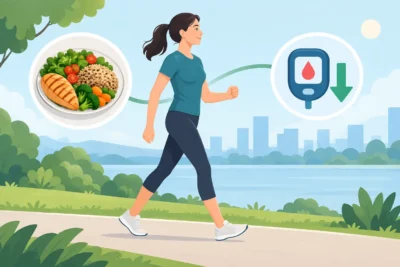
How to Walk After Meals for Better Blood Sugar