
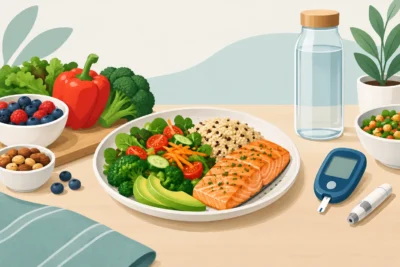
10 Best Vegetables for Blood Sugar


If your blood sugar feels unpredictable, your dinner plate is one of the fastest places to make a real change. The best vegetables for blood sugar are not exotic or hard to find. They are everyday foods that help slow digestion, improve fullness, and make higher-carb meals easier for your body to handle.
That matters because blood sugar control is rarely about one magic food. It is about building meals that work with your metabolism instead of against it. Vegetables can help you do that without feeling deprived, and for many people with prediabetes or Type 2 diabetes, that is where momentum starts.
What you\'ll find in this article?
Why vegetables matter for blood sugar
Most non-starchy vegetables are naturally low in calories and carbohydrates, but high in fiber, water, and beneficial plant compounds. That combination can help reduce sharp glucose spikes after meals and support weight loss, which is a major driver of better insulin sensitivity.
Fiber is the big reason. It slows the breakdown of food and helps glucose enter the bloodstream more gradually. Vegetables also add bulk to meals, so you are less likely to overeat foods that send blood sugar higher.
This does not mean every vegetable affects blood sugar the same way. Starchy vegetables like potatoes, corn, and peas can still fit in a healthy diet, but they usually need more portion awareness. When people ask about the best vegetables for blood sugar, they are usually talking about non-starchy choices that give you the most benefit for the least glucose impact.

10 best vegetables for blood sugar
1. Leafy greens
Spinach, kale, romaine, collards, arugula, and Swiss chard are some of the smartest foods you can put on your plate. They are very low in digestible carbs and packed with nutrients, including magnesium, which plays a role in blood sugar regulation.
Leafy greens are also easy to use. Add them to omelets, soups, smoothies, salads, or stir-fries. If you are trying to improve blood sugar fast, replacing part of your usual starch with greens is a simple move that often pays off.
2. Broccoli
Broccoli is one of the most reliable vegetables for metabolic health. It is rich in fiber and has compounds linked to better glucose handling and lower inflammation.
Steamed, roasted, or sautéed broccoli works well because it is filling without being heavy. If you tend to snack after dinner, meals built around broccoli often keep you full longer than meals centered on refined carbs.
3. Cauliflower
Cauliflower deserves its reputation. It is mild, versatile, and easy to turn into lower-carb versions of comfort foods. Cauliflower rice, mashed cauliflower, and roasted florets can help reduce the blood sugar load of a meal without making it feel restrictive.

This is especially useful if rice, pasta, or potatoes tend to push your glucose too high. You do not have to give up those foods forever, but swapping part of them for cauliflower can make a noticeable difference.
4. Brussels sprouts
Brussels sprouts are high in fiber and surprisingly satisfying. They pair well with protein and healthy fats, which is exactly the kind of meal structure that supports steadier blood sugar.
Some people avoid them because of the taste, but roasting changes that. A crispy tray of roasted Brussels sprouts often wins over people who thought they hated them.
5. Zucchini
Zucchini is one of the easiest vegetables to use more often because it fits into almost any meal. It is low in carbs, cooks quickly, and takes on the flavor of whatever you add to it.
You can grill it, roast it, spiralize it into noodles, or fold it into casseroles and egg dishes. For people trying to lose weight and lower blood sugar at the same time, zucchini is a strong staple because it adds volume with very little glucose impact.
6. Cabbage
Green cabbage, red cabbage, and Napa cabbage are affordable, filling, and underrated. They provide fiber and crunch, which can help meals feel more satisfying.
Cabbage is also practical. It lasts well in the refrigerator and works raw in slaws or cooked in soups, stir-fries, and skillet meals. If your food budget matters, cabbage is one of the best vegetables for blood sugar because it is both effective and inexpensive.
7. Bell peppers
Bell peppers are slightly sweeter than some other non-starchy vegetables, but they are still a strong choice for blood sugar control. They provide fiber, vitamin C, and color, which usually means a wider range of helpful plant nutrients.
Use them sliced with hummus, scrambled with eggs, or cooked with onions and chicken. They help add flavor to meals, and that matters because the more enjoyable your meals are, the easier it is to stay consistent.
8. Green beans
Green beans are a helpful middle ground for people who want something heartier than leafy greens but lighter than starchy sides. They contain fiber and are easy to pair with almost any protein.
Fresh, frozen, or lightly sautéed green beans all work. Just watch heavy casseroles or sugary sauces, which can turn a healthy side dish into a blood sugar problem.
9. Asparagus
Asparagus is low in carbs and fits well into lunch or dinner plans aimed at better glucose control. It also pairs naturally with fish, chicken, eggs, and olive oil, making it easy to build balanced meals.
If you are trying to simplify your routine, asparagus is useful because it cooks fast and does not need much seasoning. Sometimes the best food choices are the ones you can repeat without effort.
10. Cucumbers
Cucumbers are not the most filling vegetable on their own, but they are excellent for adding volume and freshness without many carbs. They are especially helpful for snacks and salads, where they can replace more processed options.
If afternoon cravings are a problem, sliced cucumbers with a protein-rich dip can be a much smarter choice than crackers or chips.
How to make the best vegetables for blood sugar work even better
Vegetables help most when they are part of a balanced meal. Eating broccoli next to a basket of bread is different from eating broccoli with salmon and olive oil. Protein, fiber, and healthy fats work together to slow digestion and reduce big blood sugar swings.
Cooking method matters too. Roasting, steaming, grilling, and sautéing are usually good options. Deep frying adds calories and can work against weight loss goals. Heavy breading or sugary glazes can also cancel out some of the benefit.
Portion size still matters, even with healthy food. Non-starchy vegetables are very forgiving, but if they are covered in creamy sauces or paired with large servings of white rice, pasta, or dessert, blood sugar can still climb.
What about starchy vegetables?
This is where some confusion starts. Not all vegetables are low impact. Potatoes, sweet potatoes, corn, peas, and winter squash contain more carbohydrates and can raise blood sugar more noticeably.
That does not mean you need to fear them. It means you need to use them strategically. For some people, a small serving of sweet potato with grilled chicken and a large salad works fine. For others, even that amount causes a spike. Your meter or continuous glucose monitor can help you see the difference.
This is why personalized testing matters. The best vegetables for blood sugar are usually non-starchy vegetables, but your full meal pattern, activity level, medications, and insulin sensitivity all affect the result.
Easy ways to eat more blood sugar-friendly vegetables
You do not need a complicated meal plan to get started. Add spinach to breakfast eggs. Replace part of your rice with cauliflower rice. Roast a sheet pan of broccoli or Brussels sprouts with dinner. Keep cucumbers, peppers, and cabbage ready in the fridge so healthy choices are easier when you are tired or hungry.
It also helps to build meals in a simple order. Start with protein, add one or two non-starchy vegetables, then decide whether you need a starch. That small shift can reduce mindless carb overload and make blood sugar more manageable without counting every bite.
If you are just starting, focus on consistency rather than perfection. One vegetable-rich meal every day is better than an ambitious plan you abandon in three days.
A practical note on canned and frozen vegetables
Fresh is not the only good option. Frozen vegetables are often just as nutritious and can make healthy eating much easier. Canned vegetables can work too, especially if you choose low-sodium versions or rinse them before eating.
The best choice is the one you will actually use. A bag of frozen broccoli in your freezer is far more helpful than fresh produce that spoils before you cook it.
Blood sugar improvement usually comes from repeatable habits, not ideal ones. Start with vegetables you already like, cook them in ways you enjoy, and build meals that leave you feeling steady instead of drained. That is how real progress begins.
Important notice: The content of Diabetes Cure Now is solely educational and informational and does not replace the evaluation, diagnosis, or treatment of a doctor or health professional. Before making changes to your diet, exercise, or medication, consult with a qualified professional..
Content reviewed for educational purposes and based on public medical sources.
Sources consulted
- American Diabetes Association (ADA)
- Mayo Clinic
- CDC
- NIH
12 Diabetic Recipes That Keep Meals Balanced
Diabetic Kidney Health Guide for Daily Protection

How to Start Walking With Diabetes Safely
10 Healthy Soups for Diabetics That Satisfy
Do Chia Seeds for Blood Sugar Really Help?

How to Reduce Dawn Phenomenon Naturally
Is Fruit Safe for Diabetes? What to Know
How to Walk After Meals for Better Blood Sugar