
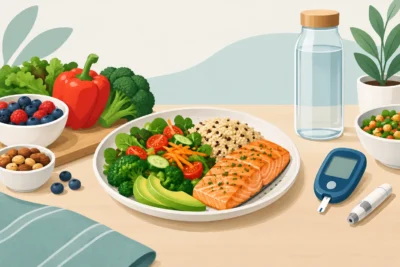
Diabetes Grocery Shopping Guide That Works


The toughest part of eating for better blood sugar often happens before you cook a single meal. It happens standing in the grocery aisle, staring at labels, comparing breads, wondering if a "healthy" snack is actually working against you. A smart diabetes grocery shopping guide can take that stress down fast and help you fill your cart with foods that support steadier numbers, better energy, and real progress.
For many people with Type 2 diabetes or prediabetes, grocery shopping feels confusing because the store is full of mixed signals. Packaging says natural, low fat, whole grain, or heart healthy, yet those products can still be packed with added sugar or refined starch. The goal is not to shop perfectly. The goal is to make better choices more consistently so your kitchen starts working for you instead of against you.
What you\'ll find in this article?
- Why your grocery cart matters so much
- A diabetes grocery shopping guide starts with a simple rule
- Shop the store with a blood sugar plan
- How to read labels without getting overwhelmed
- The foods most likely to throw you off track
- What a realistic diabetes grocery shopping guide looks like in your cart
- How to shop if you are on a budget
- One more thing before you shop
Why your grocery cart matters so much
Your daily blood sugar is shaped by patterns, not one meal in isolation. What you bring home decides what you eat when you are rushed, tired, stressed, or hungry. If your cart is full of sweetened yogurt, cereal, chips, crackers, frozen dinners, and fruit juice, good intentions usually lose by Wednesday.
On the other hand, when your refrigerator and pantry are stocked with protein, fiber-rich produce, healthy fats, and simple staples, better meals become easier. That matters because easier choices are the ones people actually repeat. Sustainable blood sugar improvement usually starts with repeatable habits, not complicated meal plans.
A diabetes grocery shopping guide starts with a simple rule
Before you get into specific foods, keep one filter in mind. Build your cart around foods that are closer to their natural state and less likely to spike blood sugar quickly. That usually means more vegetables, quality protein, beans, nuts, seeds, plain dairy, and high-fiber carbs in sensible portions. It usually means less sugary, ultra-processed, and refined food.

This is where some people get stuck. They assume managing diabetes means cutting out all carbohydrates forever. That is not realistic for everyone, and it is not always necessary. Carbs matter, but the type of carb, the amount, and what you eat with it matter too. Steel-cut oats and soda are not the same. A small serving of berries with Greek yogurt works differently than a giant muffin eaten alone.
Shop the store with a blood sugar plan
A practical diabetes grocery shopping guide is really a store map. If you know what to focus on in each section, shopping gets much easier.
Produce
This is one of the strongest sections for blood sugar support. Non-starchy vegetables should take up a big share of your cart because they provide fiber, nutrients, and volume without a heavy glucose load. Good staples include spinach, lettuce, broccoli, cauliflower, zucchini, green beans, cucumbers, peppers, asparagus, cabbage, mushrooms, and Brussels sprouts.
Fruit can still fit, but portion and choice matter. Berries, apples, pears, cherries, and citrus are usually more blood sugar-friendly than dried fruit or oversized servings of tropical fruit. Whole fruit is usually a better choice than juice because fiber slows absorption.
Frozen vegetables and frozen berries are excellent options too. They are convenient, often less expensive, and reduce the chance that food goes bad before you use it.

Protein
Protein helps with fullness and can reduce the urge to snack on high-carb foods later. Look for eggs, chicken, turkey, fish, canned tuna or salmon, plain Greek yogurt, cottage cheese, tofu, tempeh, and lean cuts of beef or pork if you eat them.
Processed meats are where trade-offs come in. They are low in carbs, but frequent use of bacon, sausage, and deli meat may not be the best choice for long-term health because of sodium and processing. They can be practical sometimes, but they should not become the foundation of your plan.
Dairy and dairy alternatives
Plain versions are usually your safest bet. Plain Greek yogurt, cottage cheese, and unsweetened almond milk are common smart picks. Flavored yogurt can look healthy while delivering dessert-level sugar, so check the label carefully.
If you use plant-based milk, watch for added sugar. Unsweetened matters. A product labeled vanilla or original can still contain enough added sweetener to raise blood sugar more than you expect.
Grains and bread
This is one of the easiest places to get fooled. Many breads, wraps, cereals, and crackers marketed as whole grain are still highly processed and low in fiber. Look for short ingredient lists, real whole grains, and more fiber per serving.
Better choices often include old-fashioned oats, quinoa, brown rice, sprouted grain bread, and high-fiber tortillas. Even then, portion matters. Whole grains are generally better than refined grains, but they are still carbs. If your blood sugar runs high, you may do better with smaller servings paired with protein and vegetables.
Canned and packaged foods
This section can either help you or sabotage you. Useful staples include beans, lentils, canned tomatoes, tuna, salmon, nut butter, chia seeds, flaxseed, olives, and lower-sugar sauces. Beans are a great example of a food that contains carbs but also brings fiber and protein, which can make them a better option than white rice or pasta for many people.
Watch for hidden sugar in pasta sauce, soup, salad dressing, instant oatmeal, granola bars, and "health" snacks. This is where label reading becomes a skill that pays off.
How to read labels without getting overwhelmed
You do not need to inspect every detail on every package. Focus on a few numbers that matter most. Start with serving size, because a label can look reasonable until you realize the package contains two or three servings.
Then check total carbohydrates, fiber, and added sugar. In general, more fiber and less added sugar is a better direction. The ingredient list helps too. If sugar, corn syrup, honey, rice syrup, or other sweeteners show up near the top, that food is likely not doing your blood sugar any favors.
It also helps to compare similar products side by side. One jar of pasta sauce might have 12 grams of sugar per serving, while another has 4. One bread may have 1 gram of fiber, while another has 5. Those small swaps add up quickly over weeks and months.
The foods most likely to throw you off track
Some foods cause problems because they are obviously sugary. Others cause trouble because they seem harmless and get eaten often. Sweet drinks are one of the biggest issues, including soda, sweet tea, energy drinks, specialty coffee drinks, and fruit juice. They raise blood sugar quickly and do little for fullness.
Refined snack foods are another common trap. Crackers, pretzels, chips, granola bars, and "baked" snacks can keep glucose elevated while leaving you hungry again soon after. Sugary cereals, pastries, flavored oatmeal, and large bakery muffins also hit hard in the morning when many people are trying to start the day right.
That does not mean you can never enjoy a treat. It means treats should be chosen intentionally rather than slipping into your cart by habit.
What a realistic diabetes grocery shopping guide looks like in your cart
A strong cart does not need to be expensive or fancy. It might include eggs, chicken thighs, canned tuna, plain Greek yogurt, spinach, broccoli, cauliflower rice, bell peppers, berries, apples, avocados, black beans, oats, chia seeds, almond butter, olive oil, and a loaf of higher-fiber bread.
With that mix, you can make simple meals that support your goals. Eggs with vegetables. Greek yogurt with berries and seeds. Salad with chicken and olive oil dressing. Salmon with broccoli. A bean bowl with chopped vegetables and avocado. These meals are not trendy. They are practical, filling, and easier on blood sugar than standard convenience food.
How to shop if you are on a budget
You do not need expensive superfoods to improve your numbers. Frozen vegetables, eggs, canned fish, dry beans, peanut butter, plain oatmeal, cabbage, carrots, and store-brand Greek yogurt can all fit a lower-cost plan. Buying fewer sugary drinks, snack foods, and packaged convenience meals often frees up money for better basics.
If fresh produce keeps going bad, buy less at one time or use more frozen options. If meat is expensive, use eggs, beans, cottage cheese, or canned fish more often. It depends on your budget, taste, and what you will realistically eat. The best plan is one you can keep doing.
One more thing before you shop
Do not go to the store hungry, and do not go without a plan. Even a short list can protect you from impulse buying. Think in terms of meals, not random items. Ask yourself what you will eat for breakfast, lunch, dinner, and snacks over the next few days. That small shift can dramatically improve what ends up in your cart.
At Diabetes Cure Now, the message is simple: better blood sugar starts with better daily decisions, and grocery shopping is one of the most powerful places to take control. You do not need perfection this week. You need a cart that gives your body a better chance tomorrow.
Important notice: The content of Diabetes Cure Now is solely educational and informational and does not replace the evaluation, diagnosis, or treatment of a doctor or health professional. Before making changes to your diet, exercise, or medication, consult with a qualified professional..
Content reviewed for educational purposes and based on public medical sources.
Sources consulted
- American Diabetes Association (ADA)
- Mayo Clinic
- CDC
- NIH
12 Diabetic Recipes That Keep Meals Balanced
Diabetic Kidney Health Guide for Daily Protection

How to Start Walking With Diabetes Safely
10 Healthy Soups for Diabetics That Satisfy
Do Chia Seeds for Blood Sugar Really Help?

How to Reduce Dawn Phenomenon Naturally
Is Fruit Safe for Diabetes? What to Know
How to Walk After Meals for Better Blood Sugar