
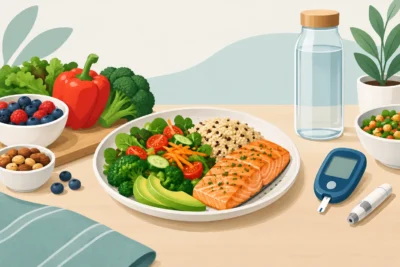
Metformin vs Berberine for Blood Sugar


If you are comparing metformin vs berberine for blood sugar, you are probably trying to answer a very practical question: what actually helps lower glucose in a way you can live with long term? That matters, because better blood sugar control is not just about a lower number on a lab test. It affects energy, appetite, weight, cravings, and your risk of future complications.
For many people, this comparison comes down to values as much as results. Some want a prescription option with a long track record. Others want a more natural-first approach and are looking at supplements before medication. The right answer is not the same for everyone, and that is exactly why this topic deserves a clear, honest look.
What you\'ll find in this article?
- Metformin vs berberine for blood sugar: what is the difference?
- How metformin works
- How berberine works
- Which one is stronger?
- Side effects and safety: an honest trade-off
- Can berberine replace metformin?
- The bigger issue: neither works well without lifestyle changes
- How to choose between metformin and berberine
- What most people should remember
Metformin vs berberine for blood sugar: what is the difference?
Metformin is a prescription medication commonly used for type 2 diabetes and prediabetes. Doctors often recommend it because it can help lower fasting blood sugar, improve insulin sensitivity, and reduce the amount of glucose the liver releases into the bloodstream. It has been studied for decades and is usually one of the first medications offered when lifestyle changes alone are not enough.
Berberine is a plant compound found in several herbs. It is sold as a dietary supplement, not a prescription drug. People are often drawn to berberine because it is considered a natural option and may support blood sugar control, insulin sensitivity, and in some cases cholesterol and triglyceride levels as well.
On the surface, they can seem surprisingly similar. Both are often discussed for their effects on glucose metabolism. Both may help some people with insulin resistance. But they are not interchangeable in a simple way. One is a regulated medication with standard dosing and strong clinical use. The other is a supplement, which means quality, absorption, and consistency can vary between brands.

How metformin works
Metformin mainly helps by reducing the liver's production of glucose and making the body more responsive to insulin. That means your body may do a better job moving sugar out of the bloodstream and into cells where it can be used for energy. It does not usually cause low blood sugar by itself, which is one reason it is so widely used.
Another reason people stay on metformin is that it tends to be weight-neutral or may support modest weight loss in some cases. For people with type 2 diabetes who are also struggling with weight gain and insulin resistance, that can make a real difference.
Still, metformin is not perfect. The most common downside is digestive upset. Nausea, gas, diarrhea, and stomach discomfort are common when starting it or increasing the dose. Some people adjust over time, especially with extended-release forms, while others never tolerate it well.
How berberine works
Berberine appears to affect several pathways involved in blood sugar regulation. It may help improve insulin sensitivity, influence how the body uses glucose, and support healthier metabolism overall. This is why it has become popular in wellness circles and among people looking for non-prescription support.
Some research suggests berberine may help lower fasting blood sugar and A1C in certain people. That is promising, especially for adults with prediabetes, mild blood sugar issues, or strong motivation to improve through nutrition, movement, and targeted supplements.

But berberine has limits. It is not as standardized as a prescription medication, and not every supplement on the shelf is made the same way. Some people also get side effects such as constipation, cramping, nausea, or diarrhea. Natural does not always mean gentle.
Which one is stronger?
If you want the short answer, metformin is usually the more established and dependable option for blood sugar control. It has more research behind it, clearer dosing guidance, and stronger medical oversight. For someone with diagnosed type 2 diabetes and consistently elevated glucose, metformin is often the safer bet if the goal is reliable improvement.
Berberine may still be useful, but its best role is often as part of a broader natural strategy rather than a guaranteed replacement for medication. That distinction matters. If your blood sugar is creeping up and you are trying to intervene early, berberine may be worth discussing with a qualified healthcare professional. If your numbers are already in the diabetic range or you have symptoms of poor control, relying only on a supplement can delay the treatment you need.
Side effects and safety: an honest trade-off
This is where metformin vs berberine for blood sugar becomes more personal.
Metformin's side effects are well known. Doctors know what to watch for, how to adjust dosing, and when it should not be used. That structure gives many people peace of mind. On the other hand, some readers simply do not want to start a medication if they believe lifestyle changes still have room to work.
Berberine feels more aligned with a natural-first mindset, but that does not automatically make it safer. It can interact with medications. It may not be appropriate for people with certain medical conditions. Because supplements are less tightly regulated than prescriptions, purity and potency are not always consistent.
There is also a practical issue many people overlook: berberine often needs to be taken multiple times a day, while metformin may be easier to fit into a routine depending on the form prescribed. If a plan is hard to follow, it usually does not last.
Can berberine replace metformin?
Sometimes people ask this because they want to avoid medication entirely. That is understandable. But the safest answer is no, not on your own.
For someone with mild insulin resistance, borderline glucose, or prediabetes, a healthcare provider may be open to trying lifestyle changes first, sometimes with supportive supplements. In that situation, berberine may be part of the conversation. But if you have established type 2 diabetes, high fasting glucose, elevated A1C, or signs that your blood sugar is affecting your health, stopping or replacing metformin without medical guidance can backfire.
The better question is whether berberine fits into your overall plan. In some cases, it may. In others, it may add complexity without enough benefit. What matters most is your actual blood sugar response, not the label on the bottle.
The bigger issue: neither works well without lifestyle changes
This is the part many people do not want to hear, but it is where real progress happens. Neither metformin nor berberine can outrun a diet built around sugar-heavy drinks, oversized portions, poor sleep, chronic stress, and little movement.
If you want better blood sugar, the basics still matter most. Eating more protein and fiber, cutting back on ultra-processed carbohydrates, walking after meals, losing even a modest amount of weight, and improving sleep can dramatically change your numbers. For some people, those changes reduce the need for medication. For others, they make medication work better.
That is why a natural-first approach does not have to mean anti-medication. It can mean using food, exercise, and weight loss as the foundation, then choosing the support that fits your health status. Sometimes that support is berberine. Sometimes it is metformin. And it is both lifestyle and prescription treatment working together while you regain control.
How to choose between metformin and berberine
Start with your current health picture, not your preference alone. If your A1C is significantly elevated, your fasting blood sugar is consistently high, or your doctor has already diagnosed type 2 diabetes, metformin may be the more appropriate place to start. It gives you a clearer, more monitored path.
If your blood sugar is only mildly elevated and you are highly committed to changing your eating habits, becoming more active, and tracking your response, berberine may be worth asking about. But choose that route carefully. You need a quality product, a realistic plan, and a way to monitor progress.
It also helps to ask a few practical questions. Can you tolerate digestive side effects? Do you want a prescription with standard dosing or a supplement with more variation? Are you looking for a short-term tool while improving your habits, or a longer-term strategy? Honest answers make the decision easier.
At Diabetes Cure Now, we believe the most powerful results usually come from action you can repeat every day. A pill or supplement can support that process, but it should not replace it.
What most people should remember
Metformin is generally the more proven option for lowering blood sugar, especially in type 2 diabetes. Berberine is appealing for people who want a natural approach, and it may help some individuals, but it is not a simple substitute for medical treatment. The best choice depends on how high your blood sugar is, how consistent your habits are, what side effects you can tolerate, and whether you are making this decision with proper guidance.
The encouraging part is this: you do not have to wait for perfect conditions to improve your blood sugar. Start where you are, clean up the daily habits that drive insulin resistance, and choose support that matches your real needs, not just your ideal scenario.
Important notice: The content of Diabetes Cure Now is solely educational and informational and does not replace the evaluation, diagnosis, or treatment of a doctor or health professional. Before making changes to your diet, exercise, or medication, consult with a qualified professional..
Content reviewed for educational purposes and based on public medical sources.
Sources consulted
- American Diabetes Association (ADA)
- Mayo Clinic
- CDC
- NIH
12 Diabetic Recipes That Keep Meals Balanced
Diabetic Kidney Health Guide for Daily Protection

How to Start Walking With Diabetes Safely

10 Healthy Soups for Diabetics That Satisfy
Do Chia Seeds for Blood Sugar Really Help?

How to Reduce Dawn Phenomenon Naturally
Is Fruit Safe for Diabetes? What to Know

How to Walk After Meals for Better Blood Sugar