
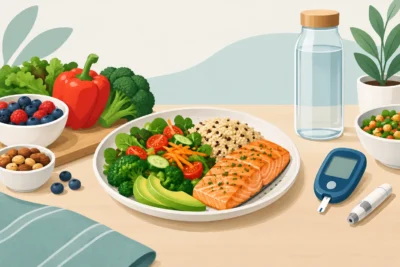
Type 2 Diabetes Remission Guide


A high blood sugar reading can feel like a warning siren. For many people, it also brings one big question - can this be turned around? This type 2 diabetes remission guide is built for that exact moment. Not with hype, and not with empty promises, but with practical steps that help many adults improve blood sugar, reduce medication needs, and in some cases reach remission.
First, it helps to define the goal clearly. Remission does not mean type 2 diabetes is permanently gone. It usually means blood sugar levels return to a non-diabetic range for a sustained period without diabetes medication, or with major improvement depending on the definition being used. That matters because the work does not stop once numbers improve. Remission is something you maintain through daily habits.
What you\'ll find in this article?
What remission really means
Type 2 diabetes develops when the body struggles to use insulin well and, over time, may not make enough of it to keep blood sugar in a healthy range. Excess body fat, especially around the liver and pancreas, often plays a major role. Genetics matter too, along with sleep, stress, activity level, and diet quality.
For some people, substantial lifestyle change can lower insulin resistance enough for blood sugar to normalize. Weight loss is often the biggest driver, but it is not the only one. Better food choices, regular movement, improved sleep, and consistent monitoring all work together. Some people reach remission quickly. Others make major progress without fully meeting the remission definition. Both outcomes are meaningful.
The type 2 diabetes remission guide starts with one question
How much pressure can you take off your blood sugar system starting now?

That is the practical way to think about remission. Every step that reduces blood sugar spikes, trims excess weight, improves insulin sensitivity, and lowers inflammation moves you in the right direction. You do not need a perfect body or a perfect routine. You need a plan you can keep following.
Step 1: Make weight loss a metabolic priority
For many adults with type 2 diabetes, losing 10% to 15% of body weight can lead to dramatic blood sugar improvement. In some cases, even less weight loss helps. The reason is simple. When fat stored in the liver and around other organs drops, insulin often works better and the body becomes less overwhelmed.
This does not mean crash dieting is the answer. Fast results can be motivating, but extreme plans are hard to sustain and may backfire. A better approach is to create a steady calorie deficit while protecting muscle mass and energy. That usually means eating fewer refined carbs and ultra-processed foods, increasing protein and fiber, and building meals around foods that actually satisfy you.
If you have had diabetes for many years, remission may be harder to achieve, but not impossible. The earlier you act, the better your chances tend to be.
Step 2: Change what is on your plate
There is no single diabetes diet that works for everyone. That is the truth. But there are clear patterns that tend to help.

Most people do better when they cut back hard on sugar, sweet drinks, white bread, pastries, chips, and oversized portions of rice, pasta, and potatoes. These foods can raise blood sugar quickly and keep hunger swinging all day. Replacing them with non-starchy vegetables, eggs, fish, chicken, Greek yogurt, beans, berries, nuts, seeds, and healthy fats often creates much steadier readings.
Some people respond very well to a lower-carb approach. Others prefer a Mediterranean-style plan with controlled portions of higher-quality carbs. The best choice depends on what you can stick with, what your glucose meter shows, and whether you have other health concerns such as kidney disease.
A simple meal pattern works well for many readers: build your plate around protein first, add a large serving of vegetables, then include a modest portion of carbs if your body tolerates them well. That one shift can change a lot.
Step 3: Use movement to lower blood sugar every day
Exercise is not just about burning calories. It helps your muscles pull glucose out of the bloodstream, often right away. That makes movement one of the fastest natural tools for improving blood sugar control.
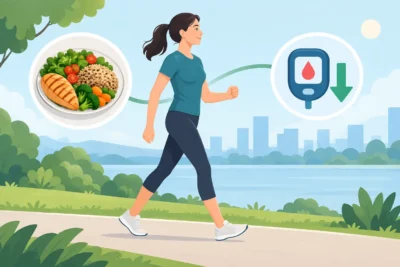
Walking after meals is especially powerful. Even 10 to 20 minutes can help reduce the glucose rise that follows eating. Strength training matters too because more muscle usually means better insulin sensitivity. You do not need to become a gym person overnight. Bodyweight exercises, resistance bands, light dumbbells, or chair-based routines can all help.
The sweet spot for many adults is a mix of daily walking and two to four strength sessions each week. If you are sedentary right now, start smaller than you think you need to. The goal is consistency, not burnout.
A practical type 2 diabetes remission guide for daily habits
Food and exercise get most of the attention, but daily habits behind the scenes can make remission easier or harder.
Sleep is one of them. Poor sleep can increase hunger, worsen insulin resistance, and make cravings much harder to manage. If you are sleeping five or six broken hours a night, your body is fighting an uphill battle. Aim for a steady sleep schedule and take snoring or possible sleep apnea seriously, especially if you carry extra weight.
Stress matters too. Chronic stress raises hormones that can push blood sugar higher. That does not mean you need a perfect calm life. It means simple daily stress control can help. A short walk, deep breathing, a phone-free evening routine, or 10 quiet minutes outside may sound basic, but they support better choices all day.
Step 4: Track what your body is telling you
Guessing is frustrating. Tracking gives you feedback.
If you monitor fasting glucose and post-meal readings, you can start seeing patterns fast. Maybe oatmeal spikes you more than eggs. Maybe your blood sugar improves when you walk after dinner. Maybe late-night snacking is your biggest problem. These are the details that turn a generic plan into a personal one.
A1C is also important because it shows your average blood sugar over time. Remission is usually judged using lab results, not just a few good home readings. Work with your doctor to monitor progress safely, especially if you take insulin or blood sugar-lowering medication. As your numbers improve, medication needs can change.
Step 5: Be smart about medication changes
This part matters more than many people realize. If your food and exercise habits improve quickly, blood sugar can drop fast. That sounds good, but it can also create problems if you are still taking medications that lower glucose aggressively.
Never stop or reduce medication on your own. Instead, let your healthcare provider know you are actively working on blood sugar improvement. That creates room for safe adjustments if your readings start moving down. Natural-first does not mean reckless. It means using lifestyle as the foundation while staying safe.
Step 6: Expect plateaus and keep going
Remission is rarely a straight line. Weight loss may stall. Fasting glucose may stay stubborn even while after-meal numbers improve. You may have a strong month followed by a difficult one. That does not mean the plan failed.
The key is to respond without quitting. Tighten portions if needed. Get more consistent with sleep. Bring back post-meal walks. Cut the foods that trigger overeating. Often, progress returns when you go back to basics.
Who is most likely to reach remission?
People with more recent type 2 diabetes, excess weight, and a strong commitment to lifestyle change often have the best odds. Significant weight loss is one of the strongest predictors. That said, every case is different. Someone who does not reach full remission can still lower A1C, improve energy, lose weight, reduce fatty liver, and lower risk for complications. Those wins count.
Age alone does not disqualify you. Neither does having struggled before. What matters most is whether the plan fits real life closely enough to continue.
Common mistakes that slow progress
One mistake is chasing supplements while ignoring food quantity. Another is eating healthy foods in portions that still keep blood sugar too high. Some people also rely on exercise but never address late-night eating, liquid calories, or daily stress. Others expect a two-week fix and lose momentum when it takes longer.
At Diabetes Cure Now, the better message is this: do the simple things hard enough and long enough for your body to respond. That is where real change happens.
Remission is not about becoming perfect. It is about reducing the daily burden on your metabolism until your body starts working better again. Start with the next meal, the next walk, the next grocery trip, and the next blood sugar check. Small actions done consistently can change the direction of your health more than one dramatic promise ever will.
Important notice: The content of Diabetes Cure Now is solely educational and informational and does not replace the evaluation, diagnosis, or treatment of a doctor or health professional. Before making changes to your diet, exercise, or medication, consult with a qualified professional..
Content reviewed for educational purposes and based on public medical sources.
Sources consulted
- American Diabetes Association (ADA)
- Mayo Clinic
- CDC
- NIH
12 Diabetic Recipes That Keep Meals Balanced
Diabetic Kidney Health Guide for Daily Protection
How to Start Walking With Diabetes Safely

10 Healthy Soups for Diabetics That Satisfy
Do Chia Seeds for Blood Sugar Really Help?

How to Reduce Dawn Phenomenon Naturally
Is Fruit Safe for Diabetes? What to Know
How to Walk After Meals for Better Blood Sugar