
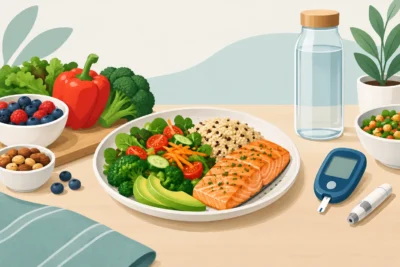
12 Best Foods for Prediabetes


That grocery cart matters more than most people realize. If you've been told your blood sugar is creeping up, the best foods for prediabetes can help you push back before high blood sugar turns into something harder to control. Food is not a magic fix, but it can change your numbers, your energy, and your momentum faster than many people expect.
Prediabetes is often driven by insulin resistance, which means your body is not handling carbs as efficiently as it should. The goal is not to fear every carbohydrate. The goal is to choose foods that digest more slowly, keep you full longer, and make it easier to avoid the blood sugar spikes that lead to crashes, cravings, and weight gain.
What you\'ll find in this article?
What makes the best foods for prediabetes work?
The best choices usually do three things well. They provide fiber, protein, or healthy fat. They are less processed and less likely to flood your bloodstream with sugar. And they make it easier to eat a consistent, realistic diet instead of swinging between strict eating and overeating.
That last point matters. A food can be healthy on paper and still not work for your real life if it leaves you hungry an hour later. For prediabetes, the winning pattern is meals that are satisfying, steady, and repeatable.
12 best foods for prediabetes
1. Nonstarchy vegetables
If you want one category to build meals around, start here. Broccoli, spinach, cauliflower, zucchini, green beans, cucumbers, peppers, and salad greens give you volume without a heavy blood sugar load. They are high in fiber and water, which helps with fullness and portion control.

They also work in almost any meal. Add spinach to eggs, roast cauliflower with dinner, or make half your lunch plate vegetables before adding anything else. This one habit alone can improve blood sugar control because it naturally crowds out more processed foods.
2. Beans and lentils
Beans surprise people because they contain carbohydrates, yet they are still among the best foods for prediabetes. The reason is fiber. Black beans, chickpeas, kidney beans, and lentils digest more slowly than refined starches and can help keep blood sugar steadier.
Portion size still matters. A large bowl of beans with rice can hit differently than a moderate serving of lentils paired with vegetables and protein. But used wisely, legumes are affordable, filling, and metabolically helpful.
3. Eggs
Eggs are simple, inexpensive, and useful when you need a breakfast that does not send blood sugar soaring. They provide protein and fat, which can help reduce midmorning hunger and cut down on the urge to snack on sugary foods.
The main advantage of eggs is what they replace. A breakfast of eggs and vegetables usually puts you in a better position than a bagel, sugary cereal, or pastries. If cholesterol is a concern for you personally, that is worth discussing with your doctor, but for many people eggs can fit well into a blood sugar-friendly routine.

4. Greek yogurt
Plain Greek yogurt is a strong option because it gives you protein with fewer carbs than many flavored yogurts. Protein helps slow digestion and improve satiety, which is especially useful if you tend to get hungry between meals.
The catch is the label. Many fruit-on-the-bottom or dessert-style yogurts are loaded with added sugar. Choosing plain Greek yogurt and adding a few berries, chia seeds, or cinnamon gives you more control.
5. Berries
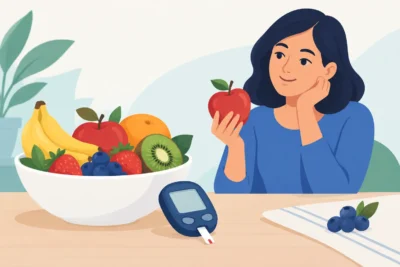
When people hear prediabetes, they often assume fruit is off-limits. That is usually not true. Berries such as strawberries, blueberries, raspberries, and blackberries tend to be better choices because they offer fiber and are generally lower in sugar than many tropical fruits or fruit juices.
Whole fruit is the key. Juice removes much of the fiber and is far easier to overconsume. A bowl of berries with yogurt or nuts works much better than a glass of orange juice if your goal is steadier blood sugar.
6. Nuts and seeds
Almonds, walnuts, pistachios, chia seeds, flaxseeds, and pumpkin seeds can help because they provide healthy fats, fiber, and some protein. They are easy to use as a snack, but they also improve meals. Adding chopped nuts or seeds to oatmeal, yogurt, or salads can make a carb-heavy meal more balanced.
This is one area where calories add up fast, so mindless eating can backfire if weight loss is one of your goals. A small portion is usually enough. The benefit comes from consistency, not from eating huge handfuls.
7. Avocados
Avocados are rich in healthy fats and fiber, which makes them helpful for fullness and blood sugar stability. They can also make healthy eating easier because they add flavor and texture to meals that might otherwise feel bland.
Try avocado with eggs, sliced on salads, or mashed onto whole-grain toast instead of sugary breakfast spreads. It is not a low-calorie food, so portion awareness still matters, but it can be a smart addition to a prediabetes meal plan.
8. Fish, especially fatty fish
Salmon, sardines, trout, and mackerel provide protein and omega-3 fats. They do not raise blood sugar directly, and they can help support heart health, which is especially important because prediabetes and cardiovascular risk often travel together.
Not everyone likes fish, and budget can be a factor. If fatty fish is not realistic several times a week, even adding it once or twice is a good move. Canned salmon or sardines can be practical lower-cost options.
9. Chicken and turkey
Lean poultry gives you a dependable protein source that helps reduce the blood sugar roller coaster caused by meals built mostly around refined carbs. Grilled chicken over a salad or turkey with roasted vegetables is simple, but simple works.
Processed versions are a different story. Breaded chicken, deli meats loaded with sodium, and sugary marinades are less helpful. The closer the food is to its natural form, the better the trade-off tends to be.
10. Oats
Oats can work well for prediabetes, especially old-fashioned or steel-cut oats. They contain soluble fiber, which can slow digestion and help you feel full. A balanced bowl of oats with nuts, seeds, or Greek yogurt usually works better than instant flavored packets.
This is one of those it-depends foods. Some people do very well with oats, while others notice their glucose rises more than expected. If you track your response, you can learn whether oats are a strong choice for your body.
11. Sweet potatoes
Sweet potatoes are often a better choice than highly processed starches because they contain fiber and nutrients, and they are usually more satisfying than white bread or chips. They are still a starch, though, so the portion and what you eat with them matter.
A baked sweet potato with grilled chicken and broccoli is a very different meal from sweet potato fries with ketchup. The food itself matters, but the full plate matters more.
12. Whole grains in the right portions
Foods like quinoa, brown rice, and farro can fit into a prediabetes plan when used carefully. They are generally less processed than white rice or white bread and often contain more fiber. That can help, but whole grain does not mean unlimited.
For many people, grains are best used as a side, not the center of the meal. If your plate is mostly rice with a little protein on top, blood sugar may still rise too much. If the grain is paired with vegetables, protein, and healthy fat, the response is often better.
Foods to limit if you have prediabetes
Knowing what to eat is powerful, but knowing what tends to cause problems is just as useful. Sugary drinks, fruit juice, candy, pastries, white bread, chips, and heavily processed snack foods usually digest fast and provide very little satiety. That makes it easy to overeat and hard to maintain steady energy.
Even foods marketed as healthy can be sneaky. Granola bars, sweetened oatmeal packets, flavored yogurt, and smoothies can carry far more sugar than people expect. Reading labels helps, but so does choosing foods with fewer ingredients and less packaging whenever possible.
How to build meals that actually help
Instead of chasing perfect foods, build better plates. Start with protein, add plenty of nonstarchy vegetables, and then include a smart portion of higher-fiber carbs if you want them. That approach is easier to follow than memorizing good and bad foods.
Breakfast might be eggs with spinach and a side of berries. Lunch could be grilled chicken, avocado, and a large salad. Dinner could be salmon, roasted broccoli, and a small serving of quinoa or sweet potato. These are not extreme meals. That is the point. The best plan is the one you can keep doing.
If you are trying to reverse course naturally, consistency beats intensity. At Diabetes Cure Now, that is the message worth remembering. You do not need a perfect diet by tomorrow. You need the next grocery trip, the next breakfast, and the next week of choices to move in a better direction.
The real win is not finding one miracle food. It is building meals that calm your blood sugar enough for your body to start working with you again.
Important notice: The content of Diabetes Cure Now is solely educational and informational and does not replace the evaluation, diagnosis, or treatment of a doctor or health professional. Before making changes to your diet, exercise, or medication, consult with a qualified professional..
Content reviewed for educational purposes and based on public medical sources.
Sources consulted
- American Diabetes Association (ADA)
- Mayo Clinic
- CDC
- NIH
12 Diabetic Recipes That Keep Meals Balanced
Diabetic Kidney Health Guide for Daily Protection

How to Start Walking With Diabetes Safely
10 Healthy Soups for Diabetics That Satisfy
Do Chia Seeds for Blood Sugar Really Help?

How to Reduce Dawn Phenomenon Naturally
Is Fruit Safe for Diabetes? What to Know
How to Walk After Meals for Better Blood Sugar