
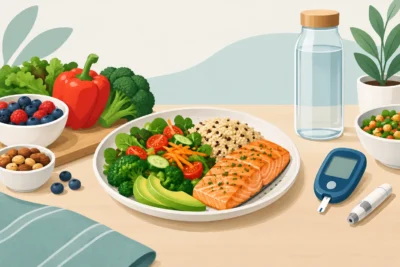
12 Diabetes Friendly Breakfast Ideas


Mornings can set the tone for your blood sugar all day. If breakfast usually means toast, cereal, juice, or something grabbed in a rush, that first meal may be working against you. The good news is that diabetes friendly breakfast ideas do not have to be bland, complicated, or expensive. With the right balance of protein, fiber, and healthy fats, breakfast can help you feel full longer and avoid the spikes and crashes that make Type 2 diabetes harder to manage.
What you\'ll find in this article?
- What makes a breakfast diabetes friendly?
-
12 diabetes friendly breakfast ideas that actually work
- 1. Eggs with sauteed vegetables
- 2. Greek yogurt bowl with berries and chia seeds
- 3. Oatmeal with nuts and cinnamon
- 4. Cottage cheese with cucumber and tomatoes
- 5. Avocado toast on sprouted or whole grain bread
- 6. Veggie omelet with a side of berries
- 7. Chia pudding made with unsweetened milk
- 8. Breakfast scramble with turkey sausage and vegetables
- 9. Protein smoothie with greens
- 10. Almond flour pancakes
- 11. Leftovers from dinner
- 12. Egg muffins for meal prep
- How to build better diabetes friendly breakfast ideas at home
- Common breakfast mistakes that raise blood sugar fast
- A smarter breakfast can change the rest of your day
What makes a breakfast diabetes friendly?
A blood sugar-supportive breakfast usually does three things well. It keeps added sugar low, includes enough protein to slow digestion, and brings in fiber from whole foods like vegetables, berries, seeds, or beans. That combination helps reduce the sharp glucose rise that often happens after a high-carb breakfast.
This is where many common breakfast foods fall short. Sweet yogurt, flavored oatmeal packets, muffins, pancakes, breakfast bars, and most cereals can look convenient, but they often digest quickly and leave you hungry again within hours. Even foods that seem healthy can be a problem if they are too heavy on refined carbs and too light on protein.
That does not mean you need a perfect breakfast every morning. It means building a better default. For some people, that might be eggs and vegetables. For others, it may be Greek yogurt with chia seeds and berries. The best choice is the one that supports your blood sugar and fits your real life.
12 diabetes friendly breakfast ideas that actually work
1. Eggs with sauteed vegetables
Eggs remain one of the simplest blood sugar-friendly breakfast foods because they are rich in protein and naturally low in carbs. Add spinach, mushrooms, onions, bell peppers, or zucchini, and you turn a basic breakfast into a meal with more fiber and staying power.

If you want extra flavor, use avocado slices or a spoonful of salsa instead of sugary condiments. If cholesterol is a concern for you, talk with your doctor about the right balance, but for many people, eggs can fit well into a diabetes-conscious diet.
2. Greek yogurt bowl with berries and chia seeds
Plain Greek yogurt gives you protein without the added sugar found in many flavored cups. Berries add sweetness with less sugar than bananas or tropical fruit, and chia seeds help by adding fiber and healthy fats.
This option works well when you want something fast and cold. Just be careful with granola, honey, and dried fruit, since those can turn a smart breakfast into a much higher-sugar meal.
3. Oatmeal with nuts and cinnamon
Oatmeal can work for diabetes, but the details matter. Choose plain rolled or steel-cut oats instead of instant flavored packets. Then add walnuts, almonds, or pumpkin seeds to slow digestion and improve fullness.
Cinnamon adds flavor without sugar, and some people find it helps them stay away from sweeter toppings. If you tolerate oats well, this can be a comforting choice. If your blood sugar rises too much after oatmeal, try a smaller portion and pair it with eggs or Greek yogurt.

4. Cottage cheese with cucumber and tomatoes
This is an underrated breakfast, especially for people who are tired of sweet morning foods. Cottage cheese is high in protein, and adding fresh vegetables keeps the meal light but satisfying.
You can season it with black pepper, everything seasoning, or a drizzle of olive oil. It is a practical option for busy mornings because it takes almost no prep.
5. Avocado toast on sprouted or whole grain bread
Avocado toast can be a smart breakfast if you make it carefully. The avocado provides healthy fats and fiber, but the bread choice matters. A thick slice of white bread is very different from a dense sprouted grain or high-fiber whole grain option.
To make it more balanced, add an egg on top or pair it with turkey slices. That extra protein can make a real difference in how steady your energy feels through the morning.
6. Veggie omelet with a side of berries
This is one of the best diabetes friendly breakfast ideas when you want a meal that feels filling without being heavy. The omelet gives you protein, the vegetables add bulk and fiber, and a small side of berries can satisfy the desire for something fresh and slightly sweet.
It is also easy to adjust based on what you already have in the fridge. Leftover broccoli, asparagus, or even chopped salad greens can work.
7. Chia pudding made with unsweetened milk
Chia pudding is a useful make-ahead breakfast for people trying to avoid high-carb morning meals. Chia seeds absorb liquid and create a pudding texture while delivering fiber, healthy fats, and some protein.
Use unsweetened almond milk or another unsweetened milk of your choice, then top with a few berries or chopped nuts. Skip the sweetened versions sold in stores when possible, since they often contain more sugar than expected.
8. Breakfast scramble with turkey sausage and vegetables
A breakfast scramble can be one of the easiest ways to build a balanced meal. Combine eggs, turkey sausage, and vegetables in one pan, and you get protein, flavor, and better blood sugar support than most drive-thru breakfasts.
Turkey sausage is often leaner than pork sausage, but labels still matter. Look for options with less added sugar and fewer fillers.
9. Protein smoothie with greens
Smoothies can either help or hurt blood sugar. A smoothie built on fruit juice, bananas, and sweetened yogurt is basically a sugar rush. A better version includes unsweetened milk, protein powder or Greek yogurt, spinach, chia or flax seeds, and a small portion of berries.
This works especially well for people who do not like a heavy breakfast or need something portable. Just remember that drinking calories can be less filling than chewing them, so some people do better with a smoothie plus a boiled egg or nuts.
10. Almond flour pancakes
If you miss traditional breakfast foods, almond flour pancakes are a smarter swap than regular pancakes made with white flour. Almond flour is lower in carbs and brings healthy fats that can help reduce the blood sugar impact.
The main trap here is syrup. Even if the pancakes are lower carb, loading them with syrup can undo the benefit. Try a little nut butter, plain Greek yogurt, or warmed berries instead.
11. Leftovers from dinner
This may not sound exciting, but it is one of the most practical breakfast strategies around. Leftover chicken, roasted vegetables, turkey chili, or salmon can make a much better breakfast than cereal or toast.
There is no rule that breakfast has to be sweet or built around traditional breakfast foods. If your blood sugar responds well to savory meals, this approach can simplify your day.
12. Egg muffins for meal prep
Egg muffins are portable, easy to make in batches, and perfect for busy weekdays. You simply bake eggs with chopped vegetables, herbs, and a protein like turkey, chicken sausage, or a little cheese in muffin cups.
They reheat quickly and make it easier to avoid vending machine breakfasts or coffee shop pastries. For many people, convenience is half the battle.
How to build better diabetes friendly breakfast ideas at home
If you want more freedom than following fixed recipes, use a simple formula. Start with protein, then add fiber, then include healthy fat if needed. That might look like eggs plus vegetables plus avocado, or Greek yogurt plus berries plus walnuts.
The biggest improvement often comes from replacing refined carbs, not from chasing perfection. Instead of orange juice, try water, coffee, or tea without sugar. Instead of sugary cereal, try eggs or unsweetened yogurt. Small swaps done consistently can lead to steadier mornings and fewer cravings later.
Portion size still matters, even with healthy foods. Nuts, oats, fruit, and whole grain bread can all fit into a balanced breakfast, but more is not always better. If you monitor your blood sugar at home, breakfast is a great meal to test. You may find that foods one person handles well cause a bigger spike for someone else.
Common breakfast mistakes that raise blood sugar fast
One of the most common mistakes is assuming that all low-fat foods are healthier. Many low-fat yogurts, oatmeals, and breakfast bars replace fat with sugar, which can make blood sugar control harder.
Another issue is eating too little protein. A piece of toast or a banana by itself may feel light, but it often will not keep you full. That can lead to mid-morning hunger, snacking, and a roller coaster pattern that is hard to break.
Liquid sugar is another major problem. Juice, sweet coffee drinks, and bottled smoothies can raise glucose quickly because they are easy to consume fast and often low in fiber. Even natural sugars can still hit hard when they are concentrated.
A smarter breakfast can change the rest of your day
Breakfast is not magic, but it does create momentum. A steadier first meal often leads to better energy, fewer cravings, and stronger food decisions by lunch. For people trying to improve Type 2 diabetes or prediabetes naturally, that matters.
At Diabetes Cure Now, the goal is not to push restriction for the sake of restriction. It is to help you build habits that move your body in a healthier direction. Start with one or two breakfast upgrades this week, pay attention to how you feel, and let your morning routine become one of the easiest wins in your blood sugar plan.
The best breakfast is the one you can repeat without feeling miserable, because consistency does more for your health than any perfect meal ever will.
Important notice: The content of Diabetes Cure Now is solely educational and informational and does not replace the evaluation, diagnosis, or treatment of a doctor or health professional. Before making changes to your diet, exercise, or medication, consult with a qualified professional..
Content reviewed for educational purposes and based on public medical sources.
Sources consulted
- American Diabetes Association (ADA)
- Mayo Clinic
- CDC
- NIH
12 Diabetic Recipes That Keep Meals Balanced
Diabetic Kidney Health Guide for Daily Protection

How to Start Walking With Diabetes Safely
10 Healthy Soups for Diabetics That Satisfy
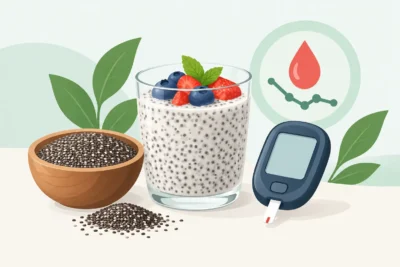
Do Chia Seeds for Blood Sugar Really Help?

How to Reduce Dawn Phenomenon Naturally
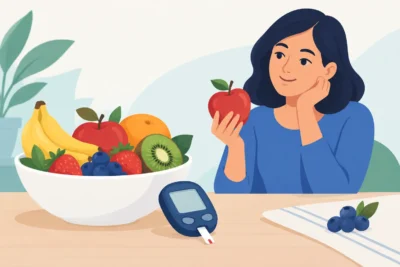
Is Fruit Safe for Diabetes? What to Know

How to Walk After Meals for Better Blood Sugar