
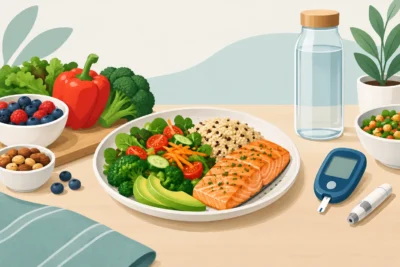
How to Manage Prediabetes Naturally


A prediabetes diagnosis can feel like a warning shot - not a crisis yet, but not something to brush off either. The good news is that learning how to manage prediabetes naturally can make a real difference, and for many people, the most effective changes start with everyday habits rather than complicated plans.
Prediabetes means your blood sugar is higher than normal, but not high enough to be classified as Type 2 diabetes. That middle ground matters. It is the stage where your body is already showing signs of insulin resistance, but it is also often the stage where lifestyle changes can have the biggest payoff.
What you\'ll find in this article?
- Why prediabetes responds so well to natural changes
- How to manage prediabetes naturally with food
- Movement is one of the fastest ways to lower blood sugar
- Weight loss can improve insulin resistance
- Sleep and stress are not side issues
- Can supplements help?
- Track what your body is telling you
- The most effective natural plan is the one you can live with
Why prediabetes responds so well to natural changes
Prediabetes usually develops over time. Weight gain around the midsection, low activity levels, poor sleep, chronic stress, and a diet built around refined carbs and ultra-processed foods can all push blood sugar in the wrong direction. Because those drivers are often lifestyle-related, they can often be improved through lifestyle action too.
That does not mean natural management is casual or passive. It takes consistency. But it does mean you are not powerless. Better food choices, regular movement, improved sleep, and weight loss can help your body respond to insulin more effectively and bring blood sugar down.
For some people, that improvement happens quickly. For others, progress is slower, especially if genetics, hormonal changes, or long-standing insulin resistance are involved. The key is to stop waiting for perfect and start building momentum.

How to manage prediabetes naturally with food
Food is usually the first place to focus because it has the most immediate effect on blood sugar. The goal is not to eat as little as possible. The goal is to eat in a way that keeps blood sugar steadier and reduces the repeated spikes that wear down metabolic health.
Start by lowering your intake of sugar and refined carbohydrates. Soda, sweet tea, pastries, white bread, chips, and many packaged snack foods digest quickly and can raise blood sugar fast. That does not mean every carb is bad. It means the type of carb matters.
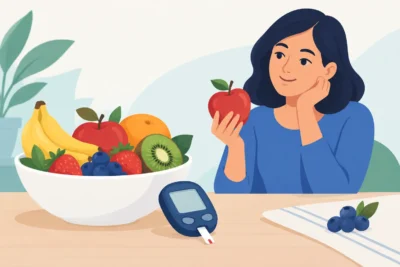
Carbohydrates paired with fiber, protein, and healthy fats tend to work better. Beans, lentils, non-starchy vegetables, berries, plain Greek yogurt, eggs, fish, chicken, nuts, seeds, and whole-food fats like avocado and olive oil are all helpful staples for many people with prediabetes.
Portion size matters too. Even healthy carbs can push blood sugar too high if the serving is large enough. If you are eating oatmeal, brown rice, fruit, or sweet potatoes, it helps to watch how your body responds. Some people tolerate these foods well in moderate amounts, while others do better keeping portions smaller.
One simple strategy is to build meals around protein and vegetables first, then add a smart carb if needed. A plate with salmon, roasted broccoli, and a small serving of quinoa will usually affect blood sugar differently than a large bowl of pasta, even if both meals contain carbohydrates.

A practical eating pattern that works
You do not need a trendy label to eat well for prediabetes. In most cases, a balanced, lower-sugar, minimally processed eating pattern works best. That means meals built from real food most of the time.
Breakfast could be eggs with spinach and berries. Lunch might be grilled chicken over a salad with olive oil dressing. Dinner could be turkey, green beans, and a small serving of roasted sweet potato. Snacks, if you need them, can be things like nuts, cottage cheese, cucumber slices, or apple with peanut butter.
If you currently eat a lot of takeout or packaged foods, changing everything at once may backfire. It is often better to swap one meal at a time. Start with breakfast, or cut sugary drinks first, then build from there.
Movement is one of the fastest ways to lower blood sugar
Exercise helps your muscles use glucose more efficiently, which can lower blood sugar and improve insulin sensitivity. You do not have to become a gym person to benefit. Walking after meals, using resistance bands at home, doing bodyweight exercises, or riding a bike all count.
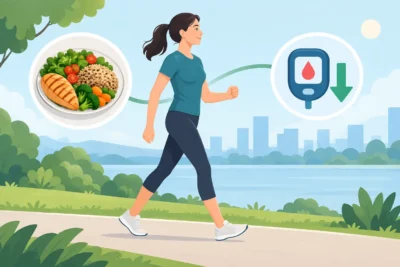
For many adults with prediabetes, one of the most effective starting points is a brisk 10- to 20-minute walk after meals. That small habit can reduce post-meal blood sugar spikes and feels much more doable than a dramatic fitness overhaul.
Strength training matters too. Muscle tissue helps with glucose control, so building or maintaining muscle can improve how your body handles carbs. Two or three strength sessions per week can make a real impact, especially when paired with regular walking.
If you have joint pain, obesity, neuropathy, or have been inactive for a long time, choose low-impact movement first. Chair exercises, water workouts, or shorter walks still help. The best exercise plan is the one you can keep doing next month.
Weight loss can improve insulin resistance
Not everyone with prediabetes is overweight, but for many people, carrying extra body fat - especially around the abdomen - is a major driver of insulin resistance. Even modest weight loss can improve blood sugar control.
That is worth emphasizing because many people think they need extreme results to see benefits. They do not. Losing 5 to 10 percent of body weight can improve insulin sensitivity, lower fasting glucose, and reduce the risk of progressing to Type 2 diabetes.
This is another reason crash diets are usually the wrong move. Fast weight loss often leads to rebound weight gain. A slower, steadier plan built around better eating, more movement, and fewer blood sugar swings is usually more sustainable.
Sleep and stress are not side issues
If your sleep is poor and your stress is constant, blood sugar often gets harder to manage. Sleep deprivation can increase insulin resistance, raise hunger hormones, and make cravings worse. Chronic stress can raise cortisol, which may push blood sugar higher.
That is why natural prediabetes support is not just about what is on your plate. It is also about what your body is dealing with all day.
Aim for a consistent sleep schedule and enough total sleep to feel rested, which for most adults is around seven to nine hours. If snoring, sleep apnea, or frequent waking is an issue, that deserves attention. Many people with blood sugar problems also have untreated sleep disorders.
For stress, simple habits work better than grand plans. A daily walk, deep breathing, prayer, stretching, journaling, or ten quiet minutes away from your phone can all help bring stress down. No single tool fixes everything, but reducing stress load makes healthy choices easier.
Can supplements help?
Some people look into supplements such as magnesium, berberine, chromium, cinnamon, or alpha-lipoic acid for blood sugar support. There is interest in these options, and some may help in certain cases, but they are not a substitute for food, movement, sleep, and weight management.
It also depends on the person. A supplement that helps one person may do very little for someone else, and quality varies widely. If you take medication or have other health conditions, adding supplements without guidance can create problems. Natural does not automatically mean risk-free.
If you want to explore this area, treat supplements as support tools, not the foundation of your plan. At Diabetes Cure Now, the strongest natural-first message is still the most reliable one: your daily habits matter more than any pill or powder.
Track what your body is telling you
Prediabetes is easier to manage when you stop guessing. Lab work such as A1C, fasting glucose, and sometimes fasting insulin can show whether your efforts are working. Some people also benefit from checking blood sugar at home to learn how meals, stress, sleep, and exercise affect them.
This can be eye-opening. You may find that one food you assumed was healthy spikes your blood sugar more than expected, while another is easier for your body to handle. That kind of feedback helps you personalize your plan.
When natural management needs medical backup
Natural strategies are powerful, but they are not an excuse to avoid medical care. If your numbers keep rising, if you have symptoms like unusual thirst or frequent urination, or if your doctor recommends medication, that deserves a serious conversation.
For some people, medication is a temporary bridge while lifestyle changes start working. For others, it is part of a longer-term plan. Using medical support when needed is not failure. The goal is to protect your health and prevent progression.
The most effective natural plan is the one you can live with
If you are wondering how to manage prediabetes naturally, start with the basics and do them consistently. Eat fewer refined carbs and sugary foods. Build meals around protein, fiber, and whole foods. Walk after meals. Add strength training. Improve sleep. Lower stress. Aim for steady weight loss if you need it.
You do not need a perfect week to start improving your blood sugar. You need a few solid habits repeated often enough to change the direction of your health. Prediabetes is a warning, but it is also an opportunity. The sooner you act, the more control you are likely to gain.
Important notice: The content of Diabetes Cure Now is solely educational and informational and does not replace the evaluation, diagnosis, or treatment of a doctor or health professional. Before making changes to your diet, exercise, or medication, consult with a qualified professional..
Content reviewed for educational purposes and based on public medical sources.
Sources consulted
- American Diabetes Association (ADA)
- Mayo Clinic
- CDC
- NIH
12 Diabetic Recipes That Keep Meals Balanced
Diabetic Kidney Health Guide for Daily Protection
How to Start Walking With Diabetes Safely

10 Healthy Soups for Diabetics That Satisfy
Do Chia Seeds for Blood Sugar Really Help?

How to Reduce Dawn Phenomenon Naturally
Is Fruit Safe for Diabetes? What to Know
How to Walk After Meals for Better Blood Sugar