
How to Prevent Diabetes Naturally


Prediabetes often shows up quietly. No dramatic symptoms, no obvious warning siren - just blood sugar drifting higher while daily habits stay the same. That is exactly why learning how to prevent diabetes matters early. The good news is that prevention is not mysterious. In many cases, it comes down to consistent changes in food, movement, sleep, stress, and weight management.
For most adults, the conversation is really about preventing Type 2 diabetes. This form develops over time as the body becomes less responsive to insulin, the hormone that helps move sugar from the bloodstream into the cells. Genetics can raise your risk, but lifestyle has a powerful influence. Even if diabetes runs in your family, you are not helpless.
What you\'ll find in this article?
- How to prevent diabetes starts with insulin resistance
- Focus on the foods you eat most often
- Weight loss can lower diabetes risk fast
- Exercise is one of the most effective tools
- Sleep and stress affect blood sugar more than people think
- How to prevent diabetes if it runs in your family
- Small daily habits that lower your risk
- Prevention is not all or nothing
How to prevent diabetes starts with insulin resistance
If you want a practical answer to how to prevent diabetes, start with what drives it. In many people, the process begins with insulin resistance. That means your cells stop responding well to insulin, so your pancreas has to produce more of it to keep blood sugar under control. Over time, that system gets strained. Blood sugar rises, and prediabetes or Type 2 diabetes can follow.
This matters because prevention is not just about avoiding sugar in the most obvious sense. It is about improving the way your body handles glucose all day long. Foods that spike blood sugar, excess body fat around the midsection, long periods of inactivity, poor sleep, and chronic stress can all push insulin resistance in the wrong direction.
The encouraging part is that insulin resistance often improves with lifestyle changes. You do not need perfection. You need repeatable habits.

Focus on the foods you eat most often
One unhealthy meal does not cause diabetes, just like one healthy meal does not prevent it. Patterns matter more than isolated choices. If your usual diet is loaded with sugary drinks, refined carbs, oversized portions, and heavily processed snacks, your blood sugar will likely reflect that.
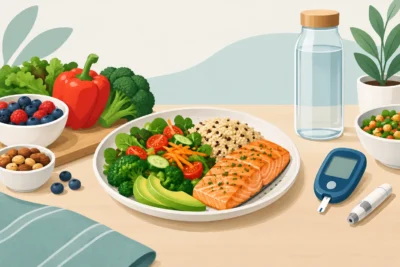
A prevention-friendly way of eating is built around foods that digest more slowly and support steadier glucose levels. Non-starchy vegetables, beans, lentils, nuts, seeds, eggs, fish, plain yogurt, berries, and high-fiber whole foods tend to be more helpful than pastries, soda, white bread, candy, and fast-food meals.
Carbohydrates are not the enemy, but the type and amount matter. A bowl of steel-cut oats with nuts and cinnamon affects the body differently than a large sweet coffee and a glazed donut. Brown rice, sweet potatoes, fruit, and beans can fit well for many people, but portions still count, especially if you already have elevated blood sugar.
Protein and fiber make a major difference because they help you feel full and can reduce sharp glucose spikes after meals. That is one reason a breakfast with eggs and avocado often works better than sugary cereal. It is also why pairing fruit with nuts or Greek yogurt can be smarter than eating highly processed snack bars that only look healthy.
If you feel overwhelmed, simplify. Build most meals around protein, fiber, and healthy fat. Then add carbs intentionally instead of by default.

Weight loss can lower diabetes risk fast
For people who are overweight, even modest weight loss can have a strong effect on blood sugar control. You do not have to reach an unrealistic goal to make progress. Losing 5 to 10 percent of your body weight can improve insulin sensitivity and reduce your risk of developing Type 2 diabetes.
This is especially true for people carrying extra weight around the abdomen. Belly fat is closely tied to metabolic dysfunction. Reducing it often helps the body respond better to insulin.
That said, weight loss should not be approached as crash dieting. Extreme plans can backfire, especially if they leave you hungry, tired, and unable to stick with them. The better strategy is one you can maintain: fewer liquid calories, more whole foods, smaller portions, more protein, regular walking, and better sleep. Those basics may sound simple, but they work when done consistently.
Exercise is one of the most effective tools
Movement helps your muscles use glucose more efficiently, which can lower blood sugar and improve insulin sensitivity. This is one of the most immediate ways to support prevention. You do not need to become a marathon runner to benefit.
Brisk walking is one of the most practical options for most adults. A daily walk after meals can be especially helpful because it supports glucose control when your body needs it most. Strength training also deserves attention. Muscle tissue helps with blood sugar management, and maintaining muscle becomes even more important with age.
A good goal is a mix of aerobic activity and resistance exercise each week. If that sounds like too much, start smaller. Ten minutes after lunch and dinner is better than waiting for the perfect workout routine. The best plan is the one you will actually do.
Sleep and stress affect blood sugar more than people think
Many people focus on food and ignore the rest of the picture. That is a mistake. Poor sleep and ongoing stress can push blood sugar higher and make healthy choices harder to sustain.
When you are sleep-deprived, hunger hormones shift in the wrong direction. Cravings increase, energy drops, and insulin sensitivity can worsen. Stress can do something similar. High stress levels may raise cortisol, which can interfere with blood sugar regulation and make overeating more likely.
You do not need a perfect stress-free life to protect your health. But it helps to build a few stabilizing habits into your day. A regular sleep schedule, less late-night screen time, short walks, prayer or meditation, deep breathing, and reducing evening caffeine can all support better metabolic health.
If you snore heavily or wake up exhausted, sleep apnea is worth discussing with a healthcare professional. It commonly overlaps with prediabetes, weight gain, and insulin resistance.
How to prevent diabetes if it runs in your family
A family history of diabetes raises your risk, but it does not guarantee your future. It means you should take prevention seriously and start sooner. That usually includes regular blood sugar testing, paying closer attention to body weight, and staying consistent with your daily habits.
If diabetes runs in your family, think of prevention as proactive maintenance rather than emergency repair. Waiting until symptoms appear is risky because prediabetes can progress silently for years. Ask your doctor about fasting glucose, A1C, or other screening if you have risk factors such as obesity, high blood pressure, high triglycerides, or a sedentary lifestyle.
This is one area where urgency makes sense. Early action is easier than trying to reverse years of worsening insulin resistance later.
Small daily habits that lower your risk
Big promises get attention, but prevention usually happens through ordinary decisions repeated over time. Drinking water instead of soda, walking after dinner, cooking more meals at home, and keeping high-sugar snacks out of the house can shift your blood sugar trajectory more than occasional bursts of motivation.
Meal timing may also help some people. Late-night overeating, grazing all day, and constantly snacking can make blood sugar harder to manage. Not everyone responds the same way, but having more structure around meals often improves appetite control and food quality.
It also helps to notice what triggers poor choices. For one person it is stress eating. For another it is restaurant portions or sugary coffee drinks. The more honest you are about your patterns, the easier it becomes to change them.
At Diabetes Cure Now, the natural-first approach makes sense because prevention is deeply tied to everyday behavior. Supplements may have a place for some people, but they work best as support, not as a shortcut around diet, movement, and weight control.
Prevention is not all or nothing
Some people hear advice about preventing diabetes and assume they need to overhaul their entire life by Monday. That mindset usually leads to burnout. The reality is more forgiving. Better blood sugar control can come from a series of steady improvements, not a perfect transformation.
It also depends on where you are starting. Someone with mild prediabetes may respond quickly to moderate changes. Someone with severe insulin resistance, obesity, and years of poor habits may need a more structured plan and medical guidance. Neither situation is hopeless, but the path can look different.
What matters most is getting traction now. Choose a breakfast that does not spike your blood sugar. Take a walk today. Cut one major source of added sugar this week. Build from there. Your body responds to direction, and even small steps taken consistently can change where your health is heading.
The best time to act is before diabetes becomes your new normal.
Important notice: The content of Diabetes Cure Now is solely educational and informational and does not replace the evaluation, diagnosis, or treatment of a doctor or health professional. Before making changes to your diet, exercise, or medication, consult with a qualified professional..
Content reviewed for educational purposes and based on public medical sources.
Sources consulted
- American Diabetes Association (ADA)
- Mayo Clinic
- CDC
- NIH
12 Diabetic Recipes That Keep Meals Balanced
Diabetic Kidney Health Guide for Daily Protection

How to Start Walking With Diabetes Safely

10 Healthy Soups for Diabetics That Satisfy
Do Chia Seeds for Blood Sugar Really Help?

How to Reduce Dawn Phenomenon Naturally
Is Fruit Safe for Diabetes? What to Know

How to Walk After Meals for Better Blood Sugar