
How to Reduce Insulin Resistance Naturally


If your blood sugar keeps creeping up even when you think you are doing "pretty well," insulin resistance may be the missing piece. Learning how to reduce insulin resistance can help you lower fasting glucose, improve energy, lose stubborn weight, and reduce the pressure on your body before prediabetes or Type 2 diabetes gets worse.
Insulin resistance happens when your cells stop responding well to insulin. Your pancreas tries to keep up by making more of it, but over time that extra effort may not be enough. The result is often higher blood sugar, bigger appetite swings, more belly fat, fatigue after meals, and lab numbers that move in the wrong direction.
The good news is that insulin resistance often improves with steady lifestyle changes. You do not need a perfect diet or a punishing workout plan. You need a plan that makes your body more responsive to insulin day after day.
What you\'ll find in this article?
- How to reduce insulin resistance starts with daily habits
- Eat in a way that lowers insulin demand
- Move more, especially after meals
- Weight loss can make a major difference
- Sleep and stress affect insulin more than people realize
- Foods and nutrients that may support better insulin sensitivity
- How to reduce insulin resistance when progress feels slow
How to reduce insulin resistance starts with daily habits
Most people want a single fix. There usually is not one. Insulin resistance improves when several basic habits start working together - especially food choices, movement, sleep, stress control, and weight management.
That matters because insulin resistance is strongly tied to how your body handles excess energy, especially when much of it comes from refined carbs, sugary drinks, oversized portions, and low activity. Genetics play a role, age plays a role, and hormones can complicate things too. But for many adults, daily habits still move the needle in a big way.

If you are wondering where to begin, start with the changes that give you the best return: eat fewer blood sugar-spiking foods, build meals around protein and fiber, move after eating, and work toward losing even a modest amount of weight if you are overweight. Those steps are simple, but they are not small.
Eat in a way that lowers insulin demand
One of the fastest ways to improve insulin resistance is to stop forcing your body to release large amounts of insulin over and over. That usually means cutting back on foods that digest quickly and send blood sugar soaring.
Sugary drinks are a major problem. Soda, sweet tea, energy drinks, flavored coffee drinks, and even fruit juice can raise blood sugar fast without doing much to satisfy hunger. Replacing them with water, sparkling water, or unsweetened drinks can make a bigger difference than many people expect.
Refined carbohydrates are another issue. White bread, pastries, chips, crackers, sugary cereal, and many packaged snack foods are easy to overeat and easy for your body to turn into glucose. You do not have to fear all carbs, but you do want to choose carbs that come with fiber and digest more slowly.
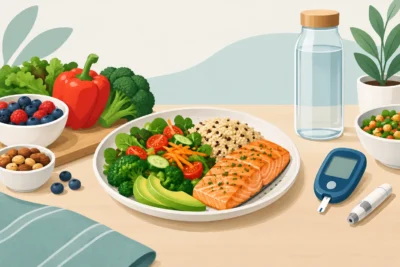
That is why meals built around nonstarchy vegetables, beans, lentils, eggs, fish, Greek yogurt, chicken, tofu, nuts, seeds, and whole-food carbs tend to work better. A plate with protein, fiber, and healthy fat usually leads to steadier blood sugar than a plate built around bread, pasta, or dessert.

For some people, reducing total carbohydrate intake helps a lot. For others, the bigger win comes from improving carb quality and portion size. It depends on your starting point, activity level, medications, and how your body responds. If you monitor your glucose, your numbers can tell you quickly which meals are helping and which ones are not.
Focus on meal structure, not just restriction
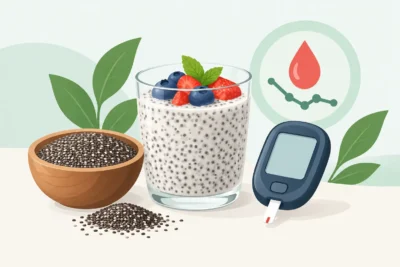
A practical meal does not need to be fancy. Think grilled chicken with roasted vegetables and a small serving of beans, or plain Greek yogurt with berries, chia seeds, and a handful of nuts. If you eat carbs, pairing them with protein and fiber can soften the blood sugar rise.
It also helps to avoid grazing all day. Constant snacking can keep insulin elevated. Some people do better with three balanced meals and fewer random snacks, though this depends on your hunger, routine, and whether you take glucose-lowering medication.
Move more, especially after meals
Exercise makes your muscles use glucose more effectively, which is one reason it is so powerful for insulin resistance. You do not need to become an athlete to benefit. Consistency matters more than intensity.
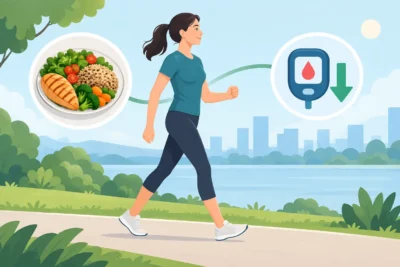
A brisk 10 to 20 minute walk after meals can be surprisingly effective. When muscles contract, they pull in glucose for energy, which can help lower post-meal blood sugar. This is one of the most practical habits for people who feel stuck.
Strength training matters too. Muscle tissue is one of your best tools for improving insulin sensitivity. The more muscle you maintain, the better your body tends to handle glucose. That does not mean bodybuilding. It can mean bodyweight exercises, resistance bands, light dumbbells, or simple gym machines done two to three times per week.
Cardio still helps. Walking, biking, swimming, and low-impact classes all support insulin sensitivity and heart health. The best exercise is the one you will keep doing next month, not the one that looks impressive for five days.
Weight loss can make a major difference
If you carry extra weight, especially around the midsection, losing even 5% to 10% of your body weight can significantly improve insulin resistance. That does not mean your health depends on becoming thin. It means modest progress can create meaningful metabolic benefits.
Belly fat is especially active in a harmful way. It is linked to inflammation and poorer insulin signaling. As that excess fat comes down, many people see improvements in fasting glucose, A1C, triglycerides, and energy.
This is where patience matters. Crash diets may produce quick changes on the scale, but they are hard to maintain and often lead to rebound weight gain. A slower approach built around better meals, fewer liquid calories, more steps, and regular strength training tends to last longer.
Sleep and stress affect insulin more than people realize
You can eat well and still struggle if you are sleeping five hours a night and running on stress all day. Poor sleep disrupts hormones tied to hunger, cravings, and blood sugar regulation. It can make you more insulin resistant in a short amount of time.
Aim for a consistent sleep schedule and enough total sleep to feel restored. For most adults, that means around seven to nine hours. If you snore loudly, wake up tired, or feel exhausted during the day, sleep apnea could be part of the picture. That is common in people with insulin resistance and Type 2 diabetes.
Stress is another hidden driver. When stress hormones stay elevated, blood sugar often does too. You do not need a perfect stress-free life. You do need ways to bring your nervous system down regularly. Walking, prayer, breathing exercises, stretching, journaling, time outdoors, and reducing overstimulation can all help.
Foods and nutrients that may support better insulin sensitivity
Whole foods do most of the heavy lifting, but some specific choices may offer extra support. High-fiber foods are near the top of the list because they slow digestion and help reduce sharp blood sugar rises. Beans, vegetables, berries, flaxseed, chia seeds, and oats can all fit here, though portion tolerance varies.
Magnesium-rich foods may also help, especially if your diet is low in leafy greens, nuts, seeds, and legumes. Fatty fish can support metabolic health through protein and healthy fats. Cinnamon is popular, and some people find it useful, but it is not a cure by itself.
Supplements can be tempting when you want fast results. Some may help certain people, but they work best as support, not as a substitute for daily habits. If you take medication for blood sugar, always be careful with supplements that may lower glucose further.
How to reduce insulin resistance when progress feels slow
This is where many people give up too soon. Insulin resistance usually builds over years, so it may take time to reverse the trend. Some people see fasting glucose improve within weeks. Others notice better numbers first after meals, then on the scale, then on lab work. Progress is not always linear.
Track what you can. Waist size, morning blood sugar, post-meal readings, energy, cravings, and A1C all tell part of the story. If one habit is not enough, stack another. If your current plan feels too strict to maintain, it is probably not the right plan.
There are also cases where insulin resistance is harder to improve because of medication effects, menopause, polycystic ovary syndrome, severe sleep problems, or long-standing diabetes. That does not mean change is impossible. It means your strategy may need more patience and a more personalized approach.
If you want a practical place to start, clean up breakfast, walk after dinner, replace sugary drinks, and build each meal around protein and fiber. Those four moves can change a lot.
At Diabetes Cure Now, the message is simple: your body can respond when you give it the right signals often enough. Start with the next meal, the next walk, and the next good night of sleep. Small actions, repeated daily, are how insulin resistance begins to loosen its grip.
Important notice: The content of Diabetes Cure Now is solely educational and informational and does not replace the evaluation, diagnosis, or treatment of a doctor or health professional. Before making changes to your diet, exercise, or medication, consult with a qualified professional..
Content reviewed for educational purposes and based on public medical sources.
Sources consulted
- American Diabetes Association (ADA)
- Mayo Clinic
- CDC
- NIH
12 Diabetic Recipes That Keep Meals Balanced
Diabetic Kidney Health Guide for Daily Protection
How to Start Walking With Diabetes Safely
10 Healthy Soups for Diabetics That Satisfy
Do Chia Seeds for Blood Sugar Really Help?

How to Reduce Dawn Phenomenon Naturally
Is Fruit Safe for Diabetes? What to Know
How to Walk After Meals for Better Blood Sugar