

How to Stop Diabetes Complications Early


The fear usually starts small. A little numbness in the feet. Blurry vision that comes and goes. Labs that keep inching the wrong way. If you are wondering how to stop diabetes complications, the good news is that many of the biggest risks can be slowed, reduced, and sometimes prevented with consistent daily action.
That does not mean perfection. It means getting serious about the few habits that have the biggest effect on blood sugar, circulation, nerve health, kidney function, and inflammation. Diabetes complications rarely appear overnight. In most cases, they build quietly over time, which also means your daily choices can shift the direction.
What you\'ll find in this article?
- Why diabetes complications happen in the first place
- How to stop diabetes complications with the right priorities
- Build meals that keep blood sugar steadier
- Movement protects more than your waistline
- Protect your feet, eyes, kidneys, and heart
- Sleep and stress are not side issues
- Watch for warning signs instead of waiting
- The fastest way to make progress is consistency
Why diabetes complications happen in the first place
High blood sugar damages blood vessels and nerves over time. That damage can affect the eyes, kidneys, feet, heart, brain, and more. When blood sugar stays elevated for months or years, it creates stress inside the body that makes tissues less able to repair themselves.
But blood sugar is only part of the picture. High blood pressure, excess body weight, poor sleep, smoking, physical inactivity, and highly processed diets all add fuel to the problem. This is why some people focus only on glucose and still struggle. To stop complications, you have to improve the whole metabolic environment.
How to stop diabetes complications with the right priorities
Many people try to fix everything at once and burn out. A better approach is to focus on the factors that have the strongest impact first.

Start with blood sugar control. The closer your levels stay to a healthy range, the less damage is happening behind the scenes. For many adults with Type 2 diabetes, that means paying attention not just to fasting glucose, but also to after-meal spikes. Those post-meal surges can be especially hard on blood vessels.
Next, address blood pressure. High blood pressure and diabetes together are a rough combination because both increase stress on the heart, kidneys, eyes, and arteries. If your blood sugar improves but your blood pressure stays high, your complication risk can still remain elevated.
Then look at weight, food quality, movement, and inflammation. Even a modest amount of weight loss can improve insulin sensitivity and reduce the strain on the body. You do not need to chase extreme results to see meaningful benefits.
Build meals that keep blood sugar steadier
Food is one of the fastest levers you can pull. The main goal is not to eat perfectly. It is to reduce the repeated blood sugar spikes that drive long-term damage.
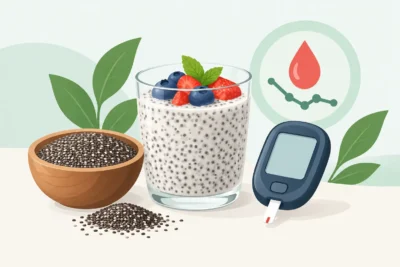
Meals built around protein, fiber, and healthy fats tend to be easier on blood sugar than meals centered on refined carbs. Think eggs with vegetables, salmon with roasted non-starchy vegetables, Greek yogurt with chia seeds, or chicken with a large salad and olive oil. Beans, lentils, nuts, seeds, and high-fiber vegetables can also support more stable glucose levels.

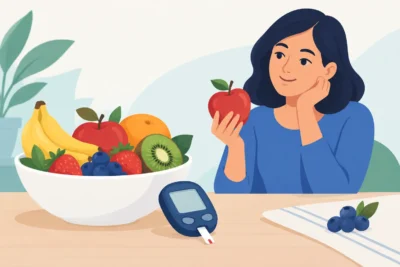
This is where trade-offs matter. Some people do well with a lower-carb approach. Others do better with a moderate-carb pattern that includes smart portions of fruit, beans, oats, or sweet potatoes. The best eating style is the one that improves your numbers and that you can actually maintain.
Liquid sugar is another major issue. Soda, sweet tea, juice, flavored coffee drinks, and many so-called healthy smoothies can raise blood sugar fast. Cutting these out often improves glucose control faster than people expect.
Movement protects more than your waistline
Exercise helps move sugar out of the bloodstream and into the muscles. It also improves circulation, lowers insulin resistance, supports heart health, and helps with weight control. Those benefits make it one of the most effective ways to reduce the risk of complications.
Walking after meals is especially useful. Even 10 to 15 minutes can help reduce the post-meal rise in blood sugar. Strength training matters too because muscle acts like a storage site for glucose. The more muscle you maintain, the better your body can handle carbs.
You do not need an intense fitness plan to get results. A realistic mix of daily walking, light resistance work, and less sitting can make a real difference. If you have numbness, foot pain, or advanced complications, choose activities that are safer for your condition and talk with your healthcare provider before starting something strenuous.
Protect your feet, eyes, kidneys, and heart
When people ask how to stop diabetes complications, they often think generally. It helps to think specifically too, because different parts of the body show damage in different ways.
Foot care deserves more attention than it gets. Nerve damage can reduce feeling in the feet, so a cut, blister, or sore can go unnoticed and become serious. Check your feet daily, especially the soles and between the toes. Wear shoes that fit well, avoid going barefoot, and act quickly if you notice redness, swelling, drainage, or a wound that is not healing.
Eye health is another priority. High blood sugar can damage the small vessels in the retina long before vision changes become obvious. Regular eye exams matter because early problems can often be treated before major vision loss occurs.
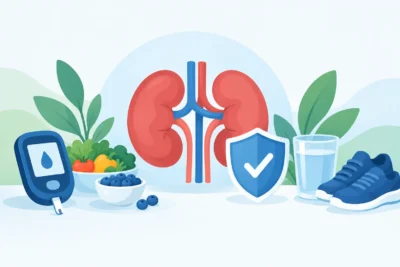
Kidney protection depends heavily on good glucose control and healthy blood pressure. The kidneys filter the blood all day long, so they are vulnerable to long-term metabolic stress. Staying hydrated, controlling sodium intake when needed, and keeping up with routine lab work can help catch issues early.
Heart disease is one of the biggest diabetes risks. This is why cholesterol, triglycerides, sleep, stress, and abdominal weight matter too. If your energy is low and your blood sugar is unstable, it is easy to think only about diabetes. But your heart and arteries need the same attention.
Sleep and stress are not side issues
Poor sleep raises insulin resistance and often increases hunger, cravings, and morning blood sugar. Chronic stress can do something similar by pushing stress hormones higher. Many people work hard on food choices while ignoring these two factors, then wonder why their numbers stay stubborn.
Aim for a sleep routine you can repeat most nights. A consistent bedtime, less evening screen time, and lighter late-night meals can help. If you snore heavily or wake up exhausted, sleep apnea may be part of the problem, especially if you carry extra weight.
Stress management does not have to mean hour-long meditation sessions. A daily walk, breathing exercises, prayer, journaling, stretching, or a few minutes of quiet can lower the pressure enough to help your body regulate better.
Watch for warning signs instead of waiting
Complications are easier to manage early than late. Pay attention to symptoms like tingling, burning, numbness, blurred vision, swelling, slow-healing cuts, chest discomfort, unusual fatigue, or frequent infections. These signs do not always mean severe damage, but they should not be ignored.
It is also smart to track your numbers. Home glucose readings can show patterns that a single office visit may miss. If your fasting numbers are decent but your after-meal readings jump sharply, that tells you where to focus. Blood pressure checks at home can be just as valuable.
For some people, lifestyle changes lead to dramatic improvement. For others, progress is slower because genetics, duration of diabetes, age, and existing damage all matter. That does not mean your efforts are failing. It means the body responds on a spectrum, and every improvement lowers risk.
The fastest way to make progress is consistency
You do not stop diabetes complications with one healthy meal or one good week. You reduce the risk by repeating simple actions until they become normal. Eat in a way that keeps blood sugar steadier. Move every day. Lose excess weight if you need to. Protect your feet. Get your eyes checked. Take sleep seriously. Stay on top of blood pressure.
If that feels like a lot, choose one change this week and lock it in. Then add the next one. That is how real health improvement happens. At Diabetes Cure Now, the focus is simple: give your body better conditions, and it has a better chance to heal, stabilize, and stay strong.
You do not need to wait for a health scare to take this seriously. The best time to protect your nerves, kidneys, eyes, and heart is while you still have the power to change the path.
Important notice: The content of Diabetes Cure Now is solely educational and informational and does not replace the evaluation, diagnosis, or treatment of a doctor or health professional. Before making changes to your diet, exercise, or medication, consult with a qualified professional..
Content reviewed for educational purposes and based on public medical sources.
Sources consulted
- American Diabetes Association (ADA)
- Mayo Clinic
- CDC
- NIH
12 Diabetic Recipes That Keep Meals Balanced
Diabetic Kidney Health Guide for Daily Protection

How to Start Walking With Diabetes Safely

10 Healthy Soups for Diabetics That Satisfy
Do Chia Seeds for Blood Sugar Really Help?

How to Reduce Dawn Phenomenon Naturally
Is Fruit Safe for Diabetes? What to Know

How to Walk After Meals for Better Blood Sugar