
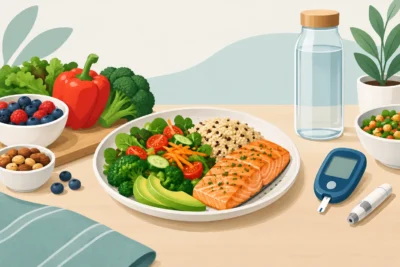
9 Natural Remedies for Blood Sugar


If your blood sugar feels unpredictable, the problem usually is not just one dessert or one bad day. It is often a mix of insulin resistance, stress, poor sleep, extra weight, inactivity, and a diet built around fast-digesting carbs. That is why natural remedies for blood sugar work best when they support the body from more than one angle.
The good news is that you have real leverage here. Many people with prediabetes or Type 2 diabetes can improve their numbers with steady lifestyle changes, especially when they focus on simple habits they can repeat every day. Natural support is not magic, and it is not a substitute for medical care when you need it, but it can be a powerful part of getting blood sugar back under better control.
What you\'ll find in this article?
- What natural remedies for blood sugar can actually do
- 1. Apple cider vinegar before meals
- 2. Cinnamon, with realistic expectations
- 3. Fiber-rich foods that slow the spike
- 4. Walking after meals
- 5. Better sleep, because high blood sugar loves fatigue
- 6. Stress reduction that lowers cortisol load
- 7. Magnesium-rich foods and targeted supplementation
- 8. Berberine and other natural blood sugar supplements
- 9. Weight loss, even if it is modest
- How to make natural blood sugar support actually work
- When natural remedies are not enough
What natural remedies for blood sugar can actually do
Natural approaches can help reduce blood sugar spikes, improve insulin sensitivity, lower inflammation, and make it easier to manage appetite and weight. Some work through food. Others help by improving sleep, reducing stress hormones, or increasing how much glucose your muscles use.
The trade-off is that natural remedies usually work best over time, not overnight. A supplement or food may help, but it will not cancel out a diet full of liquid sugar, constant snacking, or long stretches of sitting. Think of these remedies as tools that support your metabolism, not shortcuts that let you ignore the basics.
1. Apple cider vinegar before meals
Apple cider vinegar gets attention for a reason. In some people, taking a small amount before a carb-heavy meal may help reduce the rise in blood sugar afterward. It appears to slow stomach emptying and may improve how the body responds to carbohydrates.

This does not mean more is better. A common approach is 1 to 2 teaspoons diluted in a large glass of water before meals. Straight vinegar can irritate the throat and damage tooth enamel, so dilution matters. If you have reflux, stomach sensitivity, or kidney issues, this may not be a good fit.
2. Cinnamon, with realistic expectations
Cinnamon is one of the most searched natural options for blood sugar support. Some studies suggest it may modestly improve fasting blood sugar in certain people, especially when used consistently. It may also help with insulin sensitivity.
Still, cinnamon is not a miracle fix. Results are mixed, and the effect tends to be modest. It makes sense as a daily add-on in oatmeal, plain yogurt, smoothies, or coffee, but not as a replacement for smarter meals. If you use cassia cinnamon heavily, be aware that it contains coumarin, which can be hard on the liver in large amounts.
3. Fiber-rich foods that slow the spike
One of the most effective natural remedies is also one of the least flashy: eating more fiber. Soluble fiber slows digestion, blunts blood sugar swings, and helps you feel full longer. That can support both glucose control and weight loss, which often go hand in hand.
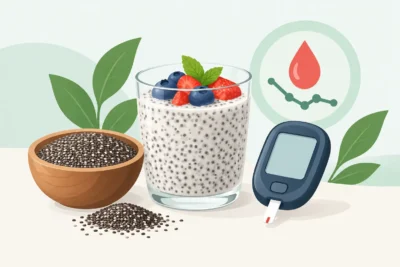
Beans, lentils, chia seeds, flaxseeds, oats, berries, apples, and non-starchy vegetables are all smart choices. The key is consistency. If your meals are mostly refined carbs and low in protein and fiber, your blood sugar will usually show it.

A simple shift works well here. Instead of eating toast or cereal alone, pair carbs with fiber, protein, and fat. For example, eggs with berries, Greek yogurt with chia, or a bean-based lunch can change your post-meal numbers more than you might expect.
4. Walking after meals
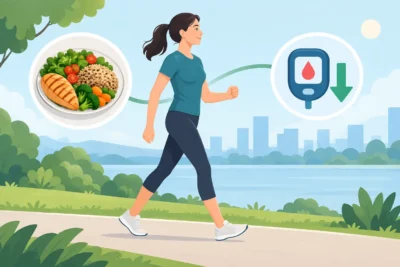
You do not need a punishing workout to help blood sugar. A 10 to 20 minute walk after eating can make a real difference because your muscles pull glucose from the bloodstream for energy. This is one of the fastest natural strategies for reducing post-meal spikes.
For many adults, this is more realistic than promising an hour at the gym. A short walk after lunch and dinner is often easier to stick with, and consistency beats intensity when you are trying to improve blood sugar over time.
5. Better sleep, because high blood sugar loves fatigue
Poor sleep raises the odds of higher glucose, stronger cravings, and worse insulin resistance. Even a few nights of bad sleep can make blood sugar harder to manage. That is why sleep is not just a wellness bonus. It is a blood sugar issue.
Aim for a regular sleep schedule, a cooler dark bedroom, and less screen time late at night. If you snore heavily, wake up exhausted, or suspect sleep apnea, that matters too. Many people with blood sugar problems also have untreated sleep apnea, and it can quietly make progress much harder.
6. Stress reduction that lowers cortisol load
When stress stays high, cortisol often stays high too. That can push blood sugar up, increase cravings, and make healthy choices harder to maintain. You do not need perfect calm, but you do need ways to interrupt the stress cycle.
Deep breathing, prayer, short outdoor walks, stretching, journaling, and strength training can all help. The best stress remedy is the one you will actually use when life gets busy. If your blood sugar is highest during chaotic weeks, stress may be playing a larger role than you think.
7. Magnesium-rich foods and targeted supplementation
Magnesium plays a role in insulin function, muscle health, sleep, and energy production. People with insulin resistance or Type 2 diabetes may be more likely to have low magnesium levels, especially if their diet is poor or they lose more magnesium through urine.
Food first is a smart move. Pumpkin seeds, almonds, spinach, black beans, and avocado can all help raise intake. Some people also benefit from magnesium supplements, particularly if they deal with constipation, poor sleep, or muscle cramps along with blood sugar issues.
It depends on the person, though. Too much magnesium from supplements can cause digestive upset, and some forms are better tolerated than others. If you have kidney disease, get medical advice before taking it.
8. Berberine and other natural blood sugar supplements
Among supplements, berberine stands out because it has more research behind it than many trendy products. It may help lower blood sugar and improve insulin sensitivity in some people. That said, it can also interact with medications and may cause stomach side effects.
Other supplements often discussed include alpha-lipoic acid, chromium, and fenugreek. Some people report benefits, but supplement quality varies, and evidence is not equally strong across the board. This is where caution matters. Natural does not always mean risk-free, especially if you already take diabetes medication, blood pressure medication, or blood thinners.
If you are curious about supplements, start one at a time and track your response. Randomly combining multiple products makes it harder to know what is helping and raises the chance of side effects.
9. Weight loss, even if it is modest
This may not sound like a remedy, but it is one of the most powerful natural ways to improve blood sugar. Losing even 5 to 10 percent of body weight can significantly improve insulin sensitivity and lower glucose levels in many people with prediabetes or Type 2 diabetes.
This does not require a crash diet. In fact, extreme plans often backfire. A better path is reducing sugary drinks, controlling portions, increasing protein and fiber, walking daily, and building meals around whole foods most of the time. Small losses add up because they reduce pressure on the metabolic system.
How to make natural blood sugar support actually work
The biggest mistake is trying random remedies without changing the habits that drive high blood sugar in the first place. If you want better fasting glucose, fewer spikes, and more stable energy, stack your efforts.
Start with meals built around protein, fiber, and fewer refined carbs. Add a walk after meals. Protect your sleep. Work on stress. Then consider a simple add-on like cinnamon, vinegar, or a well-chosen supplement if it fits your situation. This kind of layered approach is more effective than chasing one fix after another.
When natural remedies are not enough
There are times when lifestyle support should not be your only strategy. If your blood sugar is very high, if you have symptoms like extreme thirst or frequent urination, or if your A1C keeps climbing, you need medical guidance. The same goes if you are taking diabetes medication and want to add supplements that might lower glucose further.
At Diabetes Cure Now, the goal is not to push people away from care. It is to help people use natural strategies wisely and early, while they still have a strong chance to improve their health trajectory. The earlier you act, the more room you usually have to change the outcome.
Your next step does not need to be dramatic. Pick one meal to improve, one daily walk to commit to, or one sleep habit to fix this week. Blood sugar often changes the same way health declines - gradually, then all at once. The encouraging part is that progress works the same way.
Important notice: The content of Diabetes Cure Now is solely educational and informational and does not replace the evaluation, diagnosis, or treatment of a doctor or health professional. Before making changes to your diet, exercise, or medication, consult with a qualified professional..
Content reviewed for educational purposes and based on public medical sources.
Sources consulted
- American Diabetes Association (ADA)
- Mayo Clinic
- CDC
- NIH
12 Diabetic Recipes That Keep Meals Balanced
Diabetic Kidney Health Guide for Daily Protection
How to Start Walking With Diabetes Safely
10 Healthy Soups for Diabetics That Satisfy
Do Chia Seeds for Blood Sugar Really Help?
How to Reduce Dawn Phenomenon Naturally
Is Fruit Safe for Diabetes? What to Know
How to Walk After Meals for Better Blood Sugar