
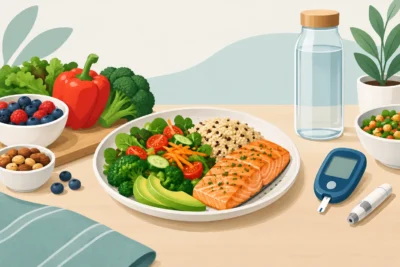
10 Signs of Insulin Resistance to Watch


You do not have to wait for a diabetes diagnosis to know something is off. In many people, the signs of insulin resistance show up long before blood sugar crosses into the diabetic range. That matters because the earlier you catch the pattern, the more power you have to change it with food, movement, sleep, stress control, and weight loss when needed.
Insulin resistance happens when your cells stop responding well to insulin, the hormone that helps move sugar out of your bloodstream and into your cells for energy. Your pancreas tries to keep up by making more insulin. For a while, blood sugar may still look "normal," but under the surface, your body is working harder than it should. Over time, that strain can lead to prediabetes, Type 2 diabetes, fatty liver, weight gain, and a higher risk of heart disease.
The tricky part is that insulin resistance does not always announce itself loudly. Some people feel fine. Others notice small changes they brush off as aging, stress, or carrying extra weight. Here are the warning signs worth taking seriously.
What you\'ll find in this article?
-
Common signs of insulin resistance
- 1. Weight gain around the belly
- 2. Strong cravings for sugar or carbs
- 3. Feeling tired after meals
- 4. Brain fog and trouble concentrating
- 5. Skin tags and dark patches of skin
- 6. High triglycerides or low HDL cholesterol
- 7. Frequent hunger, even after eating
- 8. Elevated fasting blood sugar or A1C
- 9. High blood pressure
- 10. Trouble losing weight despite effort
- Why these signs matter
- What to do if these signs sound familiar
- When to get medical advice soon
Common signs of insulin resistance
1. Weight gain around the belly
One of the most common signs of insulin resistance is extra weight around the midsection. This is not just about appearance. Belly fat is metabolically active, and it tends to be strongly tied to blood sugar problems, inflammation, and hormone imbalance.
It can go both ways. Insulin resistance can make it easier to store fat, especially around the abdomen, and excess abdominal fat can worsen insulin resistance. That is one reason many people feel stuck in a cycle where losing weight seems harder than it should be.

2. Strong cravings for sugar or carbs
If you regularly feel pulled toward sweets, bread, chips, pasta, or snack foods, there may be more going on than willpower. When insulin is not working efficiently, your cells may struggle to use glucose properly. That can leave you feeling unsatisfied even after eating.
Cravings often show up in the afternoon or after a meal that was heavy in refined carbs. The more blood sugar swings up and down, the more your appetite can feel out of control.
3. Feeling tired after meals
A lot of people with insulin resistance say the same thing: they eat, then want a nap. That heavy, sluggish, foggy feeling after lunch or dinner can be a clue that your body is having trouble handling the rise in blood sugar.
This does not mean every case of post-meal sleepiness is insulin resistance. A huge meal, poor sleep, or dehydration can do it too. But if it happens often, especially after carb-heavy meals, it is worth paying attention.
4. Brain fog and trouble concentrating
When blood sugar is unstable, your energy and focus can be unstable too. Some people describe this as mental fuzziness, forgetfulness, slow thinking, or feeling unusually unmotivated.

This symptom is easy to ignore because it overlaps with stress, poor sleep, and normal life overload. Still, if brain fog shows up along with cravings, belly fat, and fatigue, it starts to form a clearer picture.
Your skin can sometimes reveal metabolic trouble before lab work does. Small skin tags, especially around the neck, underarms, or groin, are often seen in people with insulin resistance. Another classic sign is dark, velvety skin patches called acanthosis nigricans, commonly found on the back of the neck, under the arms, or in skin folds.
These changes do not prove insulin resistance on their own, but they are common enough that they should not be dismissed. If you notice them, it is smart to get your blood sugar and insulin markers checked.
6. High triglycerides or low HDL cholesterol
Insulin resistance does not just affect blood sugar. It often shows up in a lipid panel too. Many people develop high triglycerides, low HDL or "good" cholesterol, and sometimes elevated blood pressure as part of a larger pattern called metabolic syndrome.
This is why someone can have a fasting glucose that looks borderline normal and still have serious metabolic warning signs. If your doctor has mentioned triglycerides, HDL, or blood pressure creeping in the wrong direction, look at the full picture.
7. Frequent hunger, even after eating
If you feel hungry again soon after a meal, especially one built around cereal, toast, muffins, pasta, or other fast-digesting carbs, insulin resistance may be part of the reason. Blood sugar can rise quickly, insulin surges to deal with it, and then you are left hungry again before long.
Meals that are low in protein and fiber tend to make this worse. That is one reason simple food changes can make such a big difference in how steady your appetite feels.
8. Elevated fasting blood sugar or A1C
Sometimes the earliest clue is on a lab test, not in how you feel. A fasting blood sugar in the prediabetes range, an elevated A1C, or a fasting insulin level that is higher than expected can point toward insulin resistance.
It is worth knowing that fasting glucose alone does not always catch the problem early. Some people have normal glucose for years because their pancreas is still pumping out extra insulin to compensate. That is why a fuller metabolic workup can be helpful if your symptoms fit.
9. High blood pressure
Insulin resistance often travels with high blood pressure. The connection is not random. It involves inflammation, kidney function, blood vessel changes, and excess insulin levels that can affect sodium balance and circulation.
If your blood pressure is climbing along with weight gain, fatigue, or prediabetes, those issues may be connected rather than separate problems.
10. Trouble losing weight despite effort
This sign frustrates people the most. You clean up your diet, start walking more, cut back on sugar, and the scale barely moves. While no one should expect instant results, insulin resistance can absolutely make fat loss slower and harder.
That does not mean change is impossible. It means your strategy may need to focus more on blood sugar balance than simple calorie cutting. In many cases, improving insulin sensitivity is what finally helps the body respond.
Why these signs matter
The signs of insulin resistance are easy to minimize because they are common. Plenty of adults are tired, overweight, hungry, and dealing with cravings. But common does not mean harmless.
The longer insulin resistance continues, the more likely it is to progress toward prediabetes and Type 2 diabetes. It also raises the risk of fatty liver, cardiovascular disease, PCOS in women, and ongoing inflammation. The good news is that this is one of the most responsive metabolic problems when people take action early and consistently.
What to do if these signs sound familiar
Start by getting clear data. Ask your doctor about fasting glucose, A1C, triglycerides, HDL cholesterol, blood pressure, and possibly fasting insulin if appropriate. Numbers help you move from guessing to targeting the real issue.
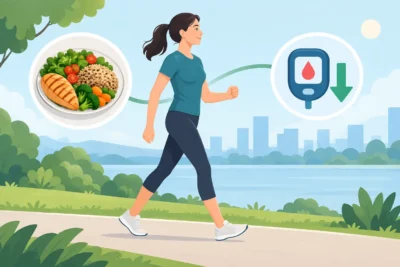
Then focus on the habits that improve insulin sensitivity. For most people, the biggest wins come from eating fewer refined carbs and sugary foods, building meals around protein and fiber, walking after meals, improving sleep, and reducing excess body fat over time. Strength training also helps because muscle tissue improves how your body handles glucose.
You do not need a perfect diet to see progress. In fact, trying to overhaul everything at once often backfires. A better approach is to start where the blood sugar spikes are most obvious. That may mean replacing sweet breakfast foods with eggs or Greek yogurt, cutting liquid sugar, or walking for 10 to 15 minutes after dinner.
It also helps to be realistic about trade-offs. Some people do well with lower-carb eating. Others feel better with a moderate-carb approach built around high-fiber foods, beans, vegetables, and controlled portions of whole grains or fruit. The best plan is the one that lowers blood sugar, supports weight control if needed, and fits your life well enough to keep doing it.
When to get medical advice soon
If you have several of these symptoms, a strong family history of diabetes, or lab work showing prediabetes, do not put this off. The same goes if you are noticing dark skin patches, rapidly increasing waist size, rising blood pressure, or constant fatigue.
At Diabetes Cure Now, the message is simple: early action matters. Insulin resistance is often reversible or at least highly improvable, but it rarely changes on its own. The sooner you respond, the better your odds of protecting your energy, your weight, and your long-term health.
Your body usually gives warnings before bigger problems arrive. Pay attention to them, act on them, and give yourself the chance to turn things around while the path is still very manageable.
Important notice: The content of Diabetes Cure Now is solely educational and informational and does not replace the evaluation, diagnosis, or treatment of a doctor or health professional. Before making changes to your diet, exercise, or medication, consult with a qualified professional..
Content reviewed for educational purposes and based on public medical sources.
Sources consulted
- American Diabetes Association (ADA)
- Mayo Clinic
- CDC
- NIH
12 Diabetic Recipes That Keep Meals Balanced
Diabetic Kidney Health Guide for Daily Protection

How to Start Walking With Diabetes Safely

10 Healthy Soups for Diabetics That Satisfy
Do Chia Seeds for Blood Sugar Really Help?

How to Reduce Dawn Phenomenon Naturally
Is Fruit Safe for Diabetes? What to Know
How to Walk After Meals for Better Blood Sugar