
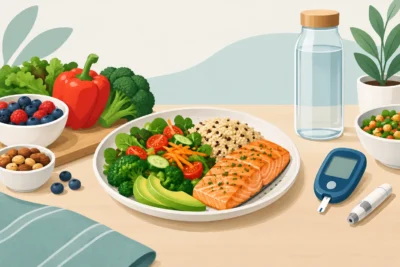
Walking After Meals for Blood Sugar Control


That after-dinner slump is not just about feeling tired. For many people with prediabetes, Type 2 diabetes, or stubborn glucose swings, it can be a sign that a meal pushed blood sugar higher than the body can comfortably handle. The good news is that walking after meals blood sugar management is one of the simplest strategies you can start today, without a gym membership, complicated equipment, or a major life overhaul.
A short walk after eating helps your muscles use glucose when your blood sugar is naturally rising. That matters because post-meal spikes are often where people lose control of their numbers, even if fasting glucose seems only mildly elevated. If you want a natural, practical way to support better readings, this habit deserves serious attention.
What you\'ll find in this article?
- Why walking after meals helps blood sugar
- How soon should you walk after eating?
- How long should the walk be?
- What kind of walk is best?
- Walking after meals blood sugar results: what to expect
- Best meals to walk after
- Who should be careful?
- How to make it a real habit
- A simple strategy that works with your body
Why walking after meals helps blood sugar
After you eat, carbohydrates are broken down into glucose and released into the bloodstream. Normally, insulin helps move that glucose into cells for energy. But if you have insulin resistance, which is common in prediabetes and Type 2 diabetes, that process is less efficient. Blood sugar tends to stay elevated longer, especially after larger meals or meals high in refined carbs.
Walking changes the picture in a very helpful way. When your muscles contract, they can pull in glucose from the bloodstream and use it for energy. This happens even without a big insulin response. In plain terms, movement gives your body another path for clearing some of that circulating sugar.
That is why timing matters. A walk taken soon after a meal often works better for post-meal glucose than a walk done hours later. You are meeting the blood sugar rise when it is happening, not after the spike has already passed.

There is another benefit here too. Regular walking can support weight loss, improve insulin sensitivity over time, and reduce the overall strain on your metabolic system. So while one walk can help one meal, the habit itself can help your broader blood sugar pattern.
How soon should you walk after eating?
For most people, the sweet spot is within about 10 to 30 minutes after finishing a meal. You do not need to power out the door the second you put down your fork. In fact, some people feel better waiting a few minutes, especially after a larger meal.
The goal is simply to move during the period when blood sugar is beginning to rise. A gentle to moderate walk during that window can blunt the spike and help glucose come down more smoothly.
If you wait too long, the benefit may be smaller for that specific meal. That does not mean the walk is useless. Any movement is better than staying planted on the couch. But if your main goal is post-meal glucose control, earlier is usually better.
How long should the walk be?
This is where people often overcomplicate things. You do not need a 45-minute workout after every meal.

For many adults, even 10 to 15 minutes of walking after a meal can make a difference. That is one reason this strategy works so well in real life. It is short enough to fit into a lunch break, an evening routine, or a quick lap around the neighborhood.
If you can walk 20 to 30 minutes and it feels comfortable, that may offer even more benefit. But consistency matters more than perfection. A realistic 10-minute walk after dinner done five or six days a week will likely help more than a long walk you only do once in a while.
Some people get excellent results from focusing on the biggest meal of the day. Others do better taking brief walks after breakfast, lunch, and dinner. It depends on your schedule, your blood sugar patterns, and which meal tends to hit you the hardest.
What kind of walk is best?
Think steady, not punishing. You want a pace that gets you moving and lightly raises your heart rate, but still lets you talk. For most people, that means an easy-to-brisk walk, not a sprint.
If you walk too hard right after eating, you may feel uncomfortable, especially if the meal was large. A moderate pace is usually the best balance between effectiveness and comfort.
Walking outdoors is great, but it is not required. A treadmill works. Walking the hallways at work works. Marching in place during a TV commercial break can help. If weather, mobility, or safety is an issue, the best walk is the one you can actually repeat.
Walking after meals blood sugar results: what to expect
Some people notice better glucose readings within days of starting this habit. If you use a glucose meter or continuous glucose monitor, you may see smaller spikes after meals, especially after carb-heavy meals.
That said, results are not identical for everyone. The impact depends on several factors, including what you ate, how much you ate, your current insulin sensitivity, stress levels, sleep quality, and whether you are already physically active.
A 10-minute walk after a balanced meal might lead to a modest improvement. The same walk after a large plate of pasta, bread, and dessert may help, but it may not fully offset that glucose load. Movement is powerful, but it does not erase the effects of overeating or high-sugar choices.
This is where a lot of frustration comes from. People try one healthy habit and expect it to cancel out everything else. A post-meal walk works best as part of a bigger approach that includes better food choices, portion awareness, regular activity, stress control, and enough sleep.
Best meals to walk after
If you cannot walk after every meal, start where it counts most.
Dinner is often the best place to begin because it is commonly the largest meal and the one followed by the most sitting. Evening blood sugar can also stay elevated longer if you eat late and become inactive right away.
Breakfast can be another smart target, especially if your morning meal includes toast, oatmeal, fruit, cereal, or other carb-heavy foods. A short walk after breakfast may help reduce the sharp rise some people see early in the day.
Lunch matters too, particularly if you return to a desk immediately after eating. A 10-minute walk around the building or parking lot can be a practical way to break that pattern.
Who should be careful?
Walking after meals is generally safe for most people, but there are exceptions.
If you take insulin or blood sugar-lowering medication, exercise can sometimes contribute to low blood sugar, especially if your meal was smaller than usual. If that applies to you, monitor your response and talk with your healthcare provider about how to do this safely.
If you have diabetic neuropathy, foot problems, balance issues, heart disease, or joint pain, choose a pace and setting that feel secure. Supportive shoes matter. So does avoiding uneven ground if stability is an issue.
And if walking right after eating causes cramping, reflux, or discomfort, shorten the walk, slow the pace, or wait 15 to 20 minutes before starting. The best plan is one your body tolerates well.
How to make it a real habit
Most people do not fail because walking is ineffective. They fail because they rely on motivation instead of routine.
Attach the walk to something automatic. As soon as dinner is over, clear the table and head outside. After lunch, set a timer and walk before checking email again. Keep it tied to the meal, not to your mood.
It also helps to lower the bar. You are not training for a race. You are using movement as blood sugar support. Even a short walk counts. Once people understand that, they are much more likely to stay consistent.
If you want extra accountability, track your post-meal readings and compare days when you walk versus days when you do not. That kind of feedback can be motivating because it turns a vague health tip into something you can actually see.
A simple strategy that works with your body
Blood sugar control does not always require dramatic changes. Sometimes the most effective habits are the ones that are so simple people overlook them. Walking after meals fits that category.
It works with your body at the exact time glucose is rising. It costs nothing. It supports digestion, insulin sensitivity, and overall metabolic health. And unlike many health strategies, it is realistic enough to keep doing.
If your numbers have been creeping up, or your post-meal spikes keep catching you off guard, start with one walk a day this week. Keep it short, keep it steady, and pay attention to what changes. Small actions repeated consistently are often what move blood sugar in the right direction.
Important notice: The content of Diabetes Cure Now is solely educational and informational and does not replace the evaluation, diagnosis, or treatment of a doctor or health professional. Before making changes to your diet, exercise, or medication, consult with a qualified professional..
Content reviewed for educational purposes and based on public medical sources.
Sources consulted
- American Diabetes Association (ADA)
- Mayo Clinic
- CDC
- NIH
12 Diabetic Recipes That Keep Meals Balanced
Diabetic Kidney Health Guide for Daily Protection
How to Start Walking With Diabetes Safely

10 Healthy Soups for Diabetics That Satisfy
Do Chia Seeds for Blood Sugar Really Help?

How to Reduce Dawn Phenomenon Naturally
Is Fruit Safe for Diabetes? What to Know
How to Walk After Meals for Better Blood Sugar