
Why Is Diabetes Prevention Important?


A lot of people do not worry about blood sugar until a doctor says the word prediabetes or Type 2 diabetes. That is usually the moment the question becomes urgent: why is diabetes prevention important, and what can you actually do about it before things get harder to reverse?
The short answer is simple. Preventing diabetes can protect your heart, kidneys, nerves, eyesight, energy, and quality of life. It can also save you years of frustration with medications, unstable blood sugar, and avoidable health complications. Most of all, prevention matters because the earlier you act, the more power you usually have to change the outcome.
What you\'ll find in this article?
- Why is diabetes prevention important for long-term health?
- The real cost of waiting
- Why diabetes prevention is important even if you feel fine
- Prevention supports more than blood sugar
- Prevention can be more realistic than people think
- Who should take diabetes prevention seriously?
- What makes prevention work?
- Why is diabetes prevention important for families too?
- The best time to start is before things get worse
Why is diabetes prevention important for long-term health?
Type 2 diabetes rarely appears overnight. In many people, it builds slowly through insulin resistance, rising blood sugar, weight gain around the abdomen, poor sleep, chronic stress, low activity, and food habits that keep glucose elevated for too many hours of the day. That slow build is exactly why prevention matters so much.
When blood sugar stays high over time, it can quietly damage blood vessels and nerves long before symptoms feel serious. Some people feel tired, thirsty, or foggy. Others feel almost nothing at all. Meanwhile, the body is under strain. That is one reason prediabetes is not something to brush off. It is often the warning light on the dashboard.
Prevention gives you a chance to step in while the body is still responsive. For many adults, lifestyle changes made during prediabetes or early insulin resistance can improve glucose control significantly. In some cases, they can stop progression to Type 2 diabetes altogether. That is a much easier road than waiting until high blood sugar has become a daily battle.

The real cost of waiting
People often think of diabetes as a blood sugar problem only. It is not. It is a full-body metabolic issue, and the effects can reach much farther than most people expect.
Uncontrolled diabetes raises the risk of heart disease and stroke. It can affect kidney function, damage the small blood vessels in the eyes, and contribute to numbness or pain in the feet and hands. Wounds may heal more slowly. Energy can drop. Sleep may worsen. Even mood and concentration can take a hit when blood sugar swings become more frequent.
There is also the daily burden. Meal planning becomes more stressful. Travel can feel complicated. You may need more appointments, more testing, and more decisions every day. None of this means a diagnosis is hopeless. Many people improve dramatically with the right habits. But prevention is easier, cheaper, and less exhausting than trying to manage multiple complications after they appear.
Why diabetes prevention is important even if you feel fine
One of the biggest traps with prediabetes is that it often feels invisible. You can have elevated blood sugar for years and still assume everything is fine because nothing hurts. That false sense of security delays action.
The problem is that metabolic damage can begin before obvious symptoms show up. Insulin resistance does not always announce itself clearly. Sometimes the clues are subtle - more belly fat, stronger sugar cravings, afternoon crashes, brain fog after meals, high triglycerides, or a fasting glucose that keeps creeping up. These signs are easy to dismiss, especially if life is busy.

That is why prevention is not only for people who already have a diagnosis. It is for people with family history, excess weight, high blood pressure, low activity, poor sleep, or a history of gestational diabetes. It is also for adults who simply want to protect their future health before the warning signs get louder.
Prevention supports more than blood sugar
A smart prevention plan does more than lower diabetes risk. It often improves several areas of health at the same time.
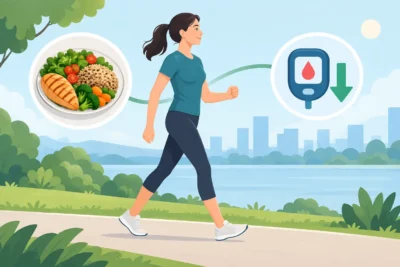
When you start eating in a way that steadies blood sugar, you may also notice fewer cravings, better appetite control, and more stable energy. When you begin walking after meals or building muscle with resistance training, your body often becomes more insulin sensitive. That can support weight loss, lower blood pressure, and improve cholesterol numbers too.
This is important because metabolic problems tend to travel together. Someone at risk for Type 2 diabetes may also be dealing with belly fat, fatigue, high triglycerides, fatty liver, or elevated blood pressure. Prevention can improve the whole picture, not just one lab result.
That is one reason lifestyle-based change is so powerful. You are not just trying to avoid a label. You are building a healthier metabolism overall.
Prevention can be more realistic than people think
Many adults hear the word prevention and assume it means a perfect diet, intense workouts, and giving up every food they enjoy. That belief stops progress before it starts.
In real life, diabetes prevention usually comes from consistent basics. Losing even a modest amount of weight can improve insulin sensitivity. Walking regularly helps muscles use glucose more effectively. Eating fewer ultra-processed foods and more protein, fiber, and whole foods can reduce blood sugar spikes. Sleeping better and managing stress also matter more than most people realize.
It does not have to be extreme to be effective. In fact, extreme plans often backfire because they are hard to maintain. The better approach is one you can keep doing next month, not just this week.
That said, there is no single formula that works for everyone. Some people do well with lower-carb eating. Others benefit most from portion control, cutting sugary drinks, and moving more after meals. The key is not chasing perfection. The key is lowering the daily pressure on your blood sugar in ways you can sustain.
Who should take diabetes prevention seriously?
Almost everyone can benefit from better blood sugar habits, but some groups should be especially proactive. If you have prediabetes, a family history of Type 2 diabetes, excess abdominal weight, high blood pressure, high triglycerides, PCOS, sleep apnea, or a history of gestational diabetes, your risk may be higher than you think.
Age matters too, but diabetes is no longer only a problem of older adulthood. Many younger adults are now dealing with insulin resistance earlier because of sedentary routines, poor sleep, constant snacking, and highly processed diets. That means prevention should start as soon as risk shows up, not years later.
If your lab work has been borderline, do not wait for it to become a crisis before you respond. A borderline result is often the perfect time to act.
What makes prevention work?
The most effective prevention strategies are usually the least flashy. They work because they improve how your body handles glucose day after day.
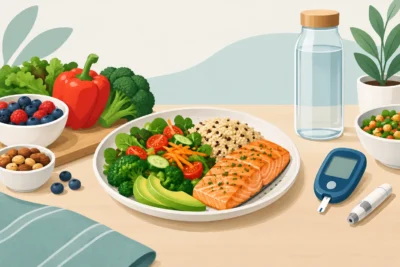
Start with food quality. Meals built around protein, non-starchy vegetables, healthy fats, and smart portions of carbs tend to be easier on blood sugar than meals based on refined starches and sweets. Next, focus on movement. A daily walk, especially after meals, can make a real difference. Strength training helps too because muscle tissue acts like a storage site for glucose.
Then look at body weight, sleep, and stress. Excess weight, especially around the midsection, can increase insulin resistance. Poor sleep can raise hunger hormones and worsen blood sugar control. Chronic stress can do the same. These may sound like side issues, but they are not. They are part of the blood sugar story.
At Diabetes Cure Now, the message is simple: practical daily habits can move your numbers in the right direction. You do not need to wait for a major health scare to begin.
Why is diabetes prevention important for families too?
Diabetes does not affect one person in isolation. It changes grocery shopping, meal habits, finances, stress levels, and long-term caregiving needs. Prevention can protect the whole household from that strain.
It also sets an example. When one adult starts making healthier choices, others often follow. Kids notice what is in the kitchen. Spouses notice when dinners become more balanced and evening walks become normal. Prevention can create a healthier home environment that lowers risk across generations.
That matters even more when diabetes runs in the family. Genetics may raise risk, but they do not erase the value of lifestyle change. Family history is a reason to act earlier, not a reason to give up.
The best time to start is before things get worse
If you have been asking why diabetes prevention is important, the real answer is this: it gives you a chance to protect your health before damage becomes harder to undo. It helps you stay stronger, more independent, and more in control of your future.
You do not need a perfect plan to begin. You need a starting point you can stick with - a better breakfast, a walk after dinner, fewer sugary drinks, more sleep, or finally taking prediabetes seriously. Small actions done consistently can change the direction of your health, and that is worth starting today.
Important notice: The content of Diabetes Cure Now is solely educational and informational and does not replace the evaluation, diagnosis, or treatment of a doctor or health professional. Before making changes to your diet, exercise, or medication, consult with a qualified professional..
Content reviewed for educational purposes and based on public medical sources.
Sources consulted
- American Diabetes Association (ADA)
- Mayo Clinic
- CDC
- NIH
12 Diabetic Recipes That Keep Meals Balanced
Diabetic Kidney Health Guide for Daily Protection
How to Start Walking With Diabetes Safely

10 Healthy Soups for Diabetics That Satisfy
Do Chia Seeds for Blood Sugar Really Help?

How to Reduce Dawn Phenomenon Naturally
Is Fruit Safe for Diabetes? What to Know
How to Walk After Meals for Better Blood Sugar