
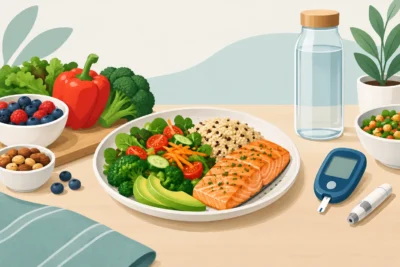
Best Fruits for Blood Sugar and Steadier Energy


A piece of fruit can be a smart snack or the start of a blood sugar spike - the difference often comes down to the fruit, the portion, and what you eat with it. The best fruits for blood sugar are not necessarily the least sweet ones. They are fruits that bring fiber, water, and helpful plant compounds along with their natural sugar, making them easier to fit into a diabetes-friendly eating pattern.
If you have Type 2 diabetes or prediabetes, you do not have to fear fruit. The goal is to choose whole fruit more often, keep servings realistic, and pay attention to your own glucose response. Those simple habits can help you enjoy food while taking meaningful control of your metabolic health.
What you\'ll find in this article?
What Makes a Fruit Better for Blood Sugar?
Fruit contains carbohydrates, and carbohydrates can raise blood glucose. But whole fruit is very different from candy, pastries, or fruit juice. Its fiber slows digestion, while its water content adds volume without many calories. Chewing a whole apple or orange also takes longer than drinking a sweet beverage, giving your body more time to respond.
For most people, a good fruit choice has a moderate amount of carbohydrate per serving and enough fiber to make it satisfying. Fruits with a lower glycemic impact are often useful, but the glycemic index is not the whole story. Serving size, ripeness, preparation, and what else is on your plate all matter.
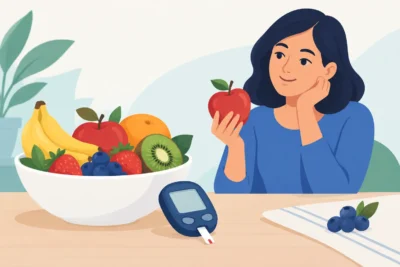
For example, a small banana may work well before a walk for one person, while another person sees a sharper rise and does better with berries. Your meter or continuous glucose monitor can turn guesswork into useful personal feedback.

10 Best Fruits for Blood Sugar Control
1. Berries
Strawberries, blueberries, raspberries, and blackberries are among the strongest everyday choices. They are naturally sweet but comparatively low in sugar per cup, and raspberries and blackberries are especially high in fiber. Their deep colors also signal the presence of antioxidants that support overall health.
Try berries with plain Greek yogurt, cottage cheese, or a handful of nuts. The protein and fat can make the snack more filling and may help soften the blood sugar rise.
2. Apples
An apple is portable, affordable, and easy to portion. The skin contains much of the fiber, so eat it unpeeled after washing it well. A small apple generally has a more manageable carbohydrate load than a large one.
Pair apple slices with natural peanut butter or a piece of cheese rather than eating them alone when you need longer-lasting energy. Watch peanut butter portions, since calories can add up quickly.
3. Pears
Pears are another high-fiber choice that can satisfy a dessert craving without relying on processed sweets. A firm, medium pear is usually more blood-sugar-friendly than a very soft, overripe one, although both can fit in a balanced plan.

Because pears are filling, they can be useful for people trying to manage appetite and body weight. Weight loss, when appropriate, can improve insulin sensitivity and support better glucose numbers over time.
4. Oranges and Other Whole Citrus
Whole oranges, grapefruit, tangerines, and clementines offer vitamin C, fluid, and fiber. The key word is whole. Orange juice removes much of the fiber and makes it easy to consume several oranges' worth of sugar in minutes.
A medium orange or two small clementines make a reasonable serving for many adults. If you take medication, ask your pharmacist or clinician whether grapefruit interacts with it. Grapefruit can affect how several common medications are processed.
5. Cherries
Fresh cherries have a rich flavor that makes a modest serving feel like a treat. They can be a welcome substitute for candy or baked desserts, especially when you want something sweet after dinner.
Keep the portion measured rather than eating from a large bowl. About 12 to 15 cherries is a practical starting point. Frozen unsweetened cherries work well, too, but avoid varieties packed in syrup.
6. Peaches and Plums
Stone fruits such as peaches, plums, nectarines, and apricots are refreshing options when they are in season. They contain water and fiber and tend to be less calorie-dense than many packaged snacks.
Choose fresh or frozen fruit without added sugar. Canned peaches or pears can still be used occasionally if they are packed in water or their own juice, but syrup-packed versions are far more likely to push your carbohydrate intake higher than planned.
7. Kiwi
Kiwi is small but nutrient-dense, with fiber and a bright, tangy flavor. One or two kiwis can fit easily into breakfast or an afternoon snack. The edible skin contains extra fiber, though many people prefer to peel it.
Kiwi can be particularly helpful when you are bored with apples and berries. A blood-sugar-friendly plan has to be enjoyable enough to repeat, not just technically healthy.
8. Avocado
Avocado is botanically a fruit, and it is unusual because it is low in sugar and higher in heart-healthy fat. It is not a sweet fruit, but it is one of the most useful choices for building a meal that keeps you full.
Add avocado to eggs, salads, tacos, or a turkey sandwich. Its calories are higher than those in berries or melon, so a quarter to half of a medium avocado is often enough.
9. Guava
Guava offers a generous amount of fiber and vitamin C with a tropical flavor. Fresh guava can be a satisfying choice if you want variety beyond the standard grocery-store options.
Eat the fruit whole when possible. Guava nectar and sweetened guava drinks do not offer the same advantage and can contain a surprising amount of added sugar.
10. Melon in a Measured Portion
Watermelon and cantaloupe can raise blood sugar faster for some people because they are easy to eat in large amounts. That does not mean they are off-limits. Their high water content makes them refreshing, and a small serving can fit well into a meal.
Start with about three-quarters to one cup of cubed melon, ideally alongside protein such as grilled chicken, yogurt, or a few nuts. If your glucose runs high afterward, reduce the portion or choose berries more often.
Portion Size Matters as Much as the Fruit
Even the healthiest fruit can become a problem when portions grow too large. A useful starting point is one small piece of whole fruit, one cup of berries or melon, or one-half cup of sliced fruit. This usually provides roughly 15 to 20 grams of carbohydrate, though amounts vary.
Dried fruit needs extra caution. Raisins, dates, dried mango, and dried cranberries are concentrated sources of sugar because the water has been removed. A small box of raisins can disappear quickly and may affect glucose much more than a handful of grapes. If you enjoy dried fruit, measure a small portion and eat it with nuts or yogurt rather than straight from the bag.
Fruit juice is another common trap. Even 100% juice can raise blood sugar quickly because it lacks the filling fiber of whole fruit. Make whole fruit your default, and treat juice as an occasional item rather than a daily health drink.
How to Eat Fruit Without the Spike
The simplest strategy is to avoid eating fruit as a stand-alone carbohydrate when you are especially hungry. Combine it with protein, fat, or fiber from another food. Berries with yogurt, a pear with walnuts, or an orange after a balanced lunch are all stronger choices than juice and a muffin for breakfast.
Timing matters, too. Many people tolerate fruit better when they are active or when it is part of a meal. A short walk after eating can help working muscles use glucose for fuel. You do not need an intense workout - even 10 to 15 minutes of easy walking after a meal can be a powerful daily habit.
Pay attention to labels on fruit products. Fruit cups, smoothies, flavored yogurts, frozen fruit bars, and canned fruit may contain added sugars that change the picture completely. “Made with real fruit” does not automatically mean blood-sugar-friendly.
Use Your Numbers to Personalize Your Choices
No list can replace your own glucose data. If you monitor blood sugar, check before a meal and again about two hours after eating, following the plan your healthcare professional recommends. Record the fruit, portion, and foods eaten alongside it. Patterns will show up quickly.
If a certain fruit repeatedly sends your readings higher than your target, try a smaller portion, pair it with protein, or save it for a time when you are more active. If you use insulin or medications that can cause low blood sugar, do not make major carbohydrate cuts without discussing them with your prescribing clinician.
Small food choices repeated day after day can change the direction of your health. Start with one fruit you genuinely enjoy, serve it whole and in a measured portion, and let each steady reading become proof that you can build a better routine.
Important notice: The content of Diabetes Cure Now is solely educational and informational and does not replace the evaluation, diagnosis, or treatment of a doctor or health professional. Before making changes to your diet, exercise, or medication, consult with a qualified professional..
Content reviewed for educational purposes and based on public medical sources.
Sources consulted
- American Diabetes Association (ADA)
- Mayo Clinic
- CDC
- NIH
12 Diabetic Recipes That Keep Meals Balanced
Diabetic Kidney Health Guide for Daily Protection

How to Start Walking With Diabetes Safely
10 Healthy Soups for Diabetics That Satisfy
Do Chia Seeds for Blood Sugar Really Help?

How to Reduce Dawn Phenomenon Naturally
Is Fruit Safe for Diabetes? What to Know

How to Walk After Meals for Better Blood Sugar