
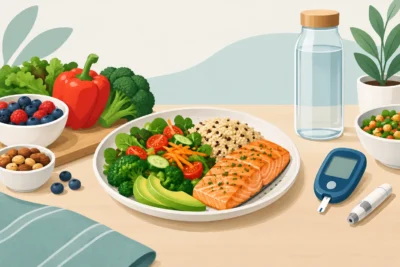
10 Best Nuts for Diabetics


A lot of people get nervous around nuts because they are high in fat and calories. But when you are trying to steady blood sugar, reduce cravings, and make meals more satisfying, the best nuts for diabetics can actually be one of the smartest foods to keep on hand.
The reason is simple. Nuts are naturally low in sugar and usually low in digestible carbs, while giving you fiber, healthy fats, and minerals that support metabolic health. That combination can help slow digestion, blunt sharp blood sugar swings, and keep you full longer. Still, not every nut works the same way, and portion size matters more than most people realize.
What you\'ll find in this article?
Why nuts can help with blood sugar
For people with Type 2 diabetes or prediabetes, meals that digest too quickly often lead to a familiar pattern - a blood sugar spike, followed by a crash, followed by more hunger. Nuts tend to work in the opposite direction. Their fat, fiber, and protein slow the pace of digestion, which usually leads to a steadier rise in blood sugar after eating.
Many nuts also contain magnesium, a mineral linked with insulin function and glucose control. Some provide plant compounds with anti-inflammatory effects, which matters because chronic inflammation and insulin resistance often travel together. This does not mean nuts are a cure on their own. It means they can support the bigger picture when you use them in place of more processed snack foods.
That trade-off is worth paying attention to. A handful of almonds is a very different choice than a bag of chips, crackers, or candy, even if the calorie count looks similar.

Best nuts for diabetics to eat regularly
Almonds
Almonds are one of the best all-around options for blood sugar support. They are low in net carbs, rich in magnesium, and easy to use in real life. You can eat them alone, pair them with fruit, or add sliced almonds to plain yogurt or oatmeal to slow down how fast that meal hits your system.
They are especially helpful for people who need a reliable snack that travels well. Just watch portions. Almonds are healthy, but it is still easy to eat two or three servings without noticing.
Walnuts
Walnuts stand out for their omega-3 fats, especially alpha-linolenic acid, which may support heart health. That matters because diabetes and cardiovascular risk are closely connected. Walnuts are not the lowest-calorie nut, but they are deeply satisfying and tend to work well in small portions.
Their slightly bitter, earthy taste also makes them less likely to trigger mindless overeating than sweeter snack foods. Toss them into salads or use chopped walnuts on top of cottage cheese for a balanced snack.
Pistachios
Pistachios are a strong choice because they offer protein, fiber, and a built-in portion control advantage when you buy them in the shell. Taking time to crack each one naturally slows you down, which can make a real difference if evening snacking is one of your weak spots.

They also tend to feel more substantial than their size suggests. For some people, pistachios are one of the easiest nuts to eat consistently without overdoing it.
Pecans
Pecans are very low in carbs and rich in healthy fats, which makes them appealing for lower-carb eating plans. They have a buttery texture and can satisfy the craving for something rich without pushing blood sugar up much.
The catch is that pecans are calorie-dense even by nut standards. They can be helpful, but they are best used deliberately rather than eaten by the bag while watching TV.
Peanuts
Technically peanuts are legumes, not tree nuts, but they still belong in this conversation because many people eat them regularly and tolerate them well. They are affordable, widely available, and generally blood sugar-friendly when plain or dry roasted.
Natural peanut butter can also be useful, especially if it contains only peanuts and salt. The problem starts when peanuts are coated in sugar, honey, chocolate, or sweet flavoring. That turns a solid snack into a dessert.
Hazelnuts
Hazelnuts do not get as much attention as almonds or walnuts, but they deserve it. They are low in carbs, rich in healthy fats, and have a satisfying crunch. If you like variety, hazelnuts can help prevent food boredom, which is often what pushes people back toward processed snacks.
They pair well with plain Greek yogurt or can be chopped into a homemade trail mix with pumpkin seeds and unsweetened coconut.
Macadamia nuts
Macadamia nuts are very low in carbs and high in monounsaturated fat. For people following a lower-carb or ketogenic style plan, they often fit easily. They are rich and filling, so a small amount goes a long way.
Their downside is cost. They are usually more expensive than other nuts, so they may not be the most practical everyday option for every household.
Brazil nuts
Brazil nuts are best treated as a small-dose food rather than a frequent handful snack. They are known for selenium, a mineral that supports antioxidant defenses, but you do not need many to get the benefit. One to two nuts can be plenty.
That is a good reminder that more is not always better. With Brazil nuts, moderation is part of using them wisely.
Which nuts are best for diabetics if weight loss is also the goal?
If you are trying to improve blood sugar and lose weight at the same time, the best nuts for diabetics are usually the ones you can portion easily and eat without triggering overeating. Almonds and pistachios often work well because they are satisfying, practical, and easy to build into a routine.
Walnuts can also help because they are rich and hunger-reducing, but some people find them too easy to overeat if they are eating straight from a large container. Pecans and macadamias are excellent for low-carb eating, yet they are very calorie-dense. So the best choice depends on your habits, not just the nutrition label.
If you know you snack when stressed, buy single-serve packs or portion nuts into small containers ahead of time. That one step can save you from turning a healthy habit into a hidden calorie problem.
Nuts to be careful with
Plain nuts are one thing. Candied, honey-roasted, yogurt-covered, chocolate-covered, and heavily salted nuts are another. These products can raise blood sugar more than people expect and may encourage overeating.
Flavored nut mixes are also worth reading carefully. Some contain starches, sugars, seed oils, and additives that do not support the natural, blood sugar-friendly effect you are after. A simple ingredient list is usually your best sign.
Salt is another gray area. If you have high blood pressure, unsalted or lightly salted nuts may be the better fit. If you do not, a moderate amount of salt is not always a deal breaker, but heavily salted nuts can make it harder to stay in control of overall diet quality.
Smart ways to eat nuts without spiking calories
Nuts work best as part of a balanced eating pattern, not as a free food. A small handful is usually enough for a snack. You can also use them to improve meals you are already eating. Add almonds to oatmeal, walnuts to a salad, or pistachios alongside a piece of fruit instead of reaching for crackers.
Nut butter can be useful too, especially with apple slices or celery, but measure it. Spoonfuls get bigger fast. If your goal is blood sugar improvement, consistency matters more than perfection. You do not need the fanciest nut or a complicated plan. You need repeatable habits that make your meals steadier and your cravings easier to manage.
The bottom line on the best nuts for diabetics
Almonds, walnuts, pistachios, pecans, peanuts, hazelnuts, macadamias, and even small amounts of Brazil nuts can all fit into a diabetes-friendly lifestyle. The best choice depends on your blood sugar response, your budget, your taste, and whether portion control is easy or difficult for you.
If you want a simple place to start, choose plain almonds or pistachios, keep portions modest, and use them to replace processed snacks instead of adding them on top of what you already eat. Small decisions like that may seem minor, but they are exactly how better blood sugar control starts to take shape in everyday life.
Important notice: The content of Diabetes Cure Now is solely educational and informational and does not replace the evaluation, diagnosis, or treatment of a doctor or health professional. Before making changes to your diet, exercise, or medication, consult with a qualified professional..
Content reviewed for educational purposes and based on public medical sources.
Sources consulted
- American Diabetes Association (ADA)
- Mayo Clinic
- CDC
- NIH
12 Diabetic Recipes That Keep Meals Balanced
Diabetic Kidney Health Guide for Daily Protection

How to Start Walking With Diabetes Safely
10 Healthy Soups for Diabetics That Satisfy
Do Chia Seeds for Blood Sugar Really Help?

How to Reduce Dawn Phenomenon Naturally
Is Fruit Safe for Diabetes? What to Know

How to Walk After Meals for Better Blood Sugar