
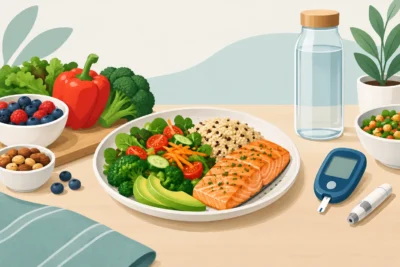
Blood Sugar Monitor Comparison That Helps


If your blood sugar readings feel confusing, inconsistent, or hard to act on, the problem may not be your effort. It may be the device in your hand. A smart blood sugar monitor comparison can save you money, reduce frustration, and help you make better daily decisions about food, exercise, and routine.
For many people with Type 2 diabetes or prediabetes, a glucose monitor becomes part of everyday life. You use it to check fasting numbers, see how meals affect you, and spot patterns before they become bigger problems. But not all monitors feel the same to use, and not all of them make day-to-day tracking easier.
What you\'ll find in this article?
- What matters most in a blood sugar monitor comparison
- Blood sugar monitor comparison: the 6 features that matter most
- Comparing basic meters vs smart meters
- How continuous glucose monitors fit into the comparison
- Which type of monitor fits your situation?
- Common mistakes people make when choosing a monitor
- The best monitor is the one you will use consistently
What matters most in a blood sugar monitor comparison
Most people start by looking at price. That makes sense, but it is only one part of the decision. A monitor that is cheap upfront can become expensive if the test strips cost more over time. On the other hand, a slightly pricier meter may be easier to use, need less blood, and give you a smoother routine that you will actually stick with.
Accuracy matters first. Home glucose meters are not perfect, but they should be consistent enough to help you notice meaningful trends. If one meter gives wildly different readings within minutes, that creates stress and makes it harder to trust your plan. A good meter should help you answer practical questions like whether your breakfast spikes you, whether walking after dinner helps, or whether your fasting number is improving over the month.
Ease of use is just as important, especially for older adults or anyone who checks several times a day. Screen size, button layout, strip insertion, and blood sample size all affect whether a device feels manageable or annoying. If using the monitor is a hassle, people often test less often, and that means fewer chances to catch patterns early.

Blood sugar monitor comparison: the 6 features that matter most
The best monitor is not always the one with the longest feature list. It is the one that fits your habits, budget, and health goals.
1. Accuracy and consistency
Look for a monitor from a reputable manufacturer with solid user feedback and a clear track record. No home meter is identical to a lab test, but a reliable one should stay reasonably consistent when used correctly. If your readings seem off, technique can also be part of the issue. Dirty fingers, expired strips, and poor storage can all affect results.
2. Test strip cost
This is where long-term cost sneaks up on people. A meter may look affordable, but if strips are expensive, your monthly spending rises fast. If you test two to four times a day, strip cost often matters more than the meter price itself.
3. Blood sample size
Some monitors need only a tiny drop of blood. That can make testing much more comfortable, especially if your fingers are already sore from frequent checks. For people who have trouble getting enough blood from a fingerstick, this feature is a bigger deal than it may seem.
4. Speed and display
Most modern meters give results quickly, but the display still matters. A large, bright screen is easier to read, especially first thing in the morning or at night. Some devices also flag high or low readings clearly, which can reduce guesswork.

5. Memory and tracking tools
Many meters store past readings and let you mark them as before meals or after meals. Some connect to a smartphone app. That can be useful if you want to spot trends, share readings, or connect your numbers to food choices and exercise habits.
6. Insurance coverage and availability
A good meter is not very helpful if the strips are hard to find. Before you choose, check whether the supplies are sold at major pharmacies and whether your insurance helps cover them. Convenience matters because diabetes management works best when it is sustainable.
Comparing basic meters vs smart meters
For some readers, a simple traditional meter is the better option. It checks your blood sugar, stores your recent readings, and gets the job done without extra tech. If you want something straightforward, affordable, and easy to keep in the kitchen or your bag, a basic meter may be enough.
Smart meters add app syncing, pattern reports, reminders, and digital logs. These features can be useful if you are actively trying to improve A1C, lose weight, or identify how specific meals affect you. Seeing trends on a graph can be motivating. It can also help you connect your habits to your results faster.
The trade-off is that smart meters may feel more complicated. Some people love having the data organized automatically. Others find the app setup annoying and end up ignoring the extra features. It depends on whether technology helps you stay consistent or just adds friction.
How continuous glucose monitors fit into the comparison
A true blood sugar monitor comparison should also mention continuous glucose monitors, or CGMs. These devices track glucose throughout the day and night using a small sensor worn on the body. Instead of isolated fingerstick readings, you get a fuller picture of trends.
For people focused on lifestyle change, CGMs can be eye-opening. You can see how oatmeal compares with eggs, what happens after a restaurant meal, or whether a short walk lowers your post-meal rise. That kind of feedback can make food and exercise choices feel more real and more motivating.
Still, CGMs are not automatically the best choice for everyone. They usually cost more, insurance coverage varies, and some people do not want to wear a sensor. Fingerstick meters are still useful, especially if you want a lower-cost option or only need periodic checks.
Which type of monitor fits your situation?
If you are newly diagnosed or have prediabetes, a simple meter with affordable strips may be the smartest place to start. It gives you enough data to learn how your body responds without turning monitoring into a major project.
If you are trying to reverse blood sugar trends through weight loss, lower-carb eating, or daily walking, a smart meter or CGM may help more. Faster feedback often leads to better choices. When you can clearly see that one breakfast keeps you steady while another sends you high, discipline becomes easier.
If you have vision issues, arthritis, or trouble with dexterity, prioritize comfort and readability over fancy features. A larger screen, easier strip handling, and a smaller blood sample can make a big difference.
If your budget is tight, think in monthly terms. The real question is not just what the meter costs today. It is what your full testing routine will cost over the next six months.
Common mistakes people make when choosing a monitor
A lot of people buy the first meter they see at the pharmacy and only later realize the strips are expensive or hard to find. Others focus too much on bells and whistles and not enough on whether they will actually use the device every day.
Another common mistake is assuming all inaccurate readings mean the meter is bad. Sometimes the issue is user error. Washing and drying your hands before testing, using fresh strips, and storing supplies properly can improve reliability. If numbers still seem consistently unusual, then it makes sense to compare the meter against a lab value or talk with a healthcare professional.
It is also easy to overtest without learning anything from the results. A monitor is most useful when you connect it to action. Check at meaningful times, such as fasting, before a meal, or one to two hours after eating, and look for patterns rather than obsessing over one number.
The best monitor is the one you will use consistently
This is where many reviews miss the point. The best blood sugar monitor is not simply the most advanced one. It is the one that helps you stay engaged with your health. That might mean a low-cost basic meter you trust. It might mean a connected monitor that gives you clear reports. It might even mean a CGM if seeing real-time glucose changes keeps you motivated.
At Diabetes Cure Now, the bigger goal is not collecting numbers for their own sake. It is using those numbers to make stronger food choices, move more often, lose excess weight, and bring blood sugar back into a healthier range. A monitor should support that mission, not complicate it.
Before you buy, ask yourself a few simple questions. Can I afford the strips or sensors long term? Will this device be easy for me to use every day? Do I want simple readings or more detailed trend tracking? And most important, will this help me take better action with meals, activity, and routine?
The right device gives you feedback, but the real power comes from what you do next. Use your readings to learn, not to panic. Small daily adjustments can create very real change over time, and the right monitor can help you see that progress sooner.
Important notice: The content of Diabetes Cure Now is solely educational and informational and does not replace the evaluation, diagnosis, or treatment of a doctor or health professional. Before making changes to your diet, exercise, or medication, consult with a qualified professional..
Content reviewed for educational purposes and based on public medical sources.
Sources consulted
- American Diabetes Association (ADA)
- Mayo Clinic
- CDC
- NIH
12 Diabetic Recipes That Keep Meals Balanced
Diabetic Kidney Health Guide for Daily Protection

How to Start Walking With Diabetes Safely
10 Healthy Soups for Diabetics That Satisfy
Do Chia Seeds for Blood Sugar Really Help?

How to Reduce Dawn Phenomenon Naturally
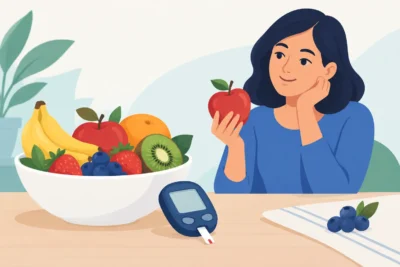
Is Fruit Safe for Diabetes? What to Know

How to Walk After Meals for Better Blood Sugar