
Blood Sugar Support Supplements Review Guide


A bottle that promises “healthy glucose support” can sound like a simple answer when your morning readings are higher than you want. But a useful blood sugar support supplements review has to look beyond the front label. The right question is not whether a supplement can replace the work of improving blood sugar. It cannot. The question is whether a specific ingredient may offer modest support while you build the habits that make the biggest difference: better meals, regular movement, sleep, weight management, and appropriate medical care.
For adults with prediabetes or Type 2 diabetes, supplements can be tempting because they are easy to buy. They are also easy to overestimate. The best approach is hopeful but practical: choose carefully, monitor your response, and never let a capsule distract from the daily actions that help your body handle glucose more effectively.
What you\'ll find in this article?
What blood sugar support supplements can realistically do
A well-chosen supplement may support insulin sensitivity, help reduce after-meal glucose spikes, or fill a nutritional gap that affects metabolism. Those are meaningful goals, but they are not the same as curing diabetes or making medication unnecessary.
Results vary for a simple reason: elevated blood sugar has many drivers. Food choices, body weight, activity level, stress, sleep, genetics, liver health, medications, and how long someone has had diabetes all matter. A person who starts walking after dinner, cuts sugary drinks, and takes a supplement may see better numbers. It would be misleading to give the supplement all the credit.
Think of supplements as a possible supporting player, not the foundation of your plan. The foundation remains a pattern of eating that keeps you full and steady, daily movement, and regular blood sugar monitoring when recommended by your clinician.

Blood sugar support supplements review: ingredients worth examining
Many formulas contain a long list of herbs, vitamins, and minerals. More ingredients do not automatically mean a better product. In fact, crowded formulas make it harder to know what is helping, what is unnecessary, and what could interact with your medication.
Berberine
Berberine is one of the most discussed ingredients in blood sugar supplements. It is a plant compound that may help improve insulin sensitivity and reduce glucose production by the liver. Some research suggests it can modestly improve fasting blood sugar and A1C in certain people.
The trade-off is that berberine can cause constipation, diarrhea, nausea, or stomach discomfort. It may also interact with prescription medications, including diabetes medicines and drugs processed through the liver. If you take medication, especially insulin or a sulfonylurea, do not start berberine without speaking to your prescriber. Combining treatments can push blood sugar too low.
Magnesium
Magnesium supports many processes involved in glucose metabolism. People with Type 2 diabetes may have lower magnesium levels, particularly if their diet is low in vegetables, beans, nuts, seeds, and whole grains or if certain medications affect magnesium balance.
Magnesium is not a magic blood sugar treatment. It tends to make the most sense when there is a likely deficiency or low dietary intake. Too much can cause loose stools, and people with kidney disease need professional guidance before taking it.

Chromium
Chromium is commonly included in glucose support blends because it plays a role in insulin action. Evidence is mixed. Some people may see a small benefit, while others see no meaningful change at all.
This is a good example of why it pays to avoid exaggerated promises. Chromium may be reasonable in a simple formula at a sensible dose, but it should not be the reason you expect dramatic changes in A1C or fasting readings.
Alpha-lipoic acid
Alpha-lipoic acid is an antioxidant that has been studied more often for diabetic nerve symptoms than for lowering blood sugar itself. Some people use it for burning, tingling, or numbness in the feet, although nerve symptoms always deserve medical attention because they can signal ongoing damage.
It may affect glucose levels and can cause nausea or rash in some people. If you use thyroid medication or diabetes medication, ask your healthcare professional whether it fits your situation.
Cinnamon and gymnema
Cinnamon and gymnema are popular botanical ingredients. Cinnamon research has produced mixed results, and effects are usually modest when they appear. Gymnema may affect blood sugar, but product quality and dosage vary widely.
Neither ingredient gives you a free pass for sweet drinks, oversized portions, or frequent refined carbohydrates. If a formula treats one of these herbs as a replacement for a balanced eating plan, that is a marketing claim, not a realistic strategy.
How to spot a product worth considering
Start by reading the Supplement Facts panel, not the front of the bottle. You should be able to see every active ingredient and its amount. Be cautious with proprietary blends that list ingredients but hide individual doses. Without dose information, you cannot compare the product with research or identify an ingredient that may be causing side effects.
Choose a company that uses third-party quality testing when possible and provides clear manufacturing information. Supplements are not approved like prescription drugs before they reach store shelves, so quality standards matter. Avoid products that claim to “reverse diabetes,” “replace insulin,” or produce guaranteed results within days. Those statements are red flags.
A sensible formula is often simpler than a flashy one. If you are trying a supplement, begin with one product rather than stacking several. That gives you a fair chance to notice whether it agrees with you and whether your glucose readings change.
A safer way to test a supplement
Before adding anything new, write down your usual fasting glucose and, if you check it, your reading one to two hours after meals. Keep your meals and activity relatively consistent for a couple of weeks. Otherwise, you will not know whether a change came from the supplement or from a different routine.
Then introduce only one supplement at a time. Watch for lower-than-usual readings, digestive changes, dizziness, sweating, shakiness, or fatigue. Symptoms of low blood sugar need prompt attention, particularly if you use insulin or medications that increase insulin release.
Keep your prescribing clinician informed. This is especially important if you have kidney disease, liver disease, heart disease, are pregnant or breastfeeding, or take multiple medications. Natural does not automatically mean risk-free. A plant extract can still be powerful enough to change how your body or your medications work.
Put your effort where it has the greatest payoff
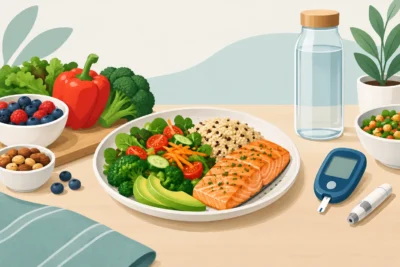
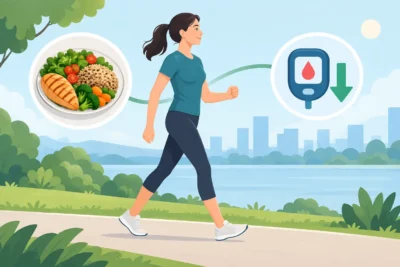
The most effective blood sugar support plan is not hidden in a capsule. It is built into repeatable choices. A 10- to 15-minute walk after meals can help your muscles use glucose. Replacing sweetened drinks with water or unsweetened beverages can quickly reduce a major source of sugar. Building meals around non-starchy vegetables, protein, high-fiber carbohydrates, and healthy fats can make hunger and glucose swings easier to manage.
Weight loss can also improve insulin sensitivity for many people with Type 2 diabetes, even when the change is gradual. You do not need perfection to make progress. A better breakfast, a walk after dinner, and fewer processed snack foods can become powerful when repeated consistently.
If you decide to use a supplement, let it support those actions rather than compete with them. Your meter, your energy level, and your follow-up lab work will tell you far more than a label promise ever can.
The most encouraging path forward is one you can keep doing next week and next month. Use supplements carefully if they fit your care plan, but keep your main focus on the everyday habits that put more control back in your hands.
Important notice: The content of Diabetes Cure Now is solely educational and informational and does not replace the evaluation, diagnosis, or treatment of a doctor or health professional. Before making changes to your diet, exercise, or medication, consult with a qualified professional..
Content reviewed for educational purposes and based on public medical sources.
Sources consulted
- American Diabetes Association (ADA)
- Mayo Clinic
- CDC
- NIH
12 Diabetic Recipes That Keep Meals Balanced
Diabetic Kidney Health Guide for Daily Protection

How to Start Walking With Diabetes Safely

10 Healthy Soups for Diabetics That Satisfy
Do Chia Seeds for Blood Sugar Really Help?

How to Reduce Dawn Phenomenon Naturally
Is Fruit Safe for Diabetes? What to Know
How to Walk After Meals for Better Blood Sugar