
Can Prediabetes Go Away Naturally? Yes, Often


A prediabetes result can feel like a warning siren, especially if diabetes runs in your family. The encouraging news is that can prediabetes go away naturally is often a question with a hopeful answer: many people can return their blood sugar to a normal range through consistent lifestyle changes. Prediabetes is serious, but it is also a powerful opportunity to act before Type 2 diabetes develops.
The goal is not to chase a quick fix, a detox, or one “miracle” food. It is to improve how your body responds to insulin day after day. Small choices around meals, activity, sleep, and weight can add up to meaningful changes in blood sugar.
What you\'ll find in this article?
- Can Prediabetes Go Away Naturally?
- Know the Numbers You Are Working With
- Build Meals That Keep Blood Sugar Steadier
- Move Your Muscles Every Day
- Weight Loss Can Help, but It Is Not the Only Measure of Success
- Sleep and Stress Belong in Your Blood Sugar Plan
- Be Careful With “Natural” Remedies
- Make Your Next Step Specific
Can Prediabetes Go Away Naturally?
Yes, prediabetes can improve naturally, and many people are able to bring their A1C, fasting blood glucose, or oral glucose tolerance test results back below the prediabetes range. Healthcare professionals may call this returning to normal glucose regulation rather than a permanent cure, because blood sugar can rise again if old habits return.
Prediabetes means blood sugar is higher than healthy but not yet high enough for a diabetes diagnosis. It usually develops when the body becomes less responsive to insulin, the hormone that helps move glucose from the bloodstream into cells for energy. The pancreas may compensate for years by producing more insulin, but eventually blood sugar begins to climb.
Lifestyle changes work because they address that insulin resistance directly. Muscle activity helps pull glucose from the blood. Losing excess body fat, especially around the abdomen, can improve insulin sensitivity. Higher-fiber meals tend to slow the rise in blood sugar after eating.

Results vary. Someone whose prediabetes is connected to recent weight gain, inactivity, poor sleep, or a highly processed diet may see substantial improvement. Genetics, age, certain medications, hormonal conditions, and long-standing insulin resistance can make the process more challenging. Even then, lowering blood sugar and reducing the risk of Type 2 diabetes is a meaningful win.
Know the Numbers You Are Working With
Prediabetes is commonly identified with an A1C between 5.7% and 6.4%, a fasting glucose level of 100 to 125 mg/dL, or a two-hour glucose test result of 140 to 199 mg/dL. Your clinician will decide which test makes the most sense for you and may repeat it to confirm the result.
Do not rely only on how you feel. Prediabetes often has no obvious symptoms. Feeling energetic does not necessarily mean blood sugar is in a healthy range, just as fatigue alone does not prove that it is high.
Ask your healthcare provider when to recheck your labs. Many people are tested again in about three to six months after making focused changes. Seeing an A1C or fasting glucose number improve can be motivating, but it also helps you adjust your plan based on real evidence rather than guesswork.
Build Meals That Keep Blood Sugar Steadier
You do not need to eliminate every carbohydrate to improve prediabetes. Carbohydrates are found in nutritious foods such as beans, fruit, oats, and sweet potatoes. The bigger issue is usually the amount, type, and frequency of carbohydrates, especially when they come from sugary drinks, desserts, white bread, chips, and oversized restaurant meals.

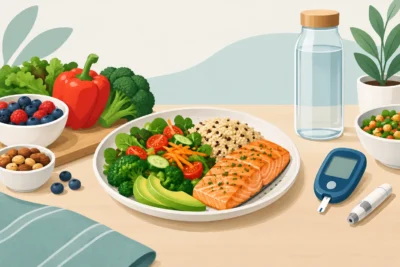
Start by making half your plate non-starchy vegetables when practical. Think broccoli, green beans, salad greens, cauliflower, zucchini, peppers, mushrooms, and asparagus. Add a satisfying protein, such as eggs, fish, chicken, Greek yogurt, tofu, turkey, or beans. Then include a measured portion of high-fiber carbohydrates or healthy fats.
Protein and fiber can make meals more filling and reduce sharp blood sugar swings. For example, a bowl of sweetened cereal may leave you hungry and raise glucose quickly. Eggs with vegetables and a slice of whole-grain toast, or plain Greek yogurt with berries and nuts, is typically a steadier choice.
Liquid sugar deserves special attention. Soda, sweet tea, energy drinks, specialty coffee drinks, and fruit juice can deliver a large glucose load without making you full. Replacing them with water, sparkling water, unsweetened tea, or coffee with minimal added sugar is one of the simplest high-impact changes you can make.
You do not have to eat perfectly to make progress. A realistic pattern you can repeat is more valuable than a strict plan you abandon after two weeks. If you enjoy rice, pasta, tortillas, or potatoes, focus on portion size, add vegetables and protein, and avoid turning one carbohydrate-rich item into the entire meal.
Move Your Muscles Every Day
Physical activity is one of the most direct natural tools for lowering blood sugar. Your muscles use glucose when they work, and regular exercise can make them more responsive to insulin even when you are not exercising.
A practical starting point is a 10- to 15-minute walk after one or two meals each day. Post-meal walking can be especially helpful because it gives your muscles a chance to use some of the glucose entering your bloodstream. If a full walk is not possible, light housework, marching in place, or several trips up and down the stairs can still count.
Work toward at least 150 minutes a week of moderate activity, such as brisk walking, cycling, swimming, or dancing. Add strength training two or three times a week if your body and medical situation allow it. Bodyweight sit-to-stands, resistance bands, light dumbbells, and gardening can all build muscle.
The best exercise is one you will do consistently. A gym membership is not required. Start below your limit, especially if you have joint pain, heart concerns, neuropathy, or have been inactive for a long time. Your clinician can help you choose a safe starting level.
Weight Loss Can Help, but It Is Not the Only Measure of Success
If you are carrying extra weight, losing even 5% to 7% of your starting body weight can significantly reduce the risk of progressing to Type 2 diabetes. For a person who weighs 220 pounds, that is roughly 11 to 15 pounds. It may feel modest, but metabolically, it can matter a great deal.
Still, do not treat the scale as the only scorecard. Better meal quality, more movement, improved sleep, lower triglycerides, a smaller waist measurement, and improved lab values all signal progress. People in smaller bodies can develop prediabetes too, particularly with a strong family history or low muscle mass.
Aim for gradual changes that protect muscle and support long-term habits. Extreme calorie restriction can produce quick weight loss, but it can also lead to hunger, fatigue, muscle loss, and rebound eating. A sustainable routine is more likely to protect your blood sugar for years.
Sleep and Stress Belong in Your Blood Sugar Plan
Poor sleep can increase hunger, cravings, and insulin resistance. Try to keep a regular bedtime, limit late-night heavy meals and alcohol, and create a dark, quiet sleep environment. If you snore loudly, wake up gasping, or feel exhausted despite enough time in bed, ask about sleep apnea. It is common in people with insulin resistance and can interfere with blood sugar improvement.
Stress does not cause prediabetes by itself, but chronic stress can make healthy habits harder and may raise blood sugar through stress hormones. A daily walk, breathing exercises, time outdoors, prayer, journaling, or a short phone-free break can help lower the pressure. Choose a practice that feels calming rather than another item on your to-do list.
Be Careful With “Natural” Remedies
Supplements and herbs are often marketed as blood sugar solutions, but none can replace food habits, activity, sleep, and medical follow-up. Some may interact with medications or cause unwanted effects. Cinnamon, berberine, chromium, and other popular products have mixed research results, and product quality can vary widely.
If you want to try a supplement, discuss it with a pharmacist or healthcare professional first, particularly if you take glucose-lowering medication, blood pressure medication, blood thinners, or have kidney or liver disease. Natural does not automatically mean safe or effective.
Make Your Next Step Specific
Trying to change everything at once can create frustration. Instead, choose one action for this week: walk for 10 minutes after dinner, replace sweet drinks with water, cook breakfast at home, or add vegetables to lunch every day. Once that action feels routine, add another.
Prediabetes is not a personal failure, and it does not have to become your future. Take the result seriously, stay connected with your healthcare provider, and give your body repeated opportunities to respond. The next healthy choice may seem small, but done consistently, it can move your blood sugar in a better direction.
Important notice: The content of Diabetes Cure Now is solely educational and informational and does not replace the evaluation, diagnosis, or treatment of a doctor or health professional. Before making changes to your diet, exercise, or medication, consult with a qualified professional..
Content reviewed for educational purposes and based on public medical sources.
Sources consulted
- American Diabetes Association (ADA)
- Mayo Clinic
- CDC
- NIH
12 Diabetic Recipes That Keep Meals Balanced
Diabetic Kidney Health Guide for Daily Protection
How to Start Walking With Diabetes Safely

10 Healthy Soups for Diabetics That Satisfy
Do Chia Seeds for Blood Sugar Really Help?

How to Reduce Dawn Phenomenon Naturally
Is Fruit Safe for Diabetes? What to Know
How to Walk After Meals for Better Blood Sugar