
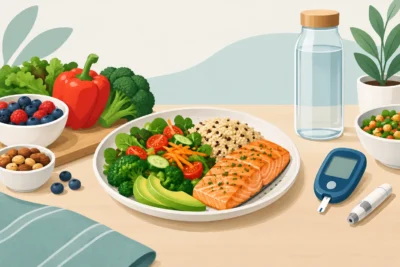
Carb Counting for Beginners Guide


If you have ever looked at a nutrition label, glanced at the carb number, and thought, Now what do I do with this, you are not alone. This carb counting for beginners guide is built for that exact moment - when you want clearer blood sugar control without turning every meal into a math test.
Carb counting sounds technical at first, but the basic idea is simple. Carbohydrates affect blood sugar more directly than protein or fat, so learning how many carbs you eat at meals and snacks can help you stay more steady, avoid big spikes, and make better food choices without feeling lost. For many people with prediabetes or Type 2 diabetes, this one skill creates a real sense of control.
What you\'ll find in this article?
- What carb counting means
- Carb counting for beginners guide: start with total carbs
- Which foods count as carbs?
- How many carbs should you eat?
- A simple way to count carbs at meals
- Why pairing carbs matters
- Using labels, measuring cups, and your glucose meter
- Common mistakes beginners make
- Carb counting for beginners guide: keep it realistic
What carb counting means
Carb counting is the practice of tracking how many grams of carbohydrate are in the foods you eat. That includes obvious sources like bread, pasta, rice, cereal, sweets, and soda, but it also includes fruit, milk, beans, starchy vegetables, and many packaged foods that seem healthy at first glance.
Your body breaks most carbs down into glucose. That is why carbs have the biggest day-to-day impact on your blood sugar. This does not mean carbs are bad or that you need to remove them completely. It means the amount and type of carbs you eat matter.
That point is worth slowing down for. Some people do well with moderate carb intake spread evenly through the day. Others need a lower-carb approach because they are more insulin resistant. Carb counting helps you notice your pattern instead of guessing.

Carb counting for beginners guide: start with total carbs
When you are new to this, focus on total carbohydrates on the nutrition label. You do not need to overcomplicate it by obsessing over every detail on day one.
On most labels, you will see Total Carbohydrate listed in grams. Under that, you may also see fiber, sugar, and added sugar. For blood sugar tracking, total carbohydrate is the main number to start with because it reflects the full carb load in that serving.
For example, if a yogurt says 18 grams of total carbohydrate per serving, count 18 grams. If a slice of bread says 15 grams, count 15 grams. If you eat two slices, that becomes 30 grams.
One common mistake is forgetting serving size. A bag of chips may look like one snack, but the label may list 3 servings. If each serving has 16 grams of carbs and you eat the whole bag, you just had 48 grams. That is how blood sugar can get away from you even when you think you are being careful.
Which foods count as carbs?
This is where beginners often get tripped up. Not every food affects blood sugar the same way, but many foods contain carbs even if they are not sweet.

Foods that usually count as carbohydrates include bread, tortillas, crackers, oats, cereal, rice, pasta, potatoes, corn, peas, beans, lentils, fruit, fruit juice, milk, yogurt, desserts, snack foods, and sugary drinks. Many sauces, dressings, and coffee drinks also add carbs fast.
Foods that are generally very low in carbs include eggs, meat, fish, chicken, turkey, tofu, oils, butter, avocado, nuts, seeds, and most non-starchy vegetables like spinach, broccoli, cucumbers, zucchini, cauliflower, and salad greens.
The gray area is where people need a little judgment. Beans, fruit, and plain yogurt contain carbs, but they also bring fiber, nutrients, and staying power. Cookies, soda, and white bread also contain carbs, but they tend to hit blood sugar faster and offer less nutrition. Carb counting helps with quantity. Better food choices improve quality.
How many carbs should you eat?
There is no single perfect number for everyone. Your ideal carb intake depends on your age, weight, activity level, medications, insulin sensitivity, and blood sugar goals.
That said, many beginners do well starting with a consistent range rather than trying to be perfect. For some adults, 30 to 45 grams of carbs per meal is a practical starting point, with 10 to 20 grams for a snack if needed. Others may need less, especially if they are trying to lose weight or bring down high after-meal readings.
If you take insulin or certain diabetes medications, your needs can be more specific. In that case, carb counting should match your treatment plan. If you are not on those medications, using a moderate and consistent carb target can still make meals much easier to manage.
The key is not to chase someone else’s numbers. Watch how your body responds. If your blood sugar is still spiking after what seems like a reasonable carb amount, you may need to lower the portion, swap the carb source, or add more protein, fiber, or movement.
A simple way to count carbs at meals
You do not need a spreadsheet to begin. Start with the foods you eat most often and learn the approximate carb counts of those items.
A slice of bread is often about 15 grams. One small piece of fruit is usually around 15 grams. Half a cup of cooked rice, pasta, beans, or oatmeal is often around 20 to 25 grams, depending on the food. A cup of milk is about 12 grams. Non-starchy vegetables are usually low enough that many people do not count every gram unless they eat large amounts.
Once you know your usual foods, meal planning gets easier. Two eggs with sauteed vegetables and half an apple will affect blood sugar very differently than a bagel and juice, even if both seem like breakfast. The difference is not just carbs, but how fast they hit your system and how balanced the meal is.
Why pairing carbs matters
Carb counting works better when you stop looking at carbs in isolation. Protein, healthy fat, and fiber can slow digestion and make a meal more stable.
For example, eating fruit by itself may raise your blood sugar faster than eating fruit with Greek yogurt or a handful of nuts. Rice with grilled chicken and vegetables is usually easier on blood sugar than a big bowl of rice alone. This is one of the easiest ways to improve results without feeling deprived.
This is also why two meals with the same carb number may produce different glucose readings. A 30-gram carb meal built around whole foods often behaves differently than a 30-gram meal made of ultra-processed snacks.
Using labels, measuring cups, and your glucose meter
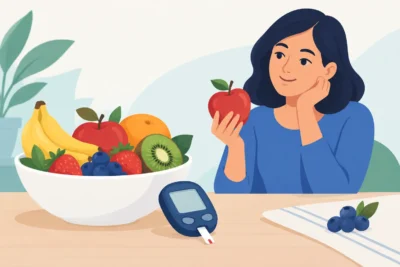
In the beginning, a few simple tools can save you a lot of frustration. Nutrition labels help with packaged foods. Measuring cups or a food scale can teach you what portions actually look like. And if you monitor your blood sugar, your meter gives you real-world feedback.
That feedback matters. Carb counting is not just about numbers on paper. It is about what happens in your body after you eat. Some people tolerate berries well but spike from bananas. Some do fine with black beans but not with white rice. Your meter can teach you what your body handles best.
This is where a natural-first approach becomes powerful. Instead of feeling trapped, you begin to see that food choices, portions, and timing can shift your readings in a meaningful way.
Common mistakes beginners make
The biggest mistake is trying to count carbs while still eating randomly. If every meal is different and portions are all over the place, carb counting feels exhausting. Repeating a few balanced meals each week makes the learning curve much easier.
Another mistake is assuming all “healthy” foods are low carb. Smoothies, granola, dried fruit, and gluten-free snacks can still send blood sugar up quickly. A third mistake is cutting carbs too hard, too fast, then rebounding later with cravings. For many people, steady improvement works better than extreme restriction.
It is also common to ignore drinks. Sweet tea, soda, juice, flavored coffee drinks, and even some protein shakes can carry a surprising carb load. Liquid carbs often raise blood sugar fast because they digest quickly and do not fill you up the same way solid food does.
Carb counting for beginners guide: keep it realistic
The best carb counting plan is the one you can actually live with. If you hate measuring every bite, do it temporarily to build awareness, then shift to familiar portion patterns. If eating out is your challenge, look up typical carb counts for your favorite meals and make a few smarter swaps instead of avoiding restaurants altogether.
You do not need perfect math to improve your blood sugar. You need consistency, a little curiosity, and the willingness to notice what helps. Over time, you will start recognizing carb-heavy meals before they throw you off, and that is when progress begins to feel natural.
At Diabetes Cure Now, we believe better blood sugar starts with practical daily habits, not confusion. Carb counting is one of those habits. Learn the basics, keep meals balanced, and let each small improvement build momentum - because taking control of your health usually starts with understanding what is on your plate.
Important notice: The content of Diabetes Cure Now is solely educational and informational and does not replace the evaluation, diagnosis, or treatment of a doctor or health professional. Before making changes to your diet, exercise, or medication, consult with a qualified professional..
Content reviewed for educational purposes and based on public medical sources.
Sources consulted
- American Diabetes Association (ADA)
- Mayo Clinic
- CDC
- NIH
12 Diabetic Recipes That Keep Meals Balanced
Diabetic Kidney Health Guide for Daily Protection

How to Start Walking With Diabetes Safely
10 Healthy Soups for Diabetics That Satisfy
Do Chia Seeds for Blood Sugar Really Help?

How to Reduce Dawn Phenomenon Naturally
Is Fruit Safe for Diabetes? What to Know

How to Walk After Meals for Better Blood Sugar