
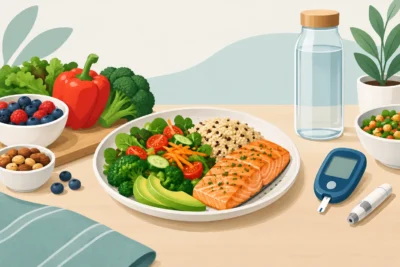
8 Diabetes Friendly Smoothie Recipes That Steady Blood Sugar


A smoothie can either give you a convenient, filling breakfast or send your blood sugar climbing before you have finished your morning coffee. The difference is not the blender. It is what goes into it. These diabetes friendly smoothie recipes use measured fruit, protein, fiber, and healthy fat to help you stay satisfied and support steadier glucose levels.
Many store-bought smoothies and popular online recipes are built around fruit juice, sweetened yogurt, honey, dates, or oversized servings of tropical fruit. They may sound healthy, but they can deliver more sugar than a can of soda. You do not need to give up smoothies to take control of Type 2 diabetes or prediabetes. You need a better formula.
What you\'ll find in this article?
What Makes a Smoothie Better for Blood Sugar?
A blood-sugar-friendly smoothie is not a glass of fruit. It is a balanced meal or snack that happens to be blended. The goal is to slow digestion and avoid a rapid glucose rise.
Start with a protein source such as plain Greek yogurt, unsweetened protein powder, cottage cheese, or silken tofu. Add fiber-rich ingredients like berries, leafy greens, chia seeds, flaxseed, or avocado. Then use a small amount of fruit for flavor rather than making fruit the main event. Unsweetened almond milk, dairy milk, or water works better than juice.
Portion size still matters. Even a smoothie made with whole foods contains carbohydrates, and your personal response can vary based on medication, activity, sleep, and what you ate earlier. If you monitor glucose at home, check your level before drinking a new smoothie and again about two hours later. That feedback can help you find the ingredients and serving size that work best for your body.

8 Diabetes Friendly Smoothie Recipes to Try
Each recipe makes one meal-size smoothie. Blend until smooth, adding ice or extra unsweetened liquid if needed. Choose plain, unsweetened versions of yogurt, milk alternatives, and protein powder.
1. Berry Greek Yogurt Breakfast Smoothie
Blend 3/4 cup plain Greek yogurt, 1/2 cup frozen mixed berries, 1 tablespoon chia seeds, 1 tablespoon natural peanut butter, 1 cup unsweetened almond milk, and a handful of ice. Cinnamon and a few drops of vanilla extract add flavor without added sugar.
Berries provide a sweeter taste with less sugar than many other fruits, while Greek yogurt and peanut butter make this smoothie more satisfying. If peanut butter is not your preference, use almond butter or sunflower seed butter.
2. Green Avocado Protein Smoothie
Blend 1 cup unsweetened almond milk, 1 cup spinach, 1/4 avocado, 1/2 cup cucumber, 1/2 cup frozen strawberries, 1 scoop unsweetened or low-sugar protein powder, and 1 tablespoon ground flaxseed.
This is a smart choice for people who want a less sweet smoothie. Avocado and flaxseed add healthy fats and fiber, while the strawberries keep the flavor fresh without turning the drink into a high-sugar fruit blend.

3. Chocolate Peanut Butter Smoothie
Blend 1 cup unsweetened dairy or almond milk, 3/4 cup plain Greek yogurt, 1 tablespoon unsweetened cocoa powder, 1 tablespoon natural peanut butter, 1 tablespoon chia seeds, and ice. If you need more sweetness, add 1/4 cup frozen raspberries rather than a spoonful of honey.
Unsweetened cocoa gives this recipe a rich dessert-like flavor. Read labels carefully on cocoa mixes and flavored protein powders, since many contain added sugar or sugar alcohols that can cause digestive discomfort for some people.
4. Cinnamon Apple Pie Smoothie
Blend 1/2 small apple with the peel on, 3/4 cup plain Greek yogurt, 1 tablespoon almond butter, 1 tablespoon ground flaxseed, 3/4 cup unsweetened milk, cinnamon, and ice.
Apples can fit into a diabetes-friendly eating plan, especially when their fiber-rich peel stays on. The key is using half of a small apple, not several apples or apple juice. The yogurt, nut butter, and flax help turn this into a balanced breakfast.
5. Strawberry Cottage Cheese Smoothie
Blend 1/2 cup low-fat cottage cheese, 1/2 cup frozen strawberries, 1 tablespoon chia seeds, 1 tablespoon almond butter, 3/4 cup unsweetened almond milk, and ice. Add vanilla extract or cinnamon if desired.
Cottage cheese may sound unusual in a smoothie, but it creates a thick, creamy texture and brings substantial protein. Choose a lower-sodium variety if you are also working on blood pressure control.
6. Blueberry Oat Fiber Smoothie
Blend 1/2 cup frozen blueberries, 1/3 cup plain Greek yogurt, 2 tablespoons old-fashioned rolled oats, 1 tablespoon ground flaxseed, 1 tablespoon walnut pieces, 1 cup unsweetened milk, and ice.
The oats add a familiar breakfast flavor and extra soluble fiber. Keep the portion modest because oats do contain carbohydrates. This smoothie may work especially well after a morning walk, when your muscles are more ready to use glucose for energy.
7. Tropical-Inspired Tofu Smoothie
Blend 1/2 cup silken tofu, 1/3 cup frozen mango, 1/3 cup frozen pineapple, 1 cup spinach, 1 tablespoon chia seeds, 1 cup unsweetened coconut or almond milk, lime juice, and ice.
Mango and pineapple are higher in natural sugar than berries, so this recipe uses smaller portions. The tofu and chia seeds are not optional here. They help make a tropical-style smoothie more balanced and filling. If you notice higher readings after this recipe, swap one of the tropical fruits for berries.
8. Coffee Protein Smoothie
Blend 1/2 cup chilled unsweetened coffee, 1/2 cup unsweetened milk, 3/4 cup plain Greek yogurt, 1 tablespoon natural peanut or almond butter, 1 tablespoon ground flaxseed, a pinch of cinnamon, and ice. For a little fruit flavor, add 1/4 cup frozen berries.
This recipe can replace a rushed breakfast, but caffeine affects blood sugar differently from person to person. Some people see a temporary rise in glucose after coffee, especially when stressed or drinking it on an empty stomach. Pay attention to your own readings.
Common Smoothie Ingredients That Can Raise Blood Sugar Fast
The healthiest-looking ingredient is not always the best choice. Fruit juice, coconut water, sweetened plant milk, flavored yogurt, honey, agave, maple syrup, dates, and large bananas can quickly raise the carbohydrate count.
You do not have to treat these foods as forbidden forever. A half banana, for example, may fit well for an active person who pairs it with protein and fiber. But if your goal is more stable glucose, use these ingredients intentionally instead of automatically adding them because a recipe calls for them.
Also watch packaged protein powders. Some contain 15 to 25 grams of added sugar per scoop. Look at the Nutrition Facts label, not just claims like “natural,” “meal replacement,” or “plant-based.” A powder with adequate protein and little or no added sugar is usually the better fit.
How to Build Your Own Smoothie Without Guesswork
Use this simple structure: choose one protein, one fiber source, one healthy fat, one or two handfuls of nonstarchy vegetables, and no more than about 1/2 cup fruit. Add unsweetened liquid and ice until it reaches the texture you enjoy.
For example, plain Greek yogurt, spinach, blueberries, chia seeds, and almond milk meet every part of that formula. So do silken tofu, kale, raspberries, avocado, and water. Once you learn the pattern, you can create variety without relying on sugary recipes.
If a smoothie leaves you hungry within an hour, it probably needs more protein, fiber, or fat. If it makes you feel overly full or causes digestive upset, reduce the seed portions or use less total volume. Small adjustments are more sustainable than trying to follow a rigid plan.
A Smart Note About Medication and Timing
If you take insulin or medications that can lower blood sugar, such as a sulfonylurea, do not skip meals or dramatically cut carbohydrates without speaking with your clinician. A lower-sugar smoothie may change how much medication you need, particularly if you are also losing weight and becoming more active.
Use these recipes as a practical tool, not a cure-all. Pair them with regular movement, adequate sleep, vegetables, protein-rich meals, and consistent medical care. The most helpful smoothie is the one that tastes good enough to repeat, keeps you full, and supports the blood sugar goals you are working toward one morning at a time.
Important notice: The content of Diabetes Cure Now is solely educational and informational and does not replace the evaluation, diagnosis, or treatment of a doctor or health professional. Before making changes to your diet, exercise, or medication, consult with a qualified professional..
Content reviewed for educational purposes and based on public medical sources.
Sources consulted
- American Diabetes Association (ADA)
- Mayo Clinic
- CDC
- NIH
12 Diabetic Recipes That Keep Meals Balanced
Diabetic Kidney Health Guide for Daily Protection

How to Start Walking With Diabetes Safely
10 Healthy Soups for Diabetics That Satisfy
Do Chia Seeds for Blood Sugar Really Help?

How to Reduce Dawn Phenomenon Naturally
Is Fruit Safe for Diabetes? What to Know
How to Walk After Meals for Better Blood Sugar