
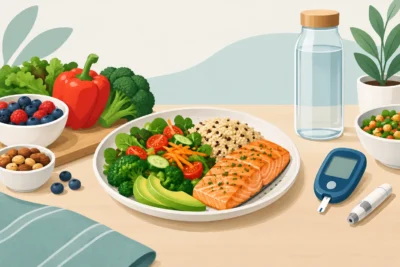
Diabetes Reversal Programs Review for 2026


A good diabetes reversal programs review should do more than promise lower numbers. It should help you tell the difference between a program that builds real daily habits and one that sells hope without enough support. For many people with Type 2 diabetes or prediabetes, lifestyle changes can improve blood sugar dramatically. But the right plan is not necessarily the strictest, most expensive, or most heavily advertised one.
The goal is usually Type 2 diabetes remission, meaning blood sugar reaches a non-diabetes range without glucose-lowering medication for a period of time. That is encouraging, but it is not the same as a permanent cure. Blood sugar can rise again if weight returns, activity falls, stress builds, or old eating patterns return. A worthwhile program prepares you for that reality instead of making impossible promises.
What you\'ll find in this article?
What Diabetes Reversal Programs Are Trying to Do
Most programs aim to improve insulin sensitivity and reduce the amount of fat stored in the liver and pancreas. They may do this through weight loss, lower-carbohydrate eating, calorie reduction, regular movement, better sleep, stress management, or some combination of these strategies.
The basic idea is sound: when the body becomes more responsive to insulin, it can often manage glucose more effectively. Losing even a modest amount of weight can make a measurable difference for many adults with Type 2 diabetes. Yet the method matters because the best results come from habits you can continue after the initial motivation fades.
Some programs use a low-carb or ketogenic approach. Others focus on a Mediterranean-style eating pattern, portion control, plant-forward meals, meal replacements, intermittent fasting, or medically supervised low-calorie plans. There is no single eating style that works for every person. The best fit depends on your medications, health history, food preferences, budget, cooking ability, and how your body responds.

Diabetes Reversal Programs Review: What to Look For
When comparing programs, look past the headline claim. A program deserves attention when it clearly explains what you will eat, how progress is measured, what coaching is included, and what happens when you hit a setback.
A quality plan should teach practical food skills rather than simply hand you a restrictive menu. Can you use the guidance at a restaurant? Does it explain how to build a breakfast that will not send your glucose soaring? Does it help you shop, cook, and handle family meals? Those details determine whether a program becomes a lifestyle or another short-lived diet.
Coaching can be valuable, especially for people who feel stuck after years of trying to lose weight or control cravings. Regular check-ins create accountability and allow adjustments when blood sugar readings, hunger, sleep, or medication needs change. Still, coaching is only worth paying for if the coach is appropriately qualified and the program does not discourage medical care.
Tracking is another major feature. The strongest programs encourage participants to monitor more than body weight. Fasting glucose, post-meal readings, A1C results, waist measurement, energy, sleep, and activity can show whether the plan is actually helping. If a program sells a wearable monitor or app, ask whether the tool supports better decisions or simply adds another monthly charge.
Signs a Program May Be Worth Your Money
Programs vary widely in price and quality, but several features tend to separate useful support from marketing fluff:

- A clear food framework built around minimally processed foods, adequate protein, fiber-rich vegetables, and realistic portions.
- Guidance for physical activity that starts at your current ability level rather than demanding intense workouts immediately.
- A plan for maintaining results after the first phase, including how to handle holidays, travel, stress, and weight regain.
- Transparent pricing, cancellation terms, and a clear explanation of what coaching, testing, meal products, or app access costs extra.
- A strong recommendation to work with your doctor or diabetes care team when medications may need adjustment.
You do not need a fancy app, supplements, or costly packaged foods to improve blood sugar. Some people benefit from the structure these tools provide, while others do just as well with a simple meal plan, a walking routine, a glucose meter, and consistent support from their healthcare team.
Red Flags to Take Seriously
Be cautious when a program uses the word “cure” as a guarantee. Type 2 diabetes can improve significantly, and remission is possible for some people, but no honest program can predict the same outcome for everyone. Your starting A1C, duration of diabetes, current weight, pancreatic insulin production, medications, and other medical conditions all affect results.
Avoid programs that tell you to stop medication on your own. This is especially important if you take insulin or medications that can cause low blood sugar, such as sulfonylureas. A lower-carb diet, fasting schedule, or rapid calorie reduction can lower glucose quickly. That may sound like good news, but it can also lead to dangerous hypoglycemia if medication is not adjusted by a clinician.
Another warning sign is a program built mainly around supplements, detoxes, or secret ingredients. Certain supplements may support general nutrition, but they do not replace changes in food intake, movement, sleep, and weight management. Be skeptical of before-and-after stories that show only a glucose number without explaining medication changes, time frame, or long-term follow-up.
Compare the Main Program Styles
Low-carb programs can lower post-meal glucose quickly because they reduce the carbohydrate load entering the bloodstream. They may be a good option if bread, sweets, sugary drinks, pasta, and snack foods are major trouble spots. The trade-off is that very restrictive plans can be difficult to sustain, and some people need help getting enough fiber, vegetables, and variety.
Mediterranean-style programs are often easier to maintain long term. They emphasize vegetables, beans, fish, poultry, olive oil, nuts, and high-fiber carbohydrates in sensible portions. Blood sugar improvement may feel less dramatic at first than with a strict low-carb plan, but this approach can be highly effective when it supports steady weight loss and consistent meals.
Very-low-calorie programs may lead to rapid weight loss and can help some people reach remission, particularly earlier in the course of Type 2 diabetes. They should not be treated as a do-it-yourself challenge. Medical monitoring is important because rapid changes in food intake can affect medications, blood pressure, gallstones, and nutritional needs.
Digital coaching programs can offer convenience, meal education, community support, and data tracking from home. They are a reasonable choice for someone who wants structure but cannot attend frequent in-person appointments. Before enrolling, check whether you can speak with a real coach, whether medical professionals are available when needed, and whether the plan is designed for long-term maintenance.
Questions to Ask Before You Enroll
Start by asking what a typical week looks like. If the answer is vague, the program may be more sales pitch than plan. You should understand the daily food expectations, time commitment, exercise recommendations, support schedule, and full cost before entering your payment information.
Ask how the program handles medications and whether it communicates with your physician. Also ask what results are realistic after three, six, and 12 months. A trustworthy company will talk about progress, not miracles. It should acknowledge that A1C testing, regular appointments, and personal adjustments remain part of responsible diabetes care.
If you have kidney disease, heart disease, a history of eating disorders, are pregnant, or take insulin, seek individualized medical guidance before making major dietary changes. The same caution applies if you have unexplained weight loss, frequent low blood sugar, or symptoms of very high glucose such as excessive thirst, urination, vomiting, or confusion.
Build a Stronger Foundation, With or Without a Program
The most effective program is the one that helps you repeat the basics consistently. Build meals around non-starchy vegetables, protein, and healthy fats, then choose carbohydrate portions that work with your glucose goals. Replace sugary drinks with water or unsweetened beverages. Walk after meals when possible, even if you begin with 10 minutes. Strength training two or three times a week can also help muscles use glucose more efficiently.
Use your blood sugar readings as feedback, not as a reason to feel guilty. A high reading is useful information: it may point to a food portion, a poor night of sleep, stress, illness, or a need to discuss medication with your doctor. Small corrections, repeated often, are more powerful than one perfect week followed by burnout.
The right program should make you feel informed and capable, not frightened or dependent. Choose support that helps you create meals, movement routines, and monitoring habits you can live with for years. That is where meaningful blood sugar improvement begins.
Important notice: The content of Diabetes Cure Now is solely educational and informational and does not replace the evaluation, diagnosis, or treatment of a doctor or health professional. Before making changes to your diet, exercise, or medication, consult with a qualified professional..
Content reviewed for educational purposes and based on public medical sources.
Sources consulted
- American Diabetes Association (ADA)
- Mayo Clinic
- CDC
- NIH
12 Diabetic Recipes That Keep Meals Balanced
Diabetic Kidney Health Guide for Daily Protection
How to Start Walking With Diabetes Safely
10 Healthy Soups for Diabetics That Satisfy
Do Chia Seeds for Blood Sugar Really Help?

How to Reduce Dawn Phenomenon Naturally
Is Fruit Safe for Diabetes? What to Know
How to Walk After Meals for Better Blood Sugar